
As we move through 2026, the smartphone landscape has been fundamentally reshaped by a single, powerful shift: the integration of generative intelligence directly into our pockets. For years, the iPhone was seen as a premium piece of hardware, but with the full rollout of Apple Intelligence, it has evolved into a proactive, context-aware companion. This transition marks the most significant change to the iOS ecosystem since the introduction of the App Store, turning the device from a tool you use into an assistant that works for you.
The Core of Apple Intelligence
Apple Intelligence is not just a collection of chatbots; it is a system-wide architecture designed to understand personal context while maintaining a strict commitment to privacy. Unlike cloud-heavy alternatives, Apple’s approach prioritizes on-device processing. This means that when you ask your phone to summarize a long thread of emails or create a custom "Genmoji" for a friend, the heavy lifting is largely done by the silicon in your hand.
The features are vast and deeply integrated. Writing Tools now allow users to rewrite, proofread, and summarize text across almost any app, from Mail to third-party messaging platforms. The "Clean Up" tool in Photos has become a staple for mobile photographers, allowing for the seamless removal of background distractions with a single tap. These innovations have made the latest hardware more desirable than ever, particularly for those looking for a premium experience at a better price point through a second hand iphone in india.
Siri’s Transformation into a Personal Assistant
For a long time, Siri was limited by basic voice commands and simple web searches. In the AI age, Siri has undergone a total metamorphosis. Thanks to richer language-understanding capabilities, the assistant can now follow along even if you stumble over your words or change your mind mid-sentence.
One of the most impressive additions is "on-screen awareness." Siri can now understand what you are looking at and take actions based on that content. If a friend texts you an address, you can simply say, "Add this to my contact card," and Siri will know exactly which address and which contact you are referring to. This level of semantic intelligence requires significant neural processing power, which is why hardware efficiency has become the new benchmark for smartphone value.
Visual Intelligence and Real-World Interaction
The introduction of Visual Intelligence has changed how users interact with their physical surroundings. By using the Camera Control on newer models, users can instantly identify objects, translate signs in real-time, or even pull up the menu and reviews for a restaurant just by pointing the lens at the storefront.
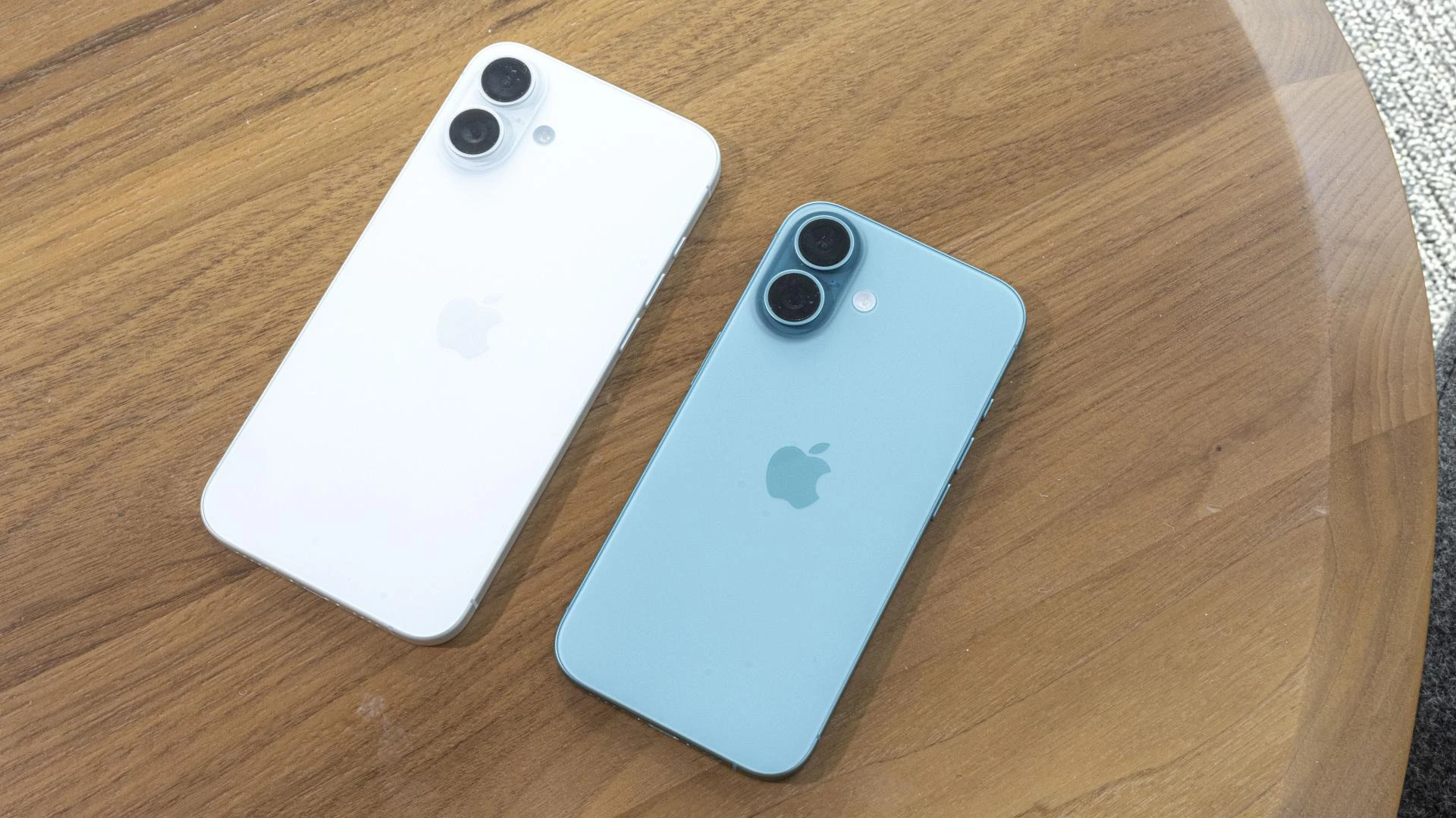
This feature bridges the gap between the digital and physical worlds. Whether it’s scanning a flyer to add an event to your calendar or identifying a rare breed of dog in the park, the iPhone now acts as a digital layer over reality. For savvy shoppers, getting this level of technology doesn't always require a brand-new retail price tag; many are finding that a iphone 16 pro refurbished offers the perfect balance of cutting-edge AI capability and smart financial value.
Privacy in the Age of Generative AI
A major concern with the rise of AI is the handling of personal data. Apple has addressed this through "Private Cloud Compute." When a task is too complex for on-device processing, the iPhone sends only the necessary data to Apple-silicon-powered servers. Crucially, this data is never stored or made accessible to Apple, and independent experts can verify this privacy promise through the code.
This "privacy-first" AI model is a key reason why EasyPhones has seen a surge in interest for AI-capable devices. Users want the benefits of a smarter phone without the feeling that their personal lives are being harvested for data. By keeping the most sensitive computations local, the iPhone ensures that your "personal" assistant stays truly personal.
The Future of the AI Ecosystem
As we look toward the later half of 2026, the ecosystem is expanding. We are seeing the rollout of "Priority Notifications," which use AI to understand which alerts are actually urgent (like a text about a flight delay) and which can wait (like a social media like). This "Reduce Interruptions" focus mode helps users reclaim their attention in an increasingly noisy digital world.
The democratization of these features is also well underway. While these tools were once exclusive to the most expensive flagship models, they are now becoming the standard across the lineup. This shift has made high-performance devices more accessible to a wider audience, as the software experience is now as much a part of the "Pro" label as the camera lenses or the titanium frame.
Why the AI Age Matters for Every User
The transition into the AI age isn't just for tech enthusiasts; it’s for anyone who wants to save time. Whether it’s the ability to record and transcribe a lecture directly into the Notes app or the "Image Wand" turning a rough sketch into a polished illustration, these tools are designed for daily utility.
Apple Intelligence has effectively lowered the "skill ceiling" for complex tasks. You no longer need to be a professional editor to polish a formal email or a Photoshop expert to fix a family photo. The iPhone handles the complexity, leaving you with the results. As Apple continues to refine these models, the gap between what we want to do and what our devices can do for us will only continue to shrink.























Sign in to leave a comment.