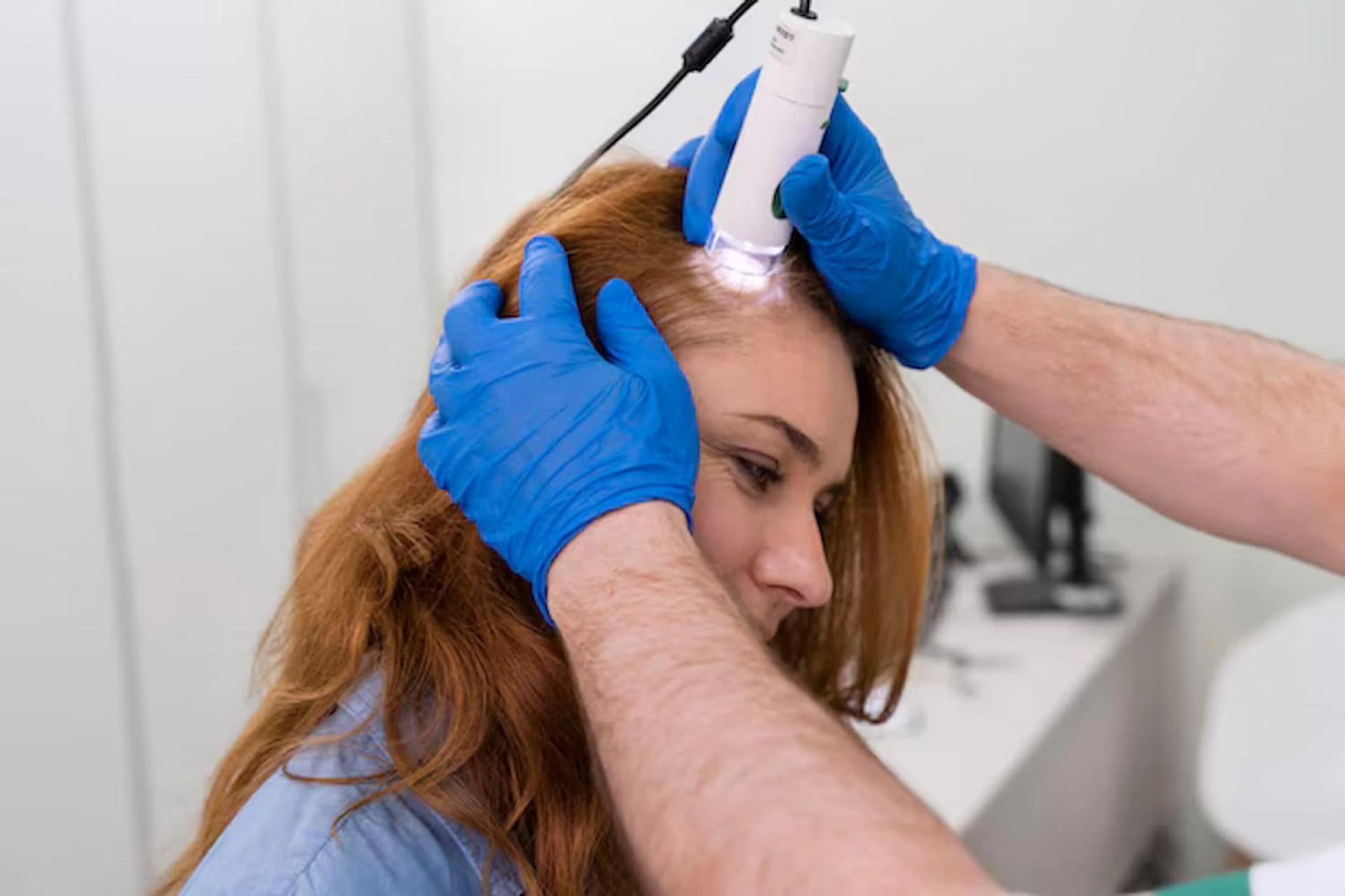

Hair loss is a common concern that affects confidence, self image, and overall wellbeing. With advancements in hair restoration technology, individuals now have more options than ever before to address thinning hair and baldness. One of the most talked about innovations in recent years is the DHI robotic hair transplant. As awareness grows, many people considering hair restoration ask the same question: is a DHI robotic hair transplant worth it?
This article provides a detailed and balanced exploration of the DHI robotic hair transplant. It explains how the procedure works, what benefits it offers, what limitations to consider, and who may be an ideal candidate. The aim is to help readers make informed decisions based on facts, expectations, and long term goals.
Understanding Hair Loss and Modern Restoration Options
Hair loss can occur for many reasons, including genetics, hormonal changes, ageing, stress, and medical conditions. The most common form is androgenetic alopecia, which affects both men and women and typically progresses over time.
Why Hair Loss Treatment Has Evolved
Traditional treatments such as topical products and oral medications can help slow hair loss or improve hair quality, but they often cannot restore hair in areas where follicles are no longer active. This has led to the development of surgical hair restoration methods that move healthy follicles from donor areas to thinning or bald regions.
As demand for natural looking and long lasting results has increased, technology has played a greater role in improving precision, consistency, and outcomes. The DHI robotic hair transplant is a result of this evolution.
What Is a DHI Robotic Hair Transplant
DHI stands for Direct Hair Implantation. It is a technique that involves extracting individual hair follicles and implanting them directly into the recipient area using specialised instruments. When combined with robotic technology, the process is enhanced by advanced imaging and automated assistance.
The Role of Robotics in Hair Transplantation
Robotic systems are designed to assist with the identification, extraction, and sometimes placement of hair follicles. These systems use detailed imaging to analyse the scalp, assess follicle quality, and maintain consistent angles and depth during extraction.
In a DHI robotic hair transplant, robotics support the precision of the procedure, while trained professionals oversee planning, decision making, and implantation to ensure natural results.
Key Characteristics of the Procedure
The DHI robotic hair transplant focuses on precision, minimal handling of grafts, and direct placement into the scalp. Unlike older methods that require creating incisions before implantation, this approach allows follicles to be implanted immediately after extraction.
This streamlined process aims to reduce trauma to the scalp and support healthy graft survival.
How a DHI Robotic Hair Transplant Works
Understanding the steps involved helps clarify what makes this method unique and whether it aligns with individual expectations.
Consultation and Assessment
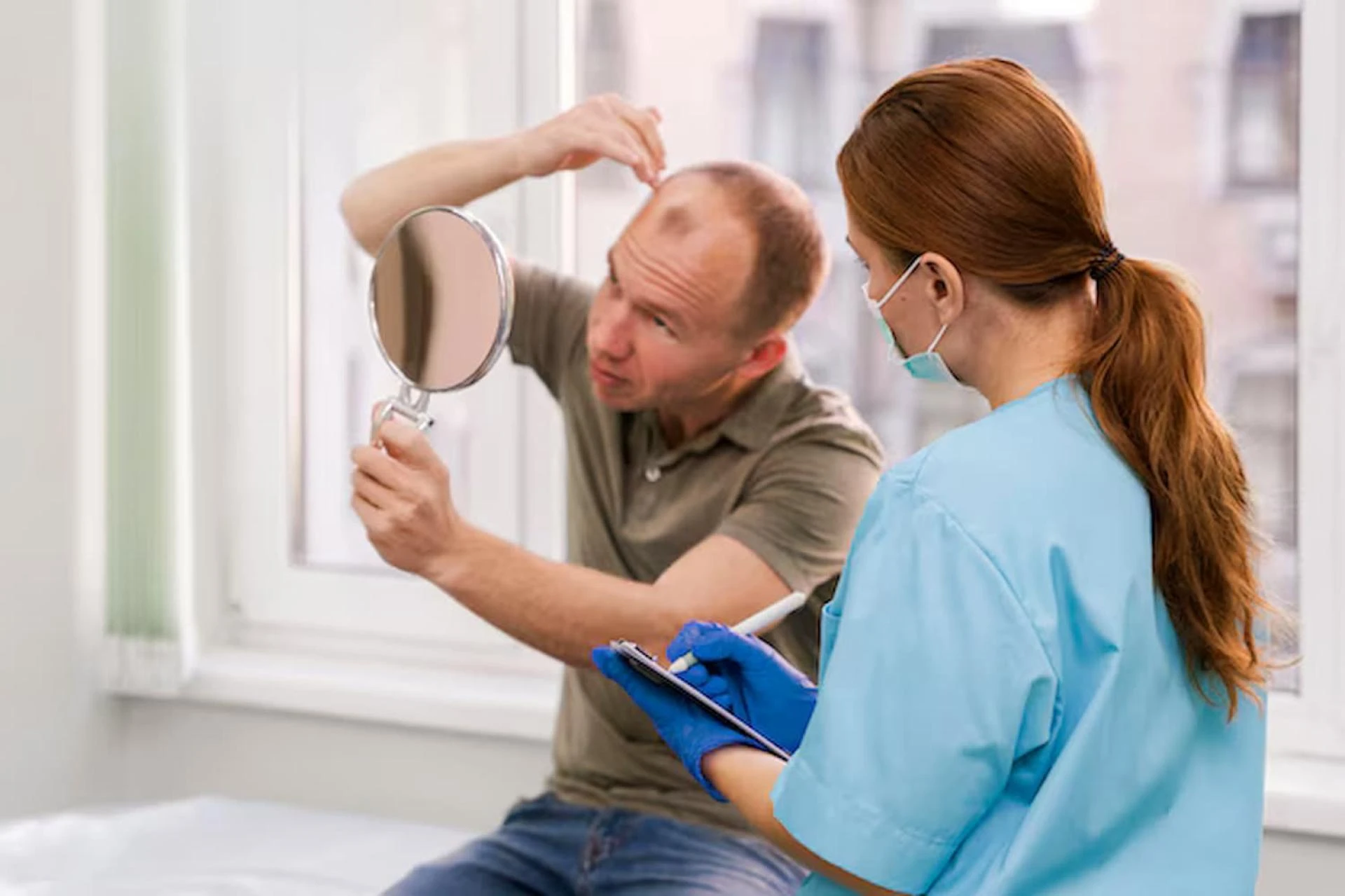
The process begins with a detailed consultation. Hair loss pattern, donor hair availability, scalp condition, and medical history are carefully assessed. Clear communication about goals and realistic outcomes is essential at this stage.
Advanced imaging tools may be used to map the scalp and plan follicle placement with accuracy.
Donor Hair Extraction
Hair follicles are typically taken from the back or sides of the scalp, where hair is genetically resistant to thinning. Robotic assistance helps identify the healthiest follicles and extract them with consistent technique.
This precision may help reduce damage to surrounding follicles and preserve donor area density.
Direct Hair Implantation
Once extracted, follicles are implanted directly into the target area using specialised instruments. Each follicle is placed at a specific angle, direction, and depth to match natural hair growth patterns.
This level of control is particularly important for creating natural hairlines and achieving uniform density.
Benefits of DHI Robotic Hair Transplant
There are several reasons why people are drawn to this advanced method of hair restoration.
Enhanced Precision and Natural Appearance
The combination of robotics and direct implantation allows for accurate follicle placement. This can result in a more natural looking hairline and better blending with existing hair.
Precision is especially valuable in visible areas such as the front hairline and temples.
Potential for Improved Graft Survival
Because follicles are handled carefully and implanted promptly, there may be a higher chance of graft survival. Reduced time outside the body helps maintain follicle viability.
Robotic selection of healthy follicles can also contribute to more consistent outcomes.
Reduced Scalp Trauma
The direct implantation method avoids creating multiple incisions in advance. This may reduce trauma to the scalp and lead to a more comfortable recovery experience for some individuals.
Less trauma can also support faster healing and reduced swelling.
Consistency During Large Sessions
Hair transplant procedures can involve hundreds or thousands of grafts. Robotic assistance helps maintain consistency throughout long sessions, reducing the impact of human fatigue on precision.
Limitations and Important Considerations
While the DHI robotic hair transplant offers many advantages, it is important to consider potential limitations.
Not Suitable for Everyone
Not all individuals are ideal candidates. Suitability depends on donor hair quality, scalp characteristics, extent of hair loss, and overall health. Some hair loss patterns may respond better to alternative techniques.
A thorough assessment is essential before proceeding.
Higher Cost Compared to Traditional Methods
Advanced technology and specialised expertise often result in higher costs. Individuals should consider whether the potential benefits justify the financial investment based on their goals and expectations.
Results Still Depend on Biology
Technology can enhance precision, but it cannot change individual biological factors. Hair growth rate, density, and final appearance vary from person to person.
Patience is required, as full results can take many months to develop.
Comparing DHI Robotic Hair Transplant With Other Techniques
To determine whether a DHI robotic hair transplant is worth it, comparison with other methods is helpful.
Manual Follicular Unit Extraction
Manual follicular unit extraction involves removing individual follicles by hand. Skilled practitioners can achieve excellent results, but outcomes depend heavily on experience and consistency.
Robotic assistance aims to reduce variability and support precision, particularly in large sessions.
Follicular Unit Transplantation
This older method involves removing a strip of scalp tissue and dividing it into grafts. While effective in some cases, it leaves a linear scar and often requires longer recovery.
DHI robotic hair transplant techniques avoid strip removal and focus on individual follicles.
Manual DHI Without Robotics
Direct implantation can also be performed manually. Robotic support adds data driven analysis and consistency, but professional expertise remains critical in both approaches.
Recovery and Aftercare Expectations
Understanding recovery helps individuals prepare for the post treatment phase.
Immediate Recovery Period
After the procedure, mild redness, swelling, and small scabs are common. These effects are temporary and part of the natural healing process.
Most individuals can return to normal daily activities within a short period, following professional guidance.
Hair Growth Timeline
Transplanted hair typically sheds within the first few weeks, which is a normal stage. New growth usually begins after several months, with noticeable improvements developing over time.
Final results are often visible within nine to twelve months.
Long Term Maintenance
Maintaining healthy hair involves proper scalp care, balanced nutrition, and sometimes supportive treatments. Follow up appointments help monitor progress and address any concerns.
Factors That Influence Overall Success
Several elements play a role in determining the success of a DHI robotic hair transplant.
Donor Hair Quality
Strong and healthy donor hair is essential for good results. The number of available follicles limits the extent of restoration possible.
Professional Skill and Planning
Technology supports precision, but the skill of the professionals performing the procedure remains crucial. Careful planning, artistic judgement, and experience influence final outcomes.
Lifestyle and Health
General health, stress levels, and lifestyle habits can affect healing and hair growth. Individuals who prioritise wellbeing often experience better overall results.
Is a DHI Robotic Hair Transplant Worth It
The value of a DHI robotic hair transplant depends on individual priorities. For those seeking advanced technology, high precision, and natural looking results, it may be a worthwhile investment.
When It May Be the Right Choice
This approach may be particularly beneficial for individuals with complex hairlines, those who value detailed planning, or those who prefer minimally invasive techniques with modern technology support.
Key Points to Consider Before Deciding
A thorough consultation, realistic expectations, and understanding of costs are essential. Exploring alternative methods and discussing goals openly helps ensure the chosen approach aligns with personal needs.
Conclusion
A DHI robotic hair transplant represents a modern and technologically advanced approach to hair restoration. By combining robotic precision with direct implantation, it offers potential benefits in accuracy, graft survival, and natural appearance.
However, it is not a universal solution. Suitability, cost, and individual biological factors must be carefully considered. For many people, the procedure is worth it when aligned with clear goals, professional guidance, and realistic expectations.
Ultimately, deciding whether a DHI robotic hair transplant is worth it requires thoughtful evaluation, expert consultation, and a long term view of hair health and confidence.

























Sign in to leave a comment.