

Is Passwordless Authentication Safe? SSO & CJIS Audit Insights
Here is the answer for is passwordless authentication safe
As cybersecurity threats continue to evolve, organizations are increasingly looking for ways to enhance their authentication methods to protect sensitive data. One such solution gaining popularity is passwordless authentication. Paired with Single Sign-On (SSO) systems, passwordless authentication offers the promise of more secure and streamlined access to applications and systems. But is it truly safe? Let’s explore passwordless authentication, its benefits, and its implications, particularly in the context of Single Sign-On (SSO) and CJIS audits.
What is Passwordless Authentication?
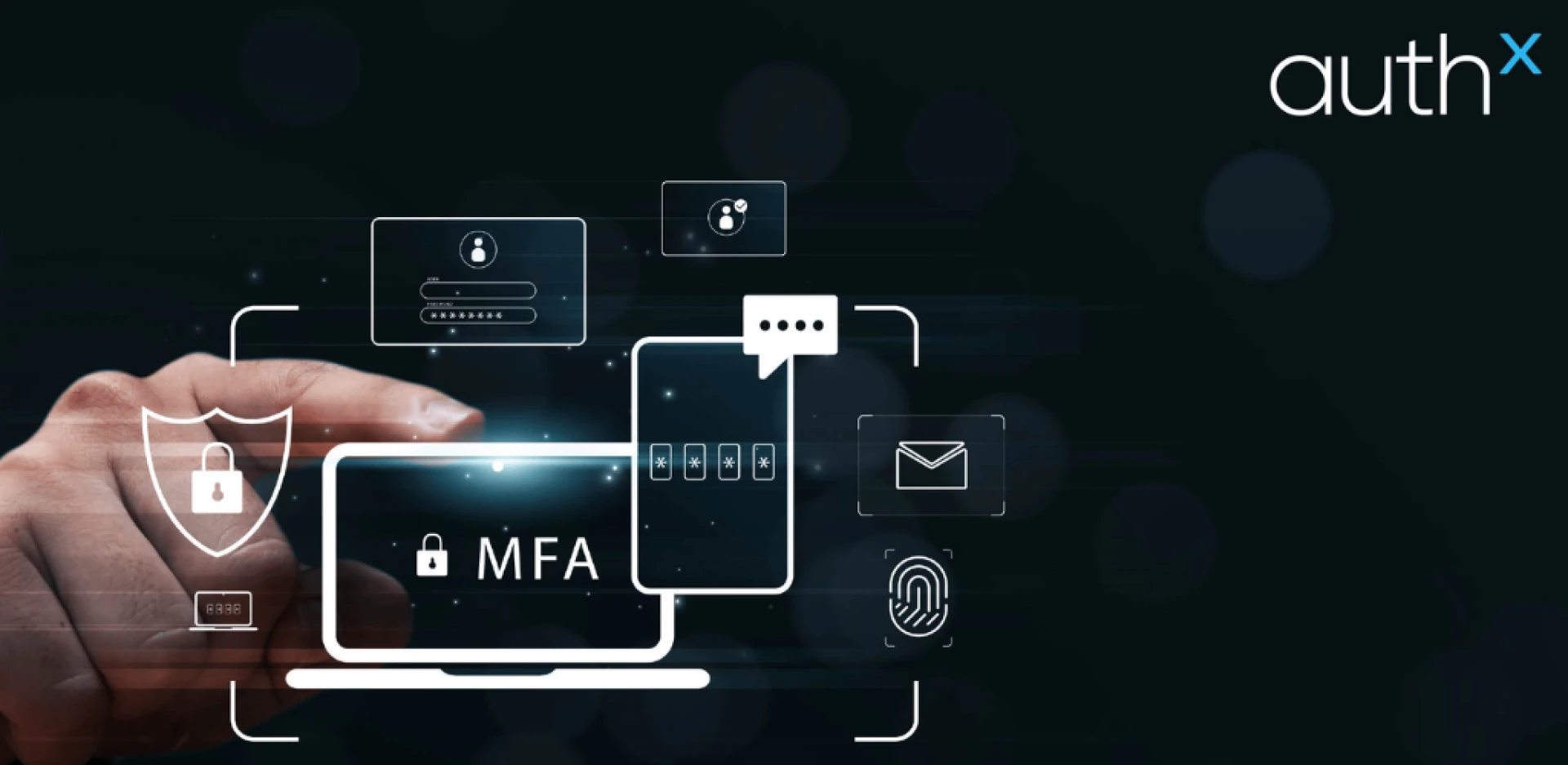
Passwordless authentication is an approach to user verification that eliminates the need for traditional passwords. Instead of relying on something users know (a password), passwordless systems leverage something the user has (like a smartphone or security key) or something they are (biometric authentication like fingerprints or facial recognition). Examples of passwordless methods include:
- Biometrics: Fingerprints, facial recognition, or iris scans.
- One-Time Passcodes (OTP): Sent to a user’s phone or email.
- Security Keys: Hardware devices that generate unique codes.
- Push Notifications: Authentication via an app like Microsoft Authenticator or Google Authenticator.
Is Passwordless Authentication Safe?
In terms of security, passwordless authentication is generally considered safer than traditional password methods. Passwords, especially weak ones or reused across multiple sites, are prime targets for cybercriminals. A compromised password can lead to account breaches, identity theft, or unauthorized access to sensitive information. Passwordless authentication mitigates many of these risks:
- Protection from Phishing: Since there’s no password to steal, passwordless systems are much more resistant to phishing attacks. Attackers cannot trick users into revealing their credentials because no static password exists.
- Fewer Password Management Issues: Users often create weak passwords or reuse them across multiple sites, which creates vulnerabilities. Passwordless authentication reduces these issues by eliminating the need for users to create and remember passwords.
- Multi-Factor Authentication (MFA): Many passwordless methods incorporate MFA, which adds an additional layer of security by requiring a user to provide something they have (e.g., a device or security key) or something they are (e.g., a fingerprint).
While passwordless authentication offers strong security, it’s not immune to all threats. There are risks related to device theft or compromise, biometric spoofing, or attacks targeting the authentication infrastructure. However, when implemented correctly with additional safeguards, passwordless systems provide a significant boost to security.
The Role of Single Sign-On (SSO)
Single Sign-On (SSO) is a widely used technology that allows users to authenticate once and gain access to multiple applications or systems without needing to log in separately to each one. Combining SSO with passwordless authentication can streamline the user experience while enhancing security. With SSO, users don’t have to remember multiple passwords for different applications, which reduces the likelihood of weak or reused passwords. By incorporating passwordless methods, such as biometrics or security keys, SSO systems provide even greater security and ease of use.
However, a key consideration with SSO is the need for strong access control. If an attacker gains access to a user’s SSO credentials, they could potentially access all associated applications. This is why pairing SSO with strong authentication methods like passwordless authentication is essential for reducing risks.
CJIS Audit and Security Considerations
For organizations in law enforcement and criminal justice, securing sensitive data is a top priority. The Criminal Justice Information Services (CJIS) Security Policy outlines strict guidelines for safeguarding criminal justice information. CJIS audit ensure that agencies comply with these regulations, which include requirements for secure authentication, access control, and encryption.
When implementing passwordless authentication in a CJIS-compliant environment, it is essential to ensure that the chosen methods meet the CJIS Security Policy’s stringent requirements. For example, biometrics may need to be coupled with additional safeguards like encryption or multifactor authentication to meet CJIS standards. Additionally, agencies should ensure that their SSO and passwordless systems are regularly audited to maintain compliance with CJIS regulations.
Conclusion
Passwordless authentication, when combined with Single Sign-On, offers a powerful solution for enhancing security while improving user convenience. By reducing the reliance on passwords, it protects against common attack vectors like phishing and password reuse. However, like any security solution, it must be implemented carefully, particularly in sensitive environments governed by regulations such as CJIS. Regular audits and compliance checks are necessary to ensure that passwordless authentication meets the required security standards. Ultimately, passwordless authentication provides a safer, more efficient way to protect user data while simplifying access to applications and services.


























Sign in to leave a comment.