

Peripheral vision allows you to detect movement and objects outside your direct line of sight, making it essential for everyday activities like walking, driving, and navigating crowded spaces. Peripheral vision loss symptoms can develop gradually or suddenly, often affecting safety, independence, and overall quality of life. Understanding whether this condition qualifies as a disability depends on the severity of vision loss and how much it limits daily functioning.
What Is Peripheral Vision Loss?
Peripheral vision loss, often called tunnel vision, occurs when you lose the ability to see objects outside your central field of vision. While central vision may remain clear, the reduced side vision can make routine tasks more difficult.
Common causes include:
1. Glaucoma
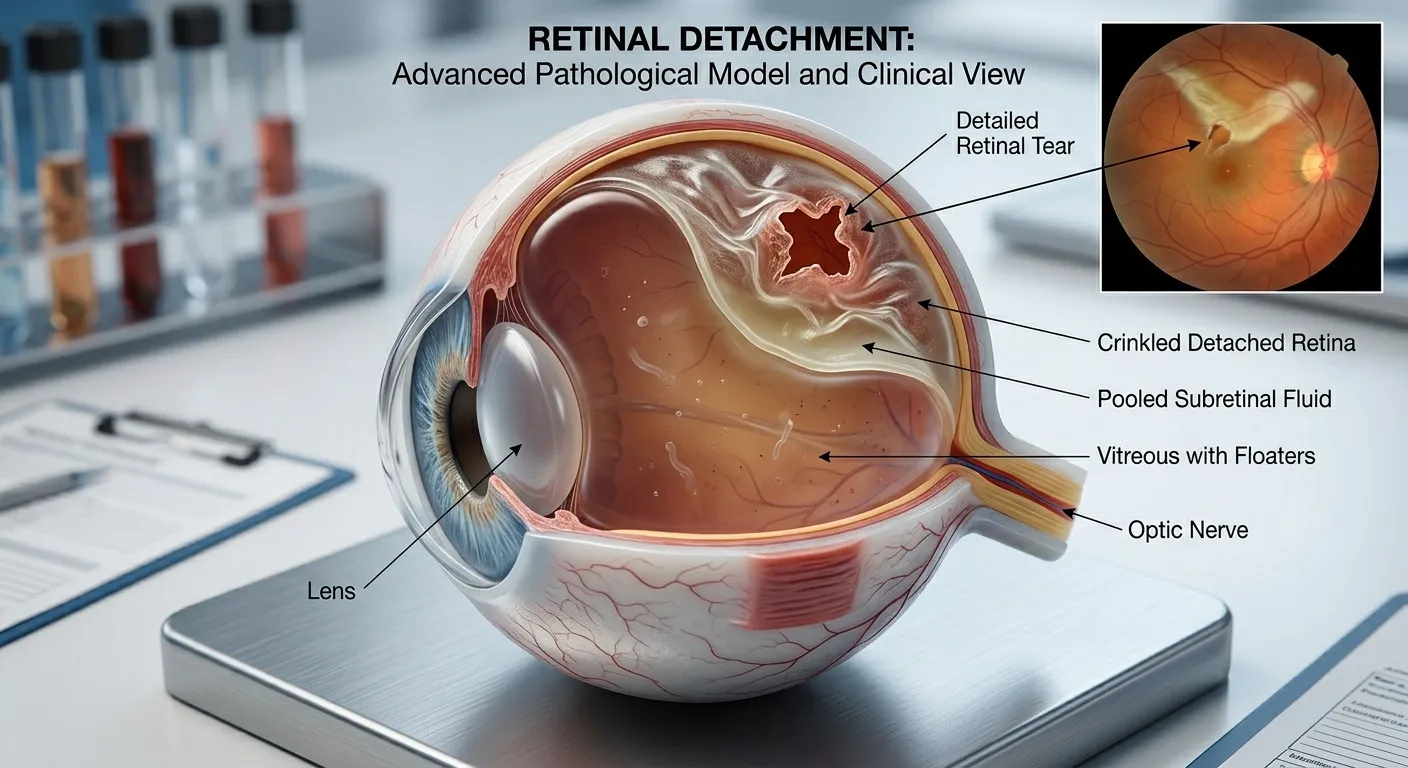
2. Retinal detachment
3. Retinitis pigmentosa
4. Stroke or brain injury
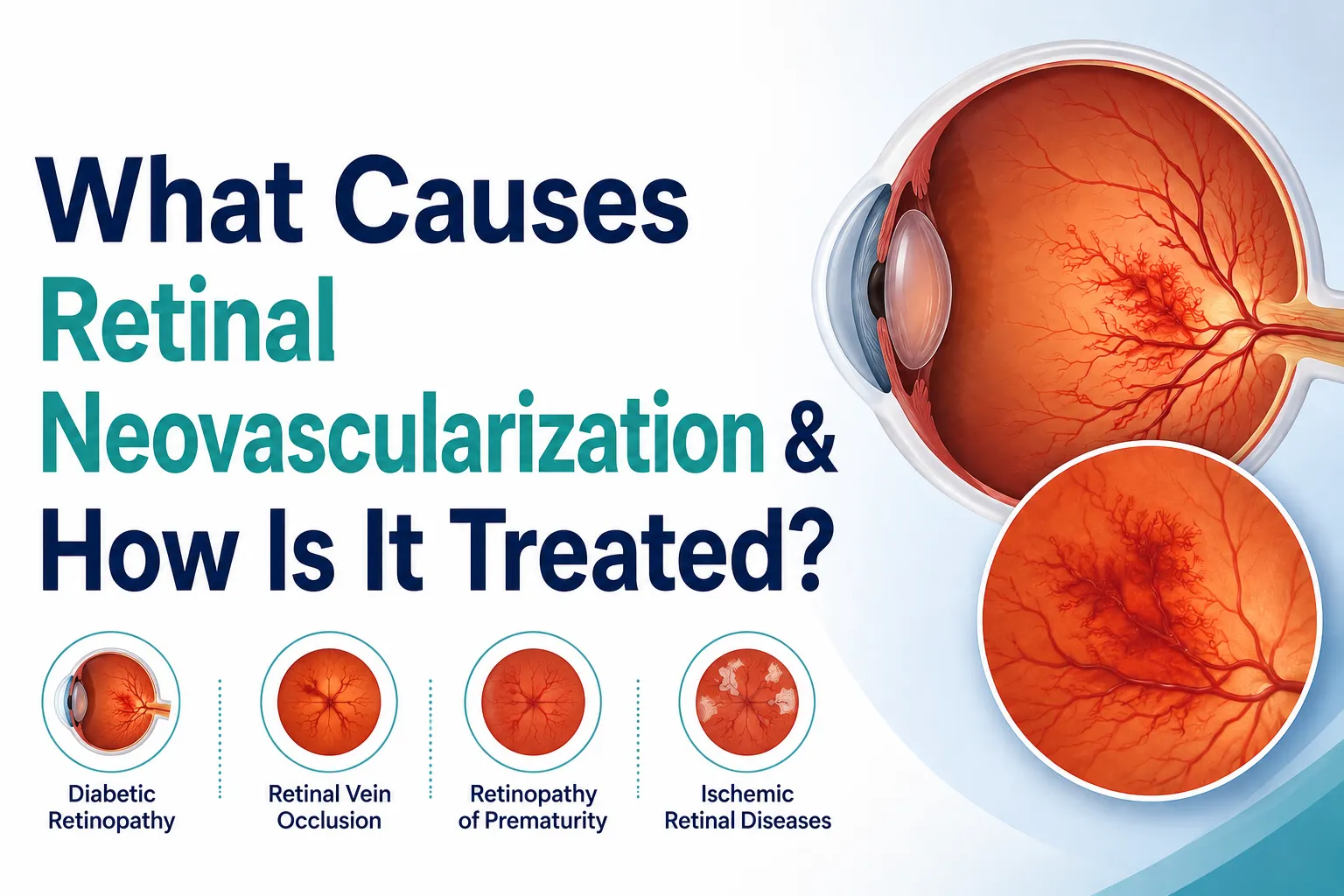
5. Advanced diabetic retinopathy
6. Optic nerve disorders
Early diagnosis is important because some underlying conditions can be treated before vision loss progresses.
Is Peripheral Vision Loss Considered a Disability?
Yes, peripheral vision loss can be considered a disability if it significantly limits your ability to perform major life activities such as driving, reading, working, or safely navigating your environment.
However, the determination depends on factors such as:
1. The amount of visual field loss
2. Vision in both eyes
3. The underlying eye condition
4. How the vision impairment affects daily activities
5. Applicable disability guidelines in your country
In many cases, severe visual field loss may qualify as a visual disability, allowing individuals to receive workplace accommodations or disability benefits if they meet eligibility requirements.
How Peripheral Vision Loss Can Affect Daily Life
Peripheral vision plays a vital role in maintaining awareness of your surroundings. Significant vision loss may impact:
1. Safe driving and road awareness
2. Walking without tripping or falling
3. Workplace performance
4. Sports and recreational activities
5. Reading large areas of text efficiently
6. Overall independence and confidence
Because the effects vary from person to person, a comprehensive eye examination is essential to determine the extent of functional vision loss.
When Should You See an Eye Specialist?
Seek prompt evaluation if you notice:
1. Sudden loss of side vision
2. Flashes of light or a sudden increase in floaters
3. A dark curtain or shadow in your vision
4. Progressive narrowing of your visual field
Some causes, such as retinal detachment, require urgent treatment to help preserve vision.
Wrapping Up
Peripheral vision loss can be considered a disability when it substantially limits daily activities or meets established visual impairment criteria. Since many eye diseases that affect peripheral vision become worse over time without treatment, early diagnosis is critical. If you're experiencing peripheral vision loss symptoms, schedule a comprehensive eye examination as soon as possible. Identifying the underlying cause early offers the best opportunity to protect your remaining vision and receive appropriate treatment or supportive resources.




























Sign in to leave a comment.