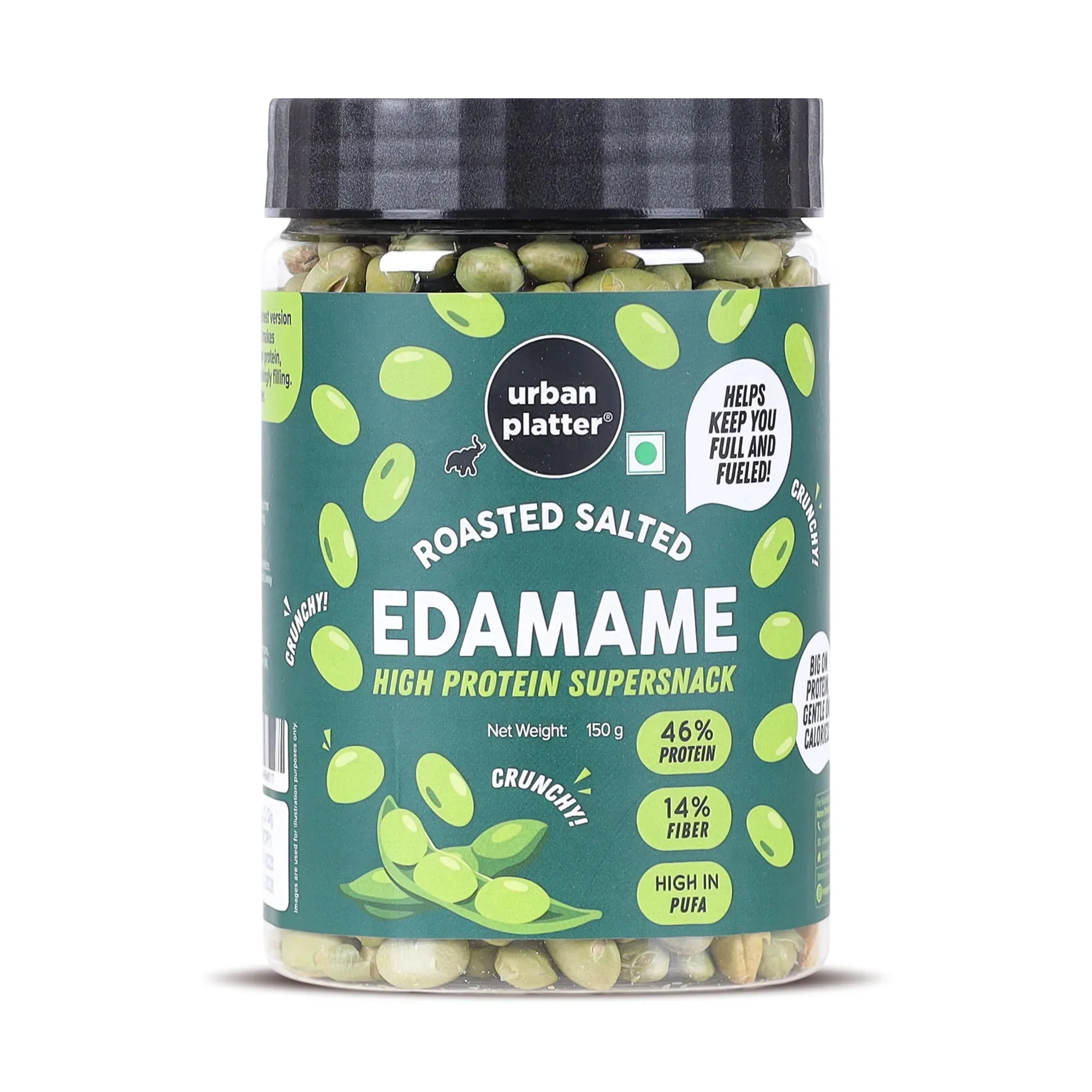


As people become more conscious about their dietary choices, nutrient-rich snacks are gaining popularity. Among these, roasted edamame has emerged as a favorite for those seeking a convenient and wholesome option. Originally enjoyed in East Asian cuisine, edamame consists of young soybeans harvested before they fully mature. When roasted, these beans develop a satisfying crunch while retaining many of their nutritional qualities.
Many consumers wonder whether roasted edamame can support heart health. While no single food can guarantee cardiovascular wellness, certain nutrient-dense foods can contribute to a balanced diet that supports overall health. Understanding the nutritional benefits of roasted edamame can help determine its place in a heart-conscious lifestyle.
Understanding Heart Health and Nutrition
Heart health is influenced by multiple factors, including physical activity, stress management, sleep quality, and diet. Nutrient-rich foods that contain plant-based protein, fiber, and beneficial fats are often included in heart-friendly eating patterns.
Foods commonly associated with balanced cardiovascular diets typically provide:
- Plant-based nutrients
- Dietary fiber
- Healthy fats
- Essential minerals
- Minimal processing
Roasted edamame offers many of these characteristics, making it an appealing snack for health-conscious individuals.
What Makes Roasted Edamame Nutritionally Valuable?
One reason roasted edamame has become popular is its impressive nutritional profile. Unlike many traditional snack foods, it offers a combination of protein and fiber in a convenient form.
Roasted edamame is valued for its:
- Plant-based protein content
- Dietary fiber
- Natural nutrients
- Crunchy texture
- Versatility
These qualities make it a practical addition to everyday eating habits.
Plant-Based Protein and Heart-Friendly Eating
Plant-based foods are increasingly recommended as part of balanced dietary patterns. Protein helps support overall nutrition and can contribute to meal satisfaction. Roasted edamame is naturally rich in plant-based protein, making it an excellent alternative to heavily processed snack options. Including more plant-based foods in the diet is often associated with healthier eating habits and improved dietary diversity.
For people seeking alternatives to traditional snacks, roasted edamame offers a convenient option that aligns with modern wellness goals.
Fiber Supports a Balanced Diet
Dietary fiber plays an important role in healthy eating patterns. Many people struggle to meet their daily fiber requirements, making fiber-rich foods especially valuable.
Roasted edamame contains fiber that can help:
- Promote satiety
- Support digestive wellness
- Contribute to balanced eating habits
- Encourage mindful snacking
Because fiber-rich foods can help people feel satisfied for longer periods, they may reduce reliance on highly processed snacks.
Naturally Suitable for Smart Snacking
Many conventional snacks are high in refined ingredients and offer limited nutritional value. In contrast, roasted edamame provides a simple ingredient option that supports healthier snack choices.
Its crunchy texture makes it enjoyable to eat while offering nutritional benefits that many packaged snacks lack. This makes roasted edamame a practical choice for those looking to improve their daily food selections.
Contains Beneficial Plant Compounds
Soybeans naturally contain plant compounds that have attracted significant scientific interest over the years. These compounds are often studied for their role in supporting overall wellness when included as part of a balanced diet.
Because roasted edamame is made from young soybeans, it retains many of these naturally occurring plant nutrients. While research continues to explore their specific effects, their presence contributes to the overall nutritional value of the food.
Supports Weight Management Goals
Maintaining a healthy weight is often considered an important aspect of heart health. Foods that combine protein and fiber may help support balanced eating habits and portion control. Roasted edamame offers both of these nutrients in a convenient snack format. As a result, it can fit well into eating plans focused on mindful consumption and long-term wellness.
Replacing less nutritious snack options with roasted edamame may help individuals make more balanced dietary choices.
Easy to Include in Daily Meals
One of the advantages of roasted edamame is its versatility. It can be enjoyed in several ways beyond simple snacking.
You can add roasted edamame to:
- Salads
- Grain bowls
- Trail mixes
- Lunch boxes
- Soup toppings
Its crunchy texture enhances various dishes while contributing additional nutrients.
A Better Alternative to Many Processed Snacks
The modern snack market offers countless options, but not all provide meaningful nutritional benefits. Many snacks are heavily processed and may contain excessive amounts of refined ingredients.
Roasted edamame stands out because it offers:
- Plant-based protein
- Fiber
- Convenient portability
- Satisfying crunch
These qualities make it a practical substitute for less balanced snack choices.
Nutritional Benefits of Roasted Edamame
The growing popularity of roasted edamame can be attributed to its combination of taste, convenience, and nutrition. It provides a nutrient-dense option for individuals looking to make healthier food choices throughout the day.
Some notable characteristics include:
- High protein content compared to many snack foods
- Good source of dietary fiber
- Naturally derived nutrients from soybeans
- Easy portability for on-the-go consumption
- Versatility in recipes and meal preparation
These features make roasted edamame a valuable addition to a balanced diet.
Can Roasted Edamame Alone Improve Heart Health?
It's important to remember that no single food can independently determine heart health. Overall dietary patterns and lifestyle choices matter far more than any one ingredient.
However, foods like roasted edamame can contribute positively when included as part of a balanced diet that emphasizes:
- Fruits and vegetables
- Whole grains
- Plant-based foods
- Regular physical activity
- Healthy lifestyle habits
Viewed within this broader context, roasted edamame can be a valuable addition to wellness-focused eating plans.
Final Thoughts
So, is roasted edamame good for heart health? While it is not a magic solution, its nutritional profile makes it a smart choice for people seeking healthier snack options. Rich in plant-based protein and fiber, roasted edamame supports balanced eating habits and offers a satisfying alternative to many conventional snacks. Whether enjoyed on its own, added to meals, or included in homemade snack mixes, roasted edamame can play a useful role in a heart-conscious diet. Its combination of protein, fiber, and naturally occurring plant nutrients makes it a practical option for those looking to improve their overall dietary habits.
By making thoughtful food choices and maintaining healthy lifestyle practices, individuals can support overall wellness while enjoying nutritious foods like roasted edamame.































Sign in to leave a comment.