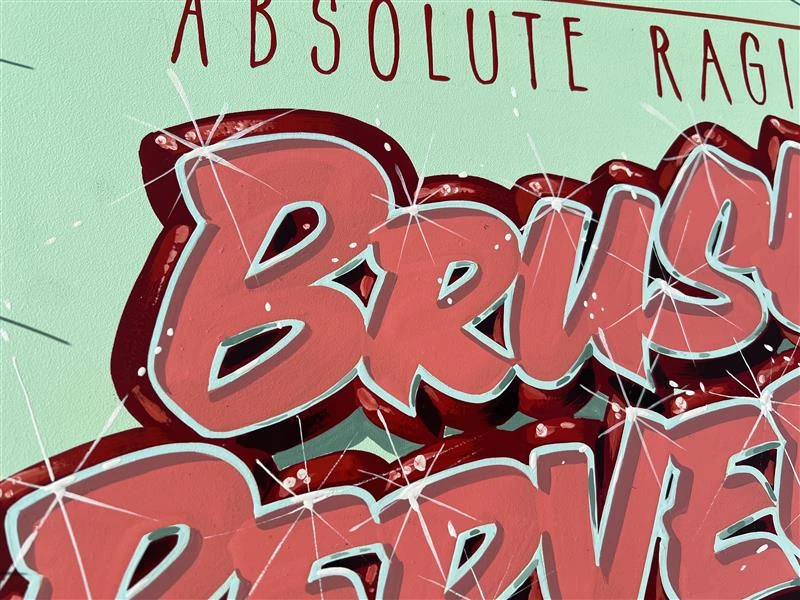

In the age of glowing screens and fast-printed vinyl, you might assume that the humble brush-painted sign has faded quietly into history. But if you’ve noticed hand-painted storefronts reappearing in your city, or scrolled past short videos of sign painters creating crisp lettering freehand, you’re not imagining it. Traditional sign painting is making a comeback.
This revival isn’t just about nostalgia. It’s about craft, authenticity, and the human connection people crave in a world where so much looks mass-produced. And that’s exactly why artists, businesses, and curious learners are rediscovering the art of traditional signwriting, whether by picking up a brush themselves or commissioning bespoke work.
In this piece, I’ll walk you through the story of why sign painting matters, how it’s returning, and how anyone (yes, even beginners) can learn the craft today through resources like The Signpainters Academy.
A Short History: When Every Town Had a Sign Painter
Not so long ago, every high street, fairground, and shopfront carried a hand-painted sign. Before computers and plotters, if you wanted your café or shop to stand out, you called a sign painter.
These painters weren’t just tradespeople. They were part of the cultural fabric. Each sign carried its maker’s touch, an imperfectly perfect flow of letters that told you this was a place worth stepping into.
For much of the 20th century, sign painters thrived. But as vinyl lettering, plastic signs, and later, digital printing grew cheaper and faster, the demand for hand-painted work fell. By the 1990s, signwriting had almost vanished in many places.
Yet, what disappeared from the streets never truly left people’s hearts.
Why the World is Looking Backward to Move Forward
So, why are we suddenly seeing brush lettering and gilded glass popping up again?
- Authenticity matters. Businesses are waking up to the fact that people are drawn to the unique, not the generic. A hand-painted sign feels like it belongs to a place in a way that a flat vinyl print never can.
- Craftsmanship inspires trust. When you see a hand-painted pub sign or a shopfront gilded with gold leaf, it signals care, time, and quality. Those qualities reflect back on the business itself.
- Digital fatigue is real. After years of being bombarded by glossy digital marketing, many of us find relief in something tactile, slow, and human.
- The maker movement. From sourdough baking to woodworking, there’s a cultural shift toward rediscovering traditional skills. Sign painting fits right in.
A Personal Story: From Brushes to the Academy
I’ve been painting signs for more than thirty years. Over that time, I’ve seen the trade nearly disappear, and then re-emerge in unexpected ways.
Like many painters, I learned through years of practice, mistakes, and stubborn perseverance. There were no online tutorials or video courses back then. If you were lucky, you might apprentice under someone willing to share their tricks.
That experience is exactly what drove me to create The Signpainters Academy. I wanted to give beginners and enthusiasts a way to learn properly, from the comfort of their own homes, while still keeping the real-world feel of the craft.
Today, students from the UK, the USA, Canada, Europe, and Australia are dipping their brushes into paint and finding joy in learning skills that once seemed out of reach.
Learning Sign Painting Online: Is It Possible?
It’s a fair question: Can you really learn a craft like signwriting online?
The short answer is yes, but only if the teaching feels real, not abstract. At the Academy, I’ve structured the courses so you’re not just watching theory. You’re following along in real-time video demonstrations, seeing the brush on the board, the paint consistency, even the mistakes and fixes.
For example, beginners start with:
- Choosing and caring for brushes
- Understanding paint flow
- Building steady hand control
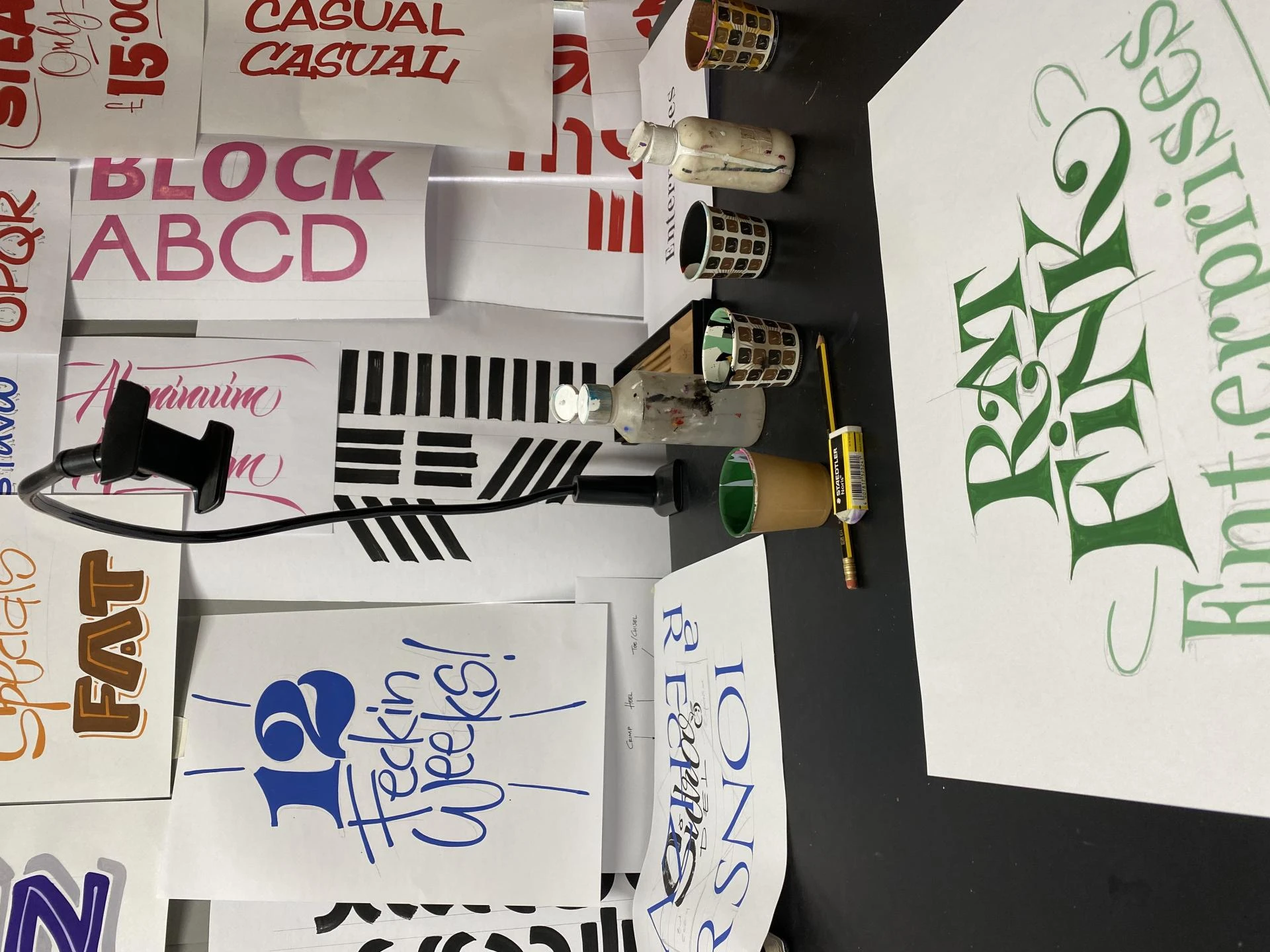
- Practicing the four main lettering styles (Casual, Block, Script, Roman)
From there, the journey deepens into shading, gilding, glasswork, blending, and eventually advanced pictorials.
Think of it like an apprenticeship, except you can pause, rewind, and rewatch as many times as you need.
Why Students Are Choosing Brushes Over Screens
Many students arrive after years of dabbling, watching YouTube clips, copying from books, or trying to “wing it.” What they often find is that structured practice makes all the difference.
Take Jason from Ireland. He’d been painting casually for years but always felt his work lacked flow. After working through the course, he realised what was missing wasn’t passion, it was proper drills, focus, and guidance. His confidence and brush control grew dramatically.
Or Robert from the USA, who had decades of sign business experience but found himself reignited by the training. For him, it wasn’t just about learning new tricks, it was about rediscovering joy in the craft.
These stories echo across our Instagram community and in emails I receive from learners worldwide.
The Benefits of Learning Traditional Signwriting
Picking up sign painting isn’t just about a potential career change. It brings with it:
- Creative satisfaction. Few things beat seeing your hand-painted work displayed proudly in public.
- A side income or new career. Many learners start by painting house names, shopfronts, or even festival boards.
- Community connection. Painted signs are conversation starters. People notice them. They ask questions.
- Mindful practice. There’s something calming about brush on board. In a way, it’s not far off meditation.
And, of course, there’s the joy of keeping a beautiful tradition alive.
Workshops vs. Online Learning
Workshops are valuable, you get in-person feedback and a taste of the craft. But they’re often short, and skills fade quickly without ongoing practice.
That’s why the 12-month Signpainting Course exists: to give students structure, guidance, and enough time to develop true muscle memory. Instead of trying to cram years of skills into a weekend, you build them step by step.
Plus, with video training, you can rewatch lessons whenever you like, whether it’s a brushstroke you missed, or a gilding technique you want to see again.
Traditional Skills, Modern Opportunities
Here’s the irony: while digital technology once pushed sign painting aside, it’s now helping to bring it back. Social media platforms like Instagram and YouTube are full of short, mesmerizing clips of brushes gliding across boards.
This visibility has done two things:
- Inspired a new generation of learners.
- Sparked demand from businesses wanting to stand out with hand-painted signage.
From craft breweries in London to boutique shops in Melbourne, companies are choosing traditional signs as part of their branding. And that demand means opportunities for painters willing to put in the work.
Getting Started: Practical Tips for Beginners
If you’re reading this and thinking, Maybe I could try this, here are some first steps:
- Start simple. Don’t jump straight into gold leaf. Begin with brush control and block letters.
- Invest in the right tools. Quality brushes and paints make learning far smoother.
- Commit to practice. Sign painting isn’t about quick tricks, it’s about repetition and patience.
- Find guidance. Structured lessons (like those in The Signpainters Academy) help you avoid years of frustration.
- Document your progress. Take photos of your work, even the rough ones. They’ll remind you how far you’ve come.
Stories from the Academy
One of my favourite things about running the Academy is seeing students’ journeys. Some come in with no experience, unsure if they can even hold a brush steady. Months later, they’re sharing polished signboards on our community platform, selling their work, or even changing careers.
One student told me he’d been searching for a creative outlet after years in a desk job. Another wanted to restore vintage fairground signs in his town. Both found not just skills, but a renewed sense of purpose.
It’s a reminder that this isn’t just about signs, it’s about people, stories, and identity.
Why the Revival Matters
The return of sign painting isn’t just a quirky design trend. It says something deeper about what people value.
In a digital-first economy, we’re craving connection to craft, to the imperfect beauty of human work. We want to feel the story behind the things we see every day.
A hand-painted sign isn’t just a label. It’s a piece of living art, rooted in tradition, but alive in the present.
Conclusion: Painting the Future by Honouring the Past
So, is traditional sign painting making a comeback? Absolutely. But not as a museum piece, it’s alive, evolving, and shaping how businesses and individuals express themselves today.
For those curious to try it, now is the best time. Resources like The Signpainters Academy mean you don’t have to stumble in the dark. You can learn in a structured, supportive way, guided by decades of real-world experience.
Whether you dream of turning it into a career, want a creative outlet, or simply love the idea of keeping a timeless craft alive, the brush is waiting. And once you start, you’ll see, it’s not just about painting letters. It’s about painting stories.

























Sign in to leave a comment.