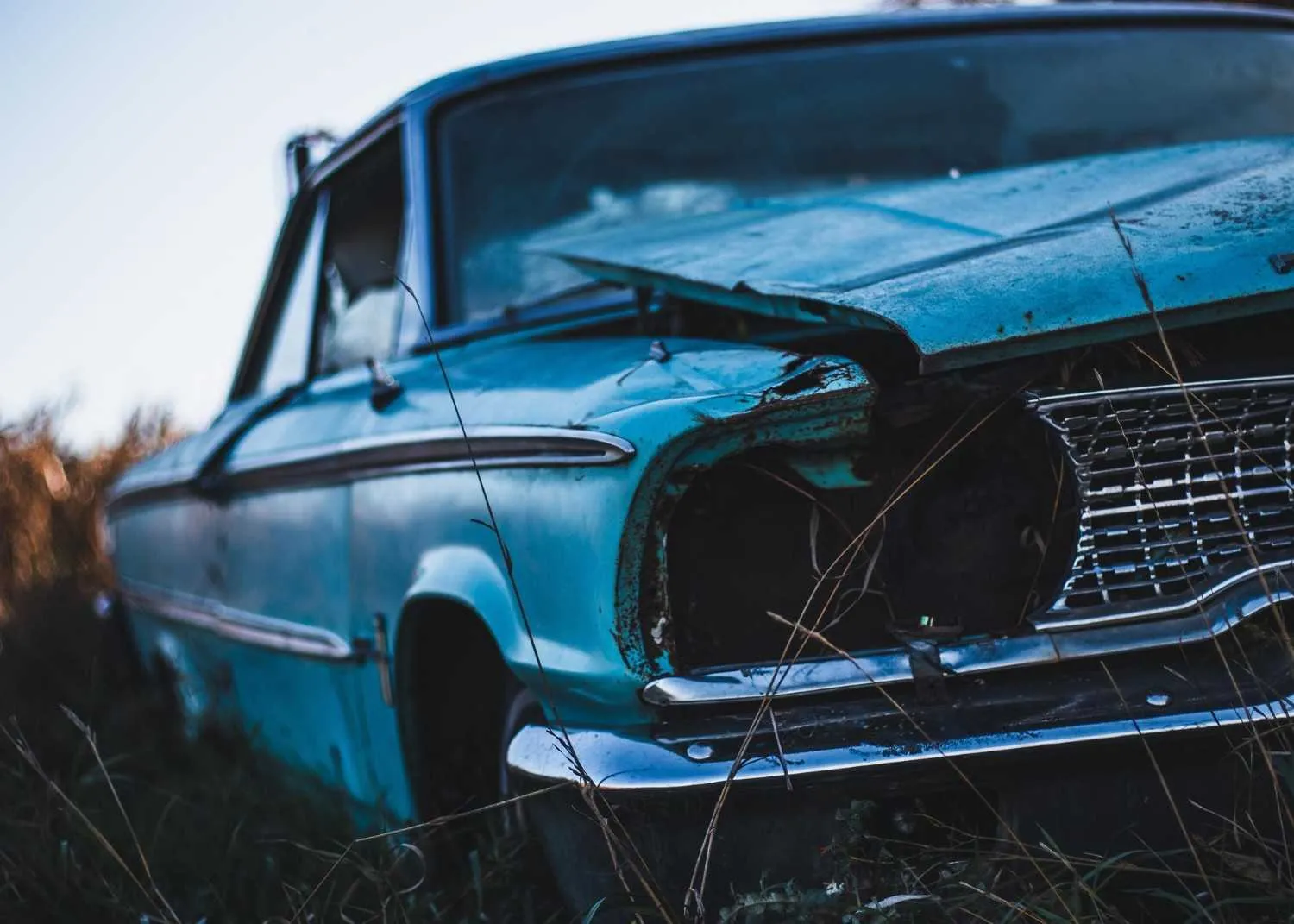

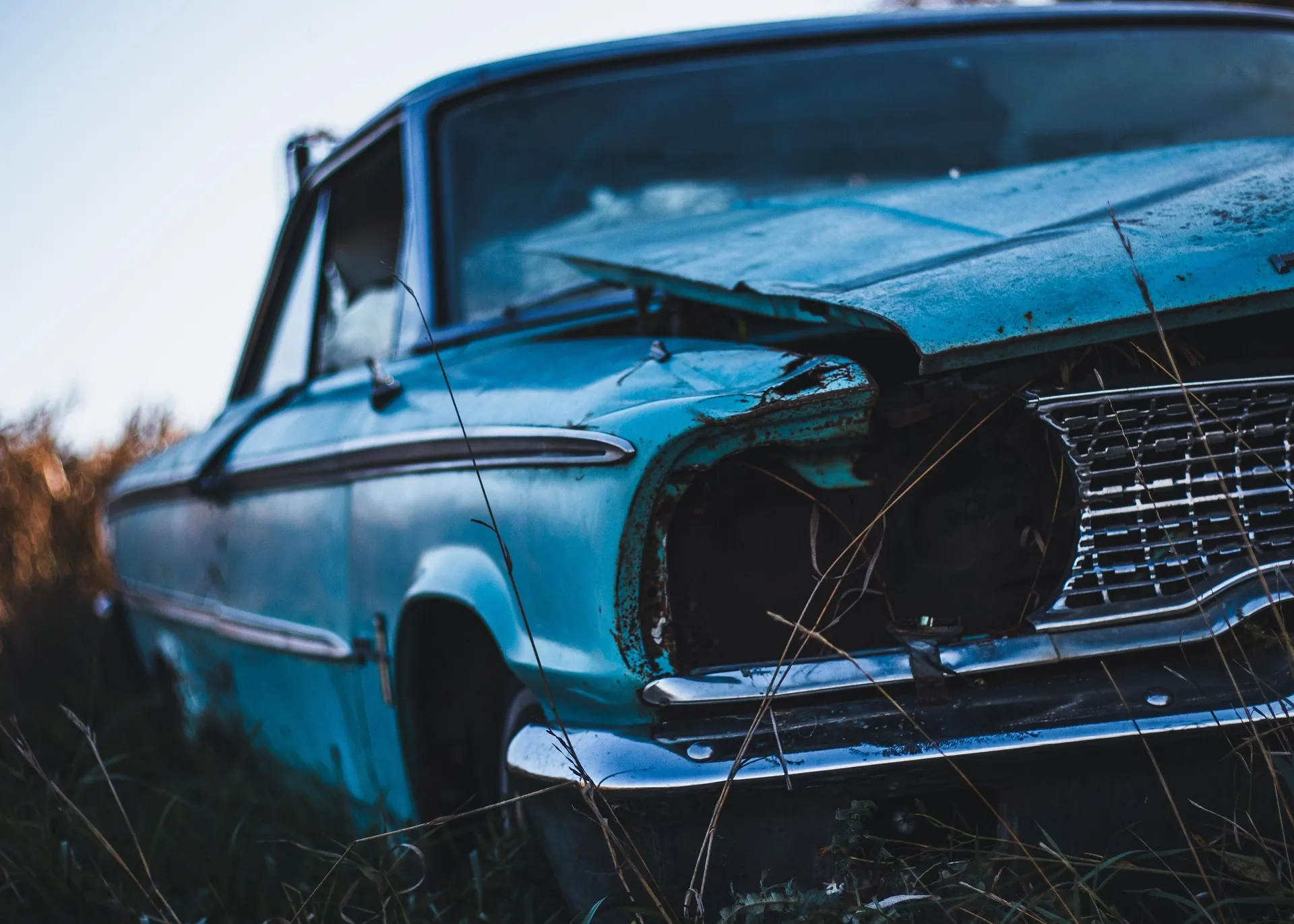
It is a question most people never think to ask. When a car stops running or gets written off, the instinct is to call a scrap yard, hand it over, and collect whatever flat rate they offer for the whole vehicle. But what if the most valuable thing sitting under that hood is worth more on its own than the entire car is as scrap metal?
The answer, depending on what you are driving, might genuinely surprise you.
How Scrap Yards Value a Whole Car
When you sell a junk car as a complete unit to a scrap yard or cash for cars service, they are typically calculating value based on the vehicle's total weight multiplied by the current price per tonne for scrap steel, plus a rough estimate of what salvageable parts they can resell. They factor in their labour costs, towing expenses, and profit margin, and the number they hand you is what is left over after all of that.
In most cases, that number does not fully reflect the individual market value of every component inside the vehicle. Scrap yards are processing dozens of cars a week. They are not always going to pull every part, list it, and wait for individual buyers. That gap between what they will pay you and what those parts are actually worth on the open market is exactly where your opportunity lies.
What Makes an Engine Valuable as a Standalone Part
Not every junk engine is a goldmine, but many are worth significantly more than people realize. Here is what determines whether your engine has serious standalone value.
Low Mileage on a High Demand Model If your car was totalled in an accident but the engine only has 80,000 kilometres on it, that engine is mechanically young. Buyers looking to repair a vehicle of the same make and model would rather purchase a used engine in good condition than pay dealership prices for a new or remanufactured one. A low mileage engine from a popular model can sell for two to five times what the whole car would bring as scrap.
Popular and Common Vehicles Engines from high volume vehicles have the largest secondary market simply because there are more of those vehicles on the road needing repairs. In Ontario and across Canada, engines from vehicles like the Ford F-150, Honda Civic, Toyota Corolla, Chevrolet Silverado, and Ram 1500 are consistently in demand. If your junk car happens to be one of these models, the engine alone could be worth serious money.
Diesel Engines Diesel engines command a significant premium over their gasoline counterparts in the used parts market. They are built to higher tolerances, last longer, and are generally more expensive to replace new. A used diesel engine from a truck or commercial vehicle in working condition can sell for anywhere from $1,500 to $6,000 or more depending on the model and mileage.
Specialty and Performance Engines If you happen to have a junk vehicle with a performance or specialty engine, you may be sitting on a significantly valuable asset. Engines from performance trims, limited edition models, or vehicles with cult followings among enthusiasts can fetch premium prices from collectors and builders who are specifically searching for that exact unit.
Real World Value Comparison: Engine vs Whole Car
To make this concrete, here are some realistic comparisons based on the Ontario used parts and scrap market:
Honda Civic with 90,000 km engine Whole car scrap value: $200 to $400 Engine sold separately: $600 to $1,200 Difference: Up to $1,000 more by selling the engine alone
Ford F-150 5.0L V8 with 100,000 km Whole truck scrap value: $500 to $1,500 Engine sold separately: $1,500 to $3,500 Difference: Up to $2,000 more by selling the engine alone
Ram 2500 Cummins Diesel with 150,000 km Whole truck scrap value: $800 to $2,000 Engine sold separately: $3,000 to $6,000 Difference: Up to $4,000 more by selling the engine alone
Toyota Corolla with 70,000 km engine Whole car scrap value: $150 to $350 Engine sold separately: $700 to $1,400 Difference: Up to $1,050 more by selling the engine alone
The pattern is clear. In nearly every case, a complete and reasonably healthy engine sold as a standalone unit outperforms the value of the whole car sold as scrap.
Other Parts That Can Outperform the Whole Car Value
While the engine often gets the spotlight, it is not the only component worth pulling before you scrap. Several other parts can individually rival or exceed the scrap value of the entire vehicle.
Transmission A functioning automatic or manual transmission is expensive to replace new and is always in demand on the used market. Depending on the vehicle, a used transmission in working condition can sell for $400 to $1,800 in Ontario.
Catalytic Converter This is one of the most talked about components in the scrap world right now. Catalytic converters contain precious metals including platinum, palladium, and rhodium. Depending on the vehicle, a catalytic converter can be worth anywhere from $50 to over $1,000 as a standalone unit. Luxury and hybrid vehicles tend to have the most valuable converters.
Transfer Case and Differentials On four wheel drive and all wheel drive vehicles, the transfer case and rear differential are expensive components that used parts buyers actively seek out. These can sell for $300 to $900 depending on the vehicle.
Infotainment and Electronics Modern vehicles have increasingly sophisticated electronics, navigation systems, and infotainment units that are costly to replace through dealerships. If your junk car has a newer or intact screen and electronics package, these can sell individually for $100 to $500 or more.
Doors, Hoods, and Body Panels If the vehicle was mechanically dead but structurally intact with minimal rust or damage, body panels from popular models sell well to collision repair shops and private buyers. A single undamaged door from a common vehicle model can bring in $100 to $400.
When It Is Not Worth Pulling the Engine
To be fair and balanced, there are situations where selling the whole car as a unit makes more sense than parting it out.
If the engine has seized, is cracked, has a spun bearing, or has serious internal damage, its value drops dramatically. A non-running engine with unknown internal damage is a hard sell and will not command anywhere near the prices listed above. In this case, the scrap value of the whole car may actually be your best option.
Similarly, if your vehicle is a very old model with low parts demand, or a rare import where buyers are few and far between, the time and effort of parting it out may not justify the return. Selling as a complete unit gets you paid quickly with zero effort beyond the paperwork.
The key question to ask yourself is this: is the engine intact, does it have reasonable mileage, and is it from a vehicle that people are actively searching for parts for? If the answer to all three is yes, pulling it before scrapping is almost certainly worth your time.
The Bottom Line
The answer to the question this blog started with is yes. In many cases, a junk engine pulled from the right vehicle and sold to the right buyer is worth more than the entire car would bring at a scrap yard. The same is true for transmissions, catalytic converters, and several other high value components that scrap yards bundle into a flat rate offer that rarely reflects true market value.
Before you call a scrap yard and hand over your vehicle for a lump sum, spend thirty minutes researching what the engine and key components are selling for on Kijiji and Facebook Marketplace in Ontario. That research could be worth anywhere from a few hundred to several thousand extra dollars in your pocket.




















Sign in to leave a comment.