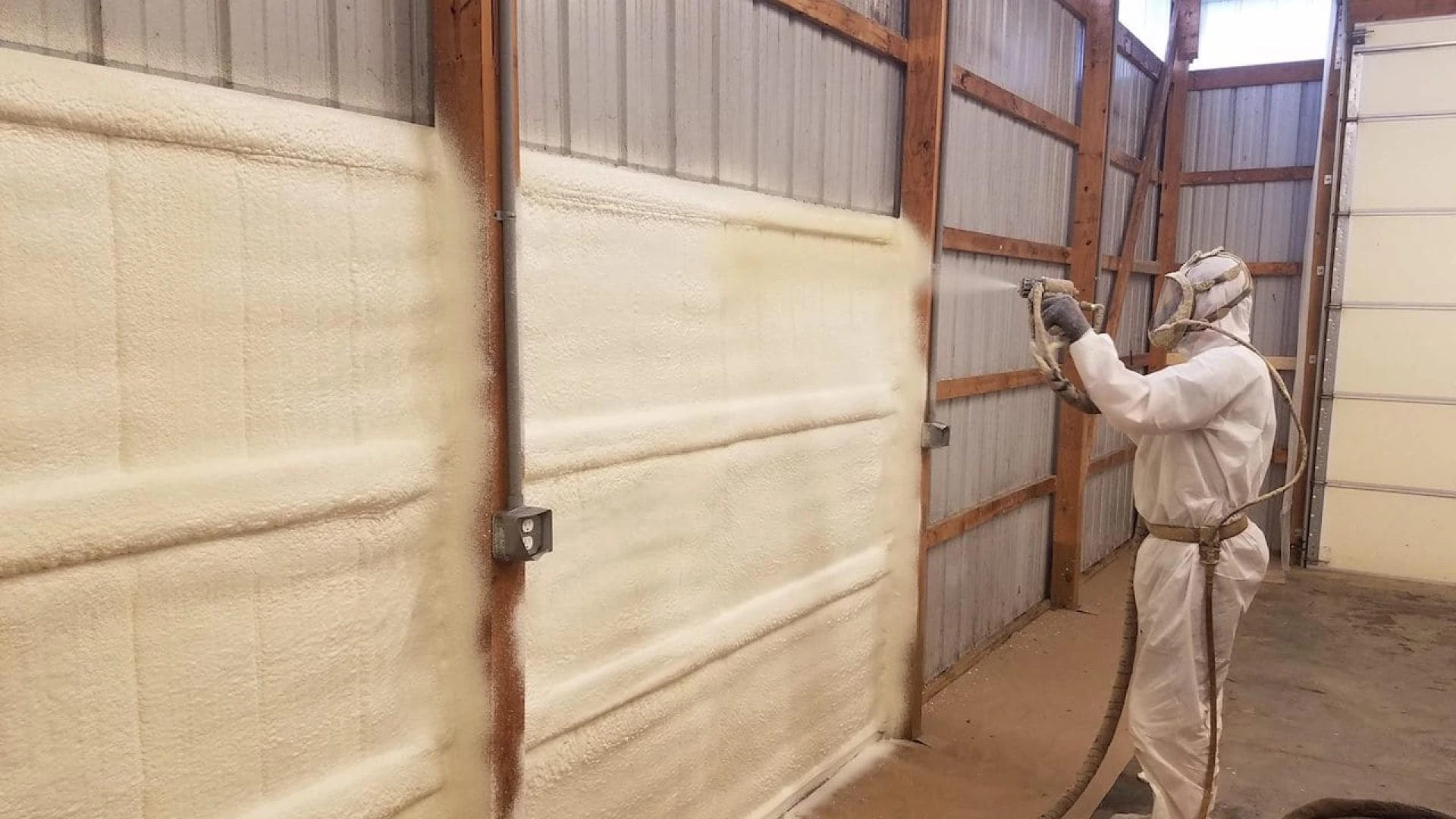

Pole barns are notoriously difficult to keep warm when insulation mistakes go unnoticed or unresolved. If your pole barn struggles to hold heat during colder months or feels drafty despite added insulation, chances are you’re dealing with one or more of the most common insulation errors. These issues can lead to a significant increase in energy bills, inconsistent indoor temperatures, and unnecessary wear on heating systems. The problem isn’t always the insulation itself—it’s often how it was installed, what type was chosen, or what steps were skipped.
The good news is that most heat loss problems in pole barns can be traced to specific, correctable causes. This article explains those causes in depth, presents technical comparisons, and outlines exactly what to check and fix. Whether you're constructing a new pole barn insulation or improving an existing one, avoiding these insulation errors is key to energy efficiency and comfort.
The Primary Causes of Heat Loss in Pole Barns
Most pole barns lose heat through air leaks, poor insulation coverage, and thermal transfer across uninsulated framing elements. Unlike traditional homes, pole barns often feature large open spans, minimal framing, and metal surfaces—materials and designs that are especially prone to energy loss if not properly managed. Metal conducts heat easily. If insulation doesn’t account for this, thermal bridging will occur and significantly lower your building's overall energy efficiency.
Air leakage is another major factor. Pole barns typically have more penetrations, gaps, and seams than a standard structure. If these areas are not sealed thoroughly before insulation is installed, warm air will escape continuously throughout the colder months. Even high R-value insulation cannot perform well if it’s surrounded by leaks or interrupted by gaps.
Moisture buildup also contributes to heat loss. Wet insulation doesn’t insulate. Condensation on metal panels, trapped humidity, or poor ventilation will reduce the effectiveness of your system, cause premature failure of materials, and lead to mold or rot issues over time.
Inadequate R-Values and Misapplied Materials
One of the most common and costly mistakes is choosing insulation with an R-value too low for your climate or barn use. Many pole barn owners install what they can afford at the time—often fiberglass batts or rolls—without understanding that these materials require airtight installation and additional sealing components to perform properly. Without these, even an R-19 batt won’t stop meaningful heat loss.
Let’s take a closer look at how R-values stack up against different climate needs:
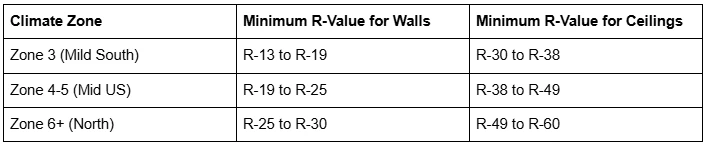
Installing insulation with an R-value below these minimums in your region leads to underperformance. Combine that with unsealed joints, and the effect can feel like you have no insulation at all.
Comparison of Insulation Types for Pole Barns
Choosing the right insulation goes beyond R-value. You need to understand how different materials perform under pressure, exposure to moisture, and installation error.
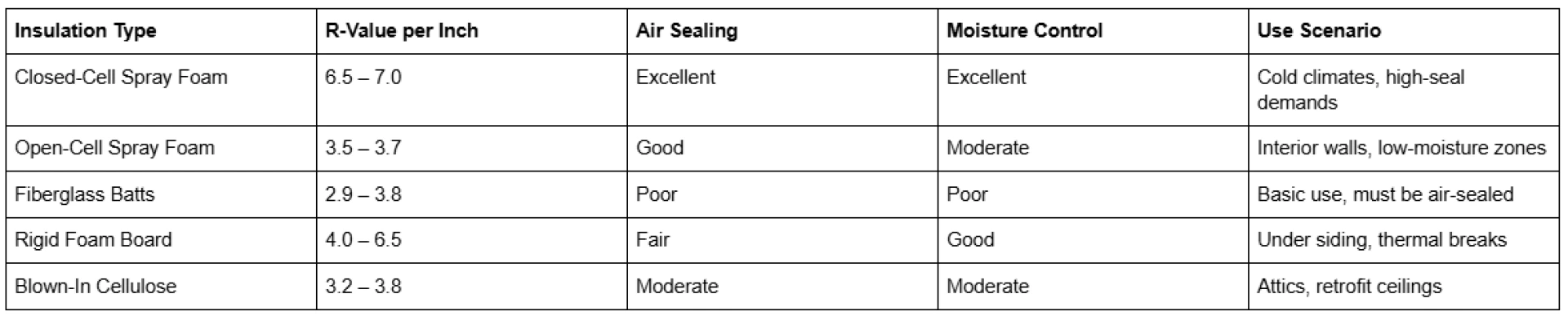
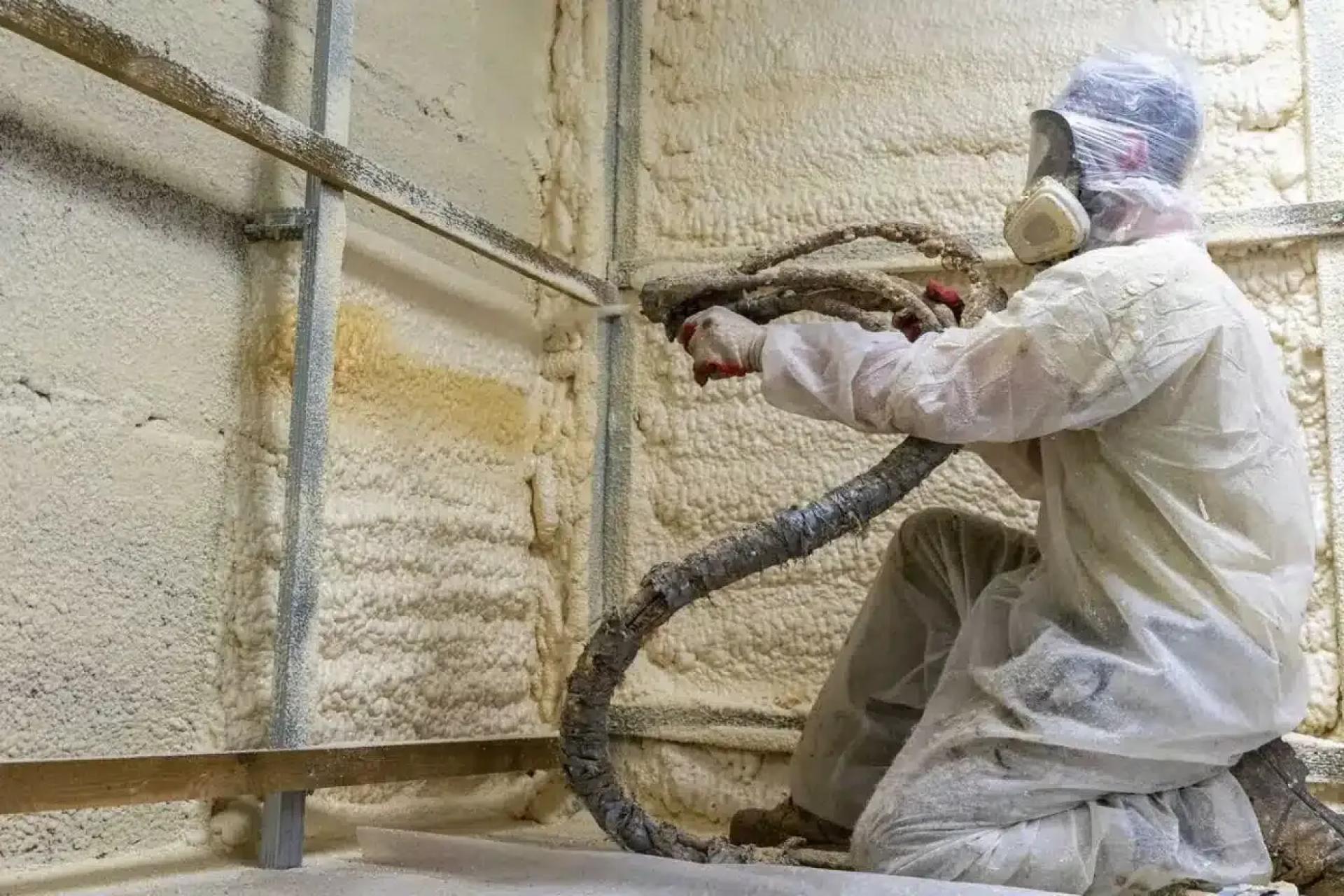
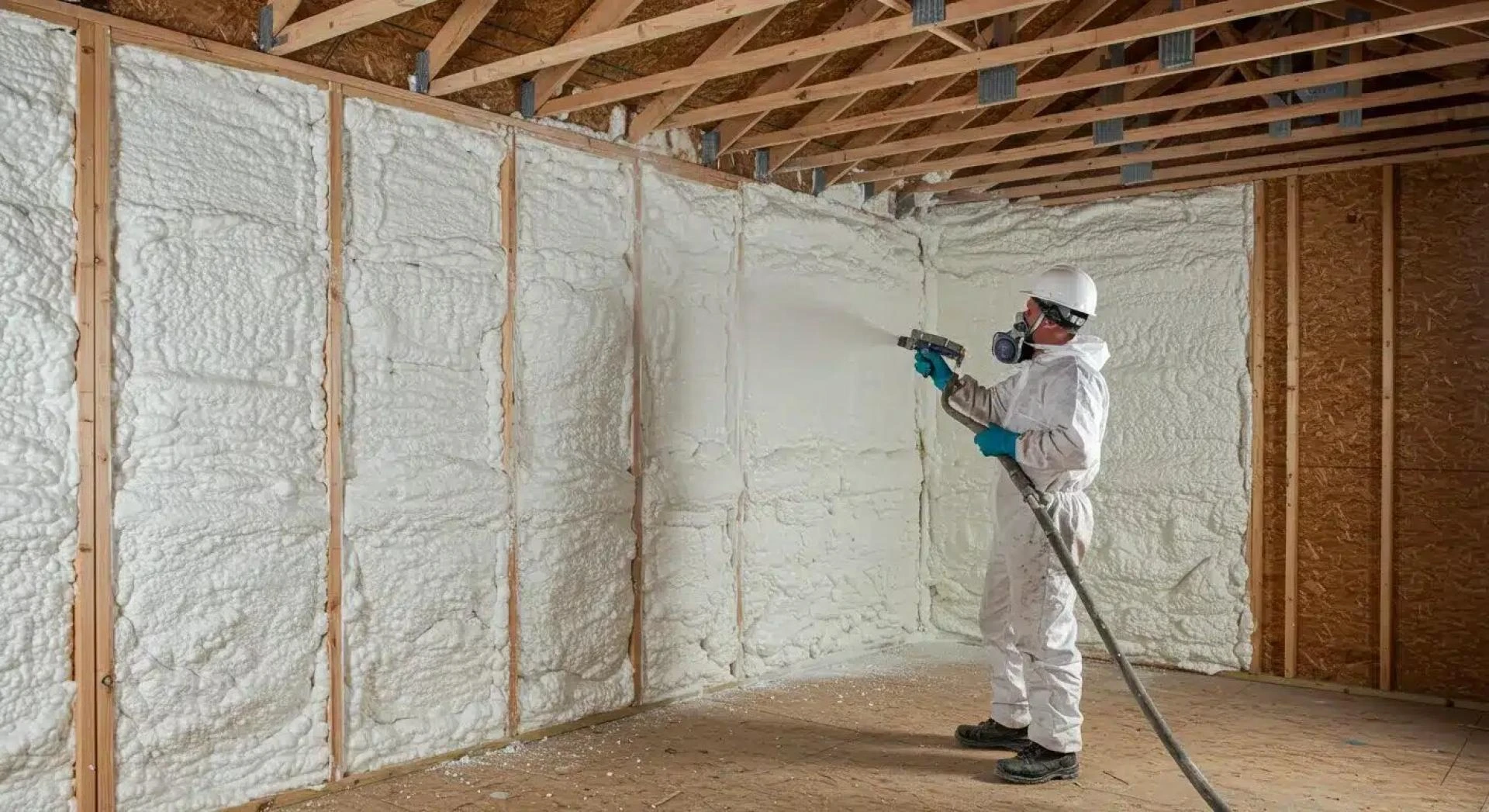
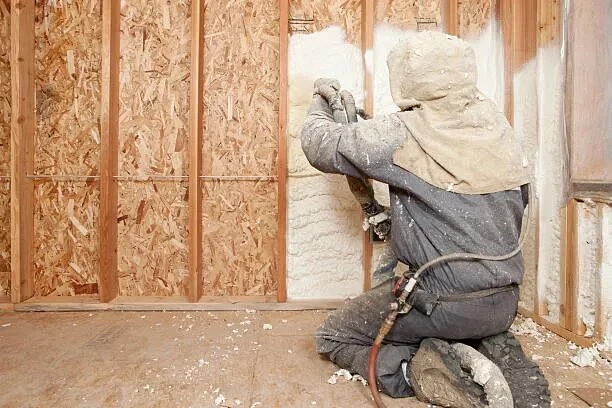
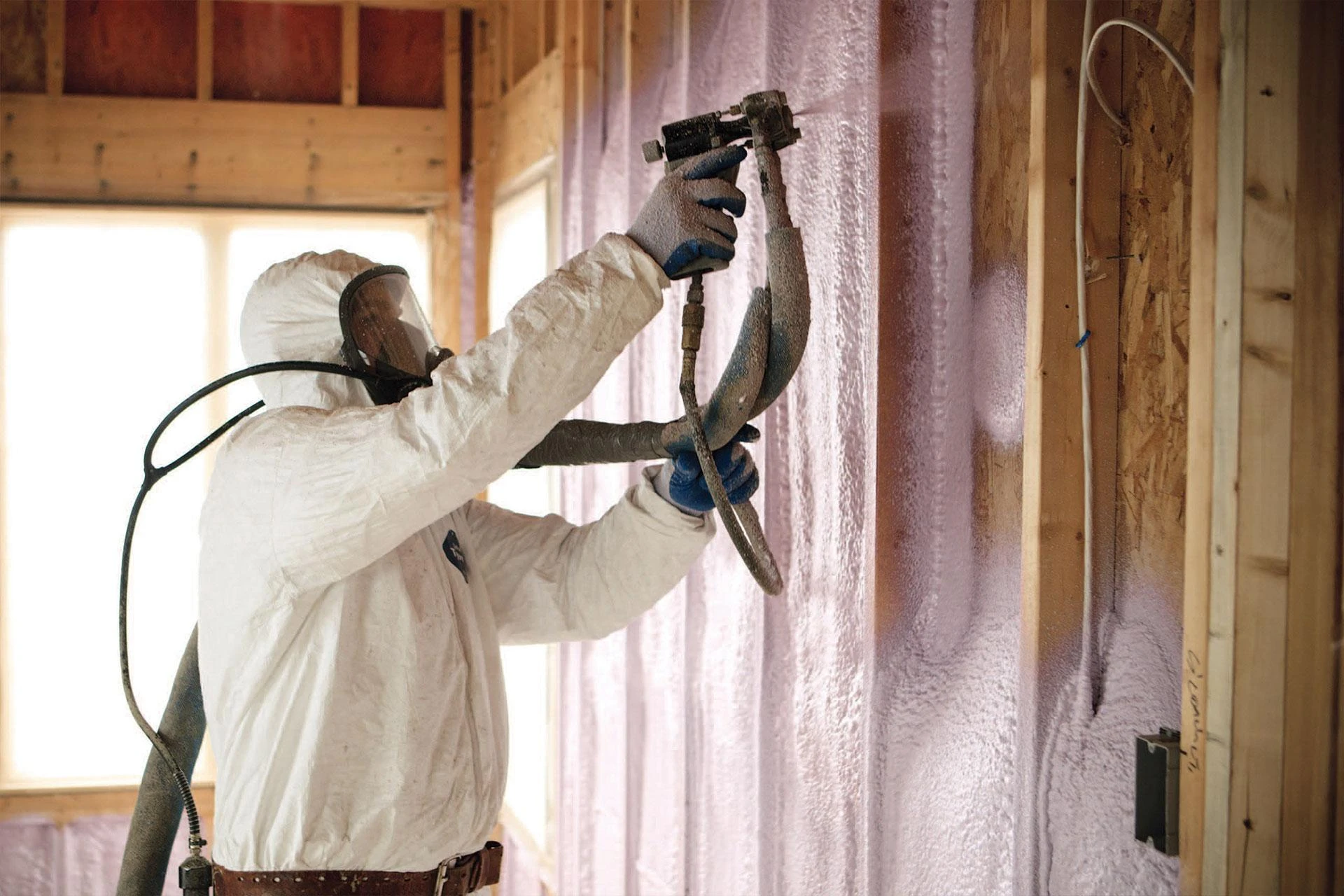
Closed-cell spray foam Insulation services is widely considered the most effective insulation for pole barns because it offers a combination of high R-value, air sealing, and moisture resistance. It also adds structural rigidity to your building, which is an added bonus in windy or load-bearing zones. However, it comes with a higher price tag, which makes it essential to weigh the investment against your intended barn usage.
Installation Mistakes That Reduce Effectiveness
No matter how high-end your insulation is, poor installation will ruin its performance. Common errors include leaving gaps between batts, compressing materials into tight spaces, misaligning layers, and failing to seal seams and penetrations. Every gap, even as small as a pencil width, allows for air movement, and that results in energy loss.
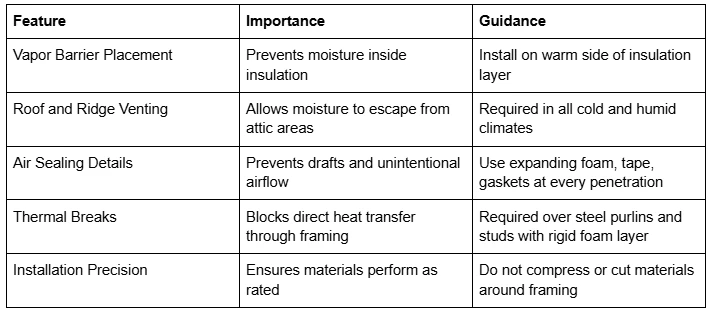
Another overlooked mistake is skipping the thermal break. Metal buildings require separation between the interior heated space and exterior steel framing. If that barrier doesn’t exist, the framing will continue to transfer heat outside even if the rest of the space is insulated.
Moisture control is another area where mistakes happen often. Without proper vapor barriers or roof ventilation, warm indoor air meets cold surfaces, condenses, and soaks into insulation. Once insulation is damp, it loses most of its effectiveness. For pole barns, particularly those with metal siding and roofing, a well-integrated ventilation plan is critical to insulation success.
Technical Specs to Keep in Mind
Considerations Before Choosing Insulation
Start by clearly defining how you will use the pole barn. If the space is used only for cold storage or occasional access, a simple fiberglass and vapor barrier system may suffice. But if you plan to use the space for work, recreation, animal housing, or living quarters, higher performance insulation with proper sealing becomes critical.
Your regional climate must guide your R-value and moisture strategy. Warmer regions need to control humidity and radiant heat, while colder areas must insulate against conductive heat loss and prevent condensation from forming on cold steel panels.
Also consider your long-term maintenance plan. Materials like fiberglass or cellulose may need replacement or repair over time, especially if exposed to moisture. Spray foam, by contrast, tends to last the life of the building if installed properly.
Don’t overlook access to the walls and ceiling. Some systems are hard to retrofit later. It’s much easier to insulate thoroughly before finishing your interior walls or installing heavy shelving.
Common Questions
What’s the biggest insulation mistake in pole barns? Air leaks and gaps in coverage are the top culprits. Even high R-value insulation fails when it’s not sealed correctly.
Can I just insulate the walls and skip the roof? No. Since heat rises, failing to insulate the roof or ceiling will undo the benefits of wall insulation.
Why is my barn still cold after insulation? You may have missed air sealing, used an underperforming insulation type, or installed insulation incorrectly. It’s often not the material—it’s the method.
Does condensation mean my insulation failed? Not necessarily. It means your moisture control strategy is incomplete. Add vapor barriers and improve ventilation to prevent moisture from soaking your insulation.
Is it ever too late to fix insulation problems? No. In fact, retrofitting insulation or upgrading sealing systems can improve comfort and reduce energy use almost immediately.
FAQ
Q1: How do I find air leaks in my pole barn? Use a thermal imaging camera or smoke pencil around joints, corners, outlets, and windows. Look for cold spots during windy days.
Q2: Is spray foam insulation safe for livestock barns? Yes, once cured, spray foam is safe and can help regulate temperature and moisture better than traditional insulation.
Q3: What is a thermal break and why do I need it? It’s an insulating layer that prevents heat transfer through metal framing. Without it, heat bypasses the insulation through metal studs and beams.
Q4: How do I choose between open-cell and closed-cell spray foam? Use closed-cell for structural support, moisture resistance, and high R-values. Use open-cell for soundproofing and where moisture isn't a concern.
Q5: Will adding more insulation layers solve my heating problem? Only if the existing insulation was installed properly and air sealing is addressed. Simply adding layers won’t help if the root problem is leaks or moisture.
Conclusion
Insulating a pole barn properly is more than just choosing the right product. It's about sealing every gap, stopping thermal transfer through framing, protecting insulation from moisture, and selecting the right R-values for your climate. Many barns lose heat not because they aren’t insulated, but because insulation was installed without attention to air movement, vapor control, and framing design. Get these factors right from the start or fix them now to create a warm, energy-efficient space that serves its purpose year-round.
Author and Reviewer: Author: With 15 years of banking experience and five years managing H&R Foam Insulation, Edith is passionate about building strong relationships with customers. Her favorite part of the role is connecting with clients and ensuring their needs are met as she works alongside them to improve the health, comfort, and energy efficiency of their homes.
Reviewer: With 7 years in the spray foam insulation business, Ella Adams offered useful feedback on this post, helping make sure the tips were both realistic and easy to apply.

























Sign in to leave a comment.