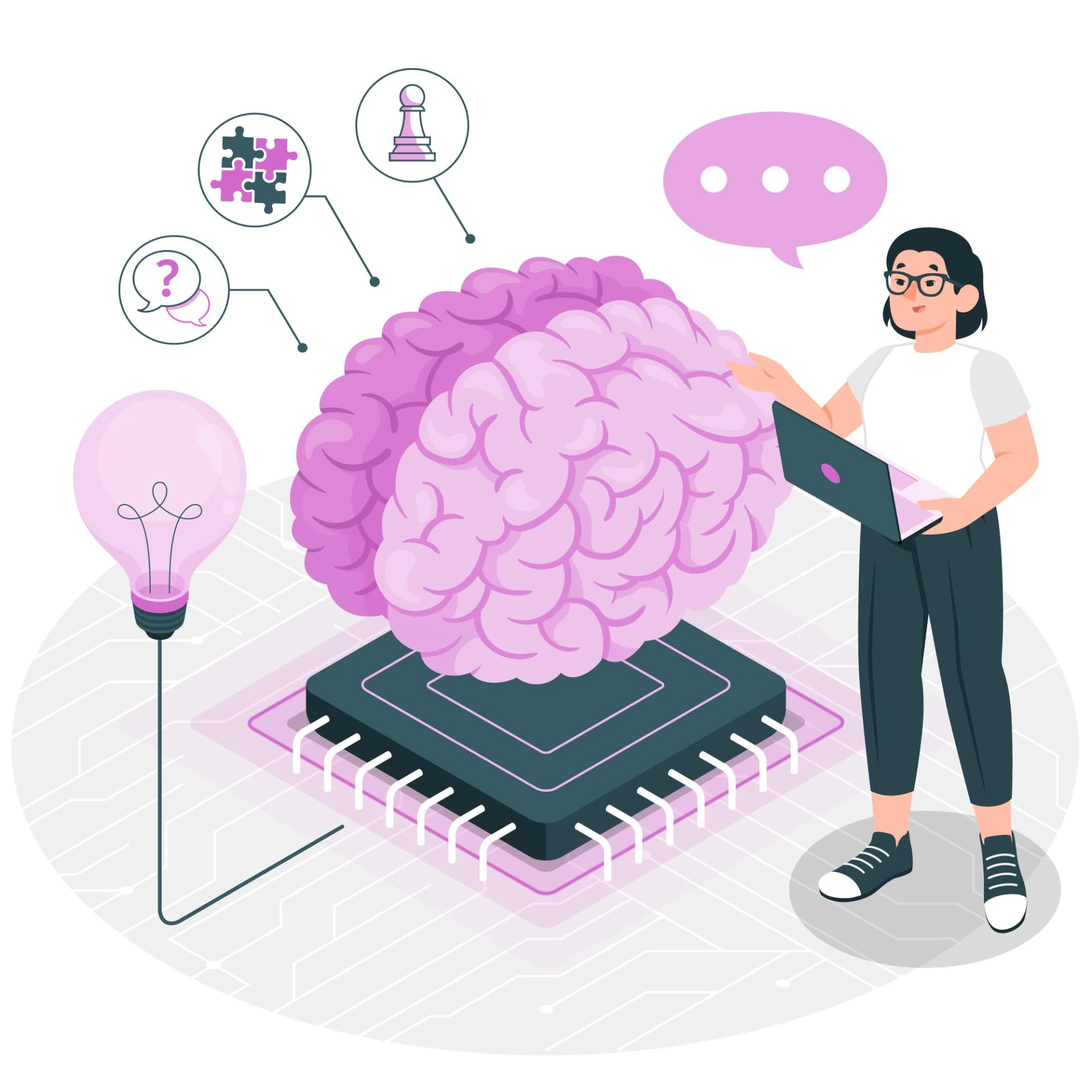

Enterprise storage administrators face an escalating challenge: managing increasingly complex Storage Area Network (SAN) environments while maintaining peak performance and minimizing downtime. Traditional reactive approaches to storage management—where issues are addressed after they impact operations—are becoming insufficient for modern data centers scaling from terabytes to petabytes.
The integration of artificial intelligence into SAN storage systems represents a fundamental shift toward proactive, self-healing infrastructure that can predict, prevent, and automatically resolve issues before they affect business operations. This comprehensive guide explores how AI-powered storage solutions are transforming enterprise data centers and provides practical strategies for implementing intelligent storage management in your environment.
Understanding Traditional SAN Limitations
Storage Area Networks have served as the backbone of enterprise data centers for decades, but their traditional management approaches reveal significant limitations as environments scale and business requirements evolve.
Reactive Management Paradigms
Traditional SAN management operates on a reactive model where problems are identified and resolved after they occur. This approach relies heavily on manual monitoring, threshold-based alerts, and human intervention to maintain storage performance and availability. Storage administrators typically spend significant time analyzing performance metrics, investigating capacity constraints, and manually optimizing configurations.
The reactive approach becomes increasingly problematic as SAN environments grow in complexity. Storage arrays from multiple vendors, diverse workload requirements, and interconnected dependencies create scenarios where seemingly minor issues can cascade into major outages. Organizations routinely face the challenge of scaling their storage infrastructure while maintaining operational efficiency.
Performance Bottlenecks and Scaling Challenges
Performance degradation often occurs when scaling efforts focus solely on capacity without considering I/O patterns and workload distribution. Many organizations discover that their storage arrays cannot deliver expected performance levels due to inadequate consideration of front-end connectivity, cache sizing, and controller capabilities.
Network bandwidth frequently becomes a limiting factor as storage capacity scales. Even high-speed Fibre Channel connections can become saturated when multiple high-performance storage arrays compete for bandwidth. This problem is particularly acute in environments with mixed workloads that have varying I/O characteristics.
Management Complexity and Human Error
Administrative overhead increases exponentially with the number of storage systems in the environment. Each additional storage array introduces new management interfaces, monitoring requirements, and backup considerations. Organizations often struggle to maintain consistent configuration standards across multiple arrays from different vendors.
Human error represents a significant risk factor in traditional SAN management. Manual configuration changes, zone management, and capacity planning decisions can introduce vulnerabilities or performance issues that may not manifest until critical moments. The complexity of modern storage environments makes it increasingly difficult for human administrators to maintain comprehensive understanding of all system interactions and dependencies.
The AI Revolution in SAN Storage
Artificial intelligence is transforming storage management from reactive troubleshooting to proactive optimization and self-healing capabilities. Modern AI-integrated SAN solutions leverage machine learning algorithms, predictive analytics, and automated remediation to create intelligent storage infrastructure that continuously optimizes itself.
Machine Learning-Driven Predictive Analytics
AI-powered storage systems utilize machine learning algorithms to analyze historical performance data, identify patterns, and predict future behavior. These systems can process vast amounts of telemetry data from storage arrays, switches, and host systems to build comprehensive models of normal operation and detect anomalies that indicate potential problems.
Predictive analytics capabilities enable proactive identification of failing components, capacity constraints, and performance bottlenecks before they impact operations. Advanced algorithms can correlate data across multiple storage systems to identify trends and potential issues that would be impossible for human administrators to detect manually.
Machine learning models continuously refine their accuracy by incorporating new data and feedback from previous predictions. This approach enables increasingly sophisticated analysis that adapts to changing workload patterns and infrastructure configurations.
Automated Remediation and Self-Healing
Self-healing storage systems extend beyond prediction to automatic remediation of identified issues. These systems can automatically adjust configurations, redistribute workloads, and implement corrective actions without human intervention. Common self-healing capabilities include automatic load balancing, proactive component replacement scheduling, and dynamic resource allocation based on predicted demand.
Advanced AI systems can orchestrate complex remediation sequences that involve multiple storage components and systems. For example, when predictive analytics identify an impending drive failure, the system can automatically initiate data migration, schedule replacement procedures, and adjust RAID configurations to maintain protection levels.
Intelligent Resource Optimization
AI-powered storage systems continuously optimize resource allocation based on real-time analysis of workload patterns and performance requirements. These systems can automatically implement tiering policies, adjust cache allocation, and optimize data placement to maximize performance while minimizing costs.
Dynamic workload analysis enables intelligent storage systems to predict resource requirements and proactively allocate capacity where needed. This approach eliminates the manual capacity planning cycles that traditionally consume significant administrative time and often result in over-provisioning or resource constraints.
Key Benefits of AI-Integrated SAN
Organizations implementing AI-powered SAN solutions report significant improvements in operational efficiency, cost optimization, and service reliability. These benefits compound as storage environments scale and workload complexity increases.
Proactive Issue Prevention
AI-integrated storage systems dramatically reduce unplanned downtime by identifying and resolving issues before they impact operations. Predictive analytics can detect subtle performance degradation patterns that indicate impending failures, enabling proactive maintenance that prevents outages.
Component failure prediction capabilities enable organizations to schedule maintenance activities during planned maintenance windows rather than responding to emergency situations. This approach minimizes business disruption while ensuring optimal system reliability.
Advanced monitoring and analysis capabilities provide comprehensive visibility into storage performance and health metrics. Storage administrators gain detailed insights into system behavior that enable more informed decision-making and strategic planning.
Enhanced Performance and Efficiency
Automated performance optimization continuously adjusts storage configurations to maintain optimal performance levels. AI systems can dynamically balance workloads, adjust caching strategies, and optimize data placement based on real-time analysis of access patterns and performance requirements.
Intelligent resource allocation eliminates the manual tuning typically required to maintain peak performance in complex storage environments. Systems automatically adapt to changing workload patterns and application requirements without administrative intervention.
Quality of service enforcement becomes more sophisticated with AI integration. Systems can automatically prioritize critical workloads, prevent resource contention, and ensure consistent performance levels even during peak demand periods.
Cost Optimization and Resource Efficiency
AI-powered capacity planning eliminates the over-provisioning that traditionally results from uncertainty about future growth patterns. Predictive analytics enable precise forecasting of capacity requirements based on historical trends and business projections.
Automated tiering policies move data between high-performance and capacity-optimized storage based on access patterns and business requirements. This approach significantly reduces costs while maintaining performance for active workloads.
Energy efficiency improvements result from intelligent power management and resource optimization. AI systems can automatically adjust power consumption based on workload requirements while maintaining performance and availability commitments.
Simplified Operations and Reduced Administrative Overhead
Automated configuration management ensures consistent application of organizational policies across all storage systems. AI systems can detect configuration drift, enforce security policies, and generate compliance reports required by regulatory frameworks.
Self-service capabilities enable application teams to provision storage resources through automated workflows that incorporate organizational policies and security requirements. This approach reduces administrative bottlenecks while maintaining governance and control.
Comprehensive reporting and analytics provide detailed insights into storage utilization, performance trends, and cost allocation. These capabilities enable more informed decision-making and strategic planning for future infrastructure investments.
Implementing AI in Your SAN Environment
Successful implementation of AI-powered storage solutions requires careful planning, phased deployment, and integration with existing infrastructure and operational processes. Organizations must consider technical requirements, organizational readiness, and change management strategies.
Assessment and Planning Phase
Begin with comprehensive assessment of current storage infrastructure, performance requirements, and operational processes. Identify specific pain points and use cases where AI capabilities can provide the greatest benefit. Common starting points include capacity planning, performance optimization, and proactive maintenance scheduling.
Evaluate existing storage systems for AI integration capabilities. Many modern storage arrays include built-in AI features, while others may require additional software or hardware components. Consider the total cost of ownership, including licensing, hardware, and operational requirements.
Develop a phased implementation strategy that enables gradual adoption of AI capabilities while minimizing disruption to existing operations. Start with non-critical workloads and gradually expand AI integration as experience and confidence grow.
Technology Selection and Integration
Choose AI-powered storage solutions that integrate seamlessly with existing infrastructure and management tools. Consider solutions that provide APIs for integration with existing IT service management systems and configuration management databases.
Evaluate vendor capabilities for ongoing support, training, and technology updates. AI technologies evolve rapidly, and vendor partnerships should include commitments to continuous improvement and feature development.
Plan for data migration and integration requirements. AI systems typically require historical performance data to build accurate predictive models. Ensure that data collection and integration processes are established before deploying AI capabilities.
Skills Development and Change Management
Invest in training programs that prepare storage administrators for AI-powered management paradigms. Focus on understanding AI capabilities, interpreting predictive analytics outputs, and managing automated systems.
Develop new operational processes that leverage AI capabilities while maintaining appropriate oversight and control. Establish procedures for reviewing automated decisions, handling exceptions, and maintaining governance standards.
Consider organizational change management strategies that help teams adapt to more proactive and automated approaches to storage management. Address concerns about job displacement by emphasizing how AI augments human capabilities rather than replacing them.
Monitoring and Optimization
Implement comprehensive monitoring systems that track AI performance, accuracy, and business impact. Establish metrics for measuring improvements in uptime, performance, and operational efficiency.
Continuously refine AI models based on operational experience and changing requirements. Regular model updates and parameter tuning ensure that AI systems remain effective as environments evolve.
Develop feedback loops that enable continuous improvement of AI capabilities. Capture lessons learned from automated decisions and incorporate insights into future system optimization.
Embracing the Future of Intelligent Storage
The integration of artificial intelligence into SAN storage solution represents more than a technological upgrade—it fundamentally transforms how organizations approach storage management and operations. AI-powered storage systems enable proactive, self-healing infrastructure that continuously optimizes performance while reducing administrative overhead and operational risks.
Organizations that embrace AI-integrated storage solutions position themselves for competitive advantage through improved operational efficiency, reduced costs, and enhanced service reliability. The shift from reactive to proactive storage management enables IT teams to focus on strategic initiatives rather than routine maintenance and troubleshooting.
The future of enterprise storage lies in intelligent systems that understand workload patterns, predict requirements, and automatically optimize configurations. By implementing AI capabilities systematically and strategically, organizations can build storage infrastructure that not only meets current requirements but adapts and evolves with changing business needs.
Ready to transform your storage infrastructure? Begin by assessing your current environment and identifying specific use cases where AI capabilities can provide immediate benefits. The journey toward intelligent, self-healing storage starts with understanding your organization's unique requirements and implementing solutions that align with your strategic objectives.


























Sign in to leave a comment.