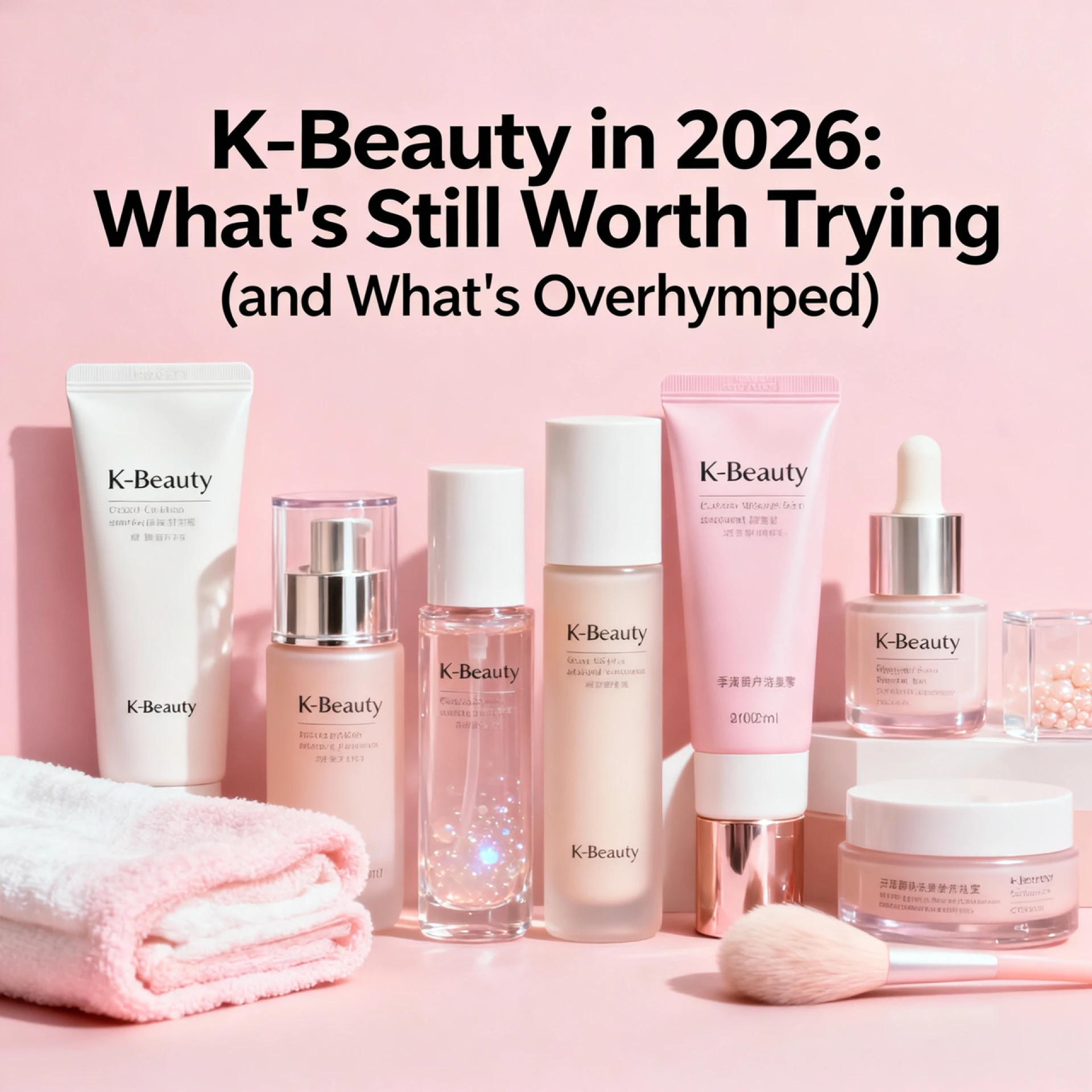

Let's be honest. At some point, most of us fell for the K-beauty hype. Maybe it was the glass skin videos on TikTok, or a friend who swore by her 10-step routine. Whatever pulled you in, Korean skincare has had a serious hold on the beauty world for years now. But it's 2026, and things have changed a little. Some of it is genuinely good. Some of it, not so much.
So let's talk about what actually holds up, and what you can probably skip.
The Stuff That's Still Worth Your Money
Double Cleansing
This one isn't going anywhere, and honestly, it shouldn't. The idea is simple: use an oil-based cleanser first to break down sunscreen and makeup, then follow up with a water-based cleanser for oily skin types to clear out the rest. It sounds like a lot, but once you try it, going back to a single wash feels wrong.
If you have oily or acne-prone skin, a good cleanser for oily skin in the second step makes a real difference. Look for something gentle with salicylic acid or centella asiaica. Your pores will thank you.
Sheet Masks (But Not Every Day)
Sheet masks went through a weird phase where everyone was using them daily like they were vitamins. They're not. But used a couple of times a week, they're a solid boost of hydration, especially if you're dealing with dry or stressed skin. The formulas have gotten much better, too. Brands are moving away from alcohol-heavy serums and using more skin-friendly actives now.
Sunscreen
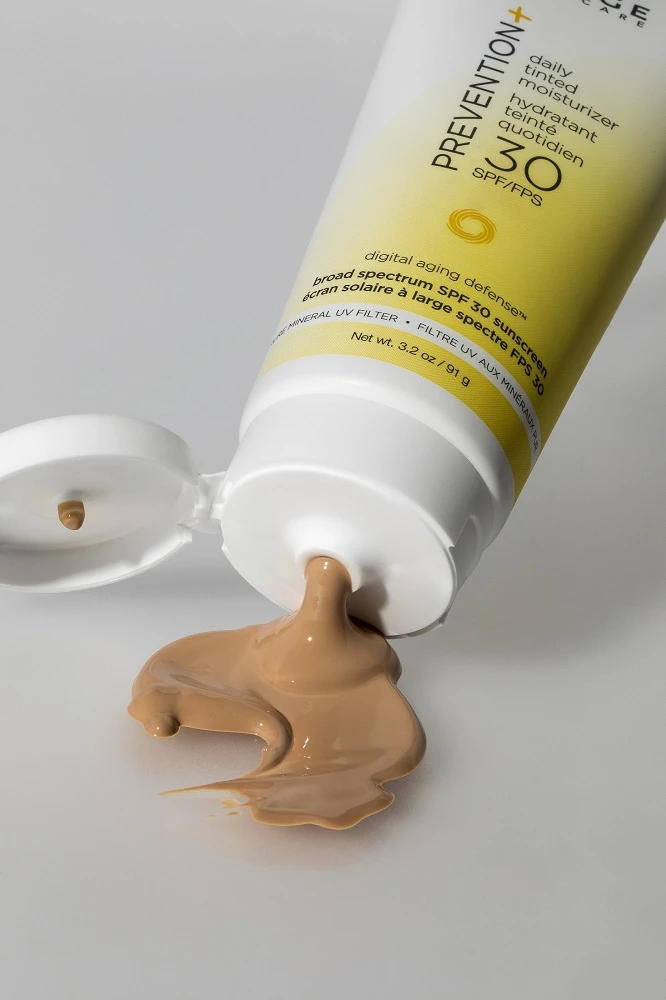
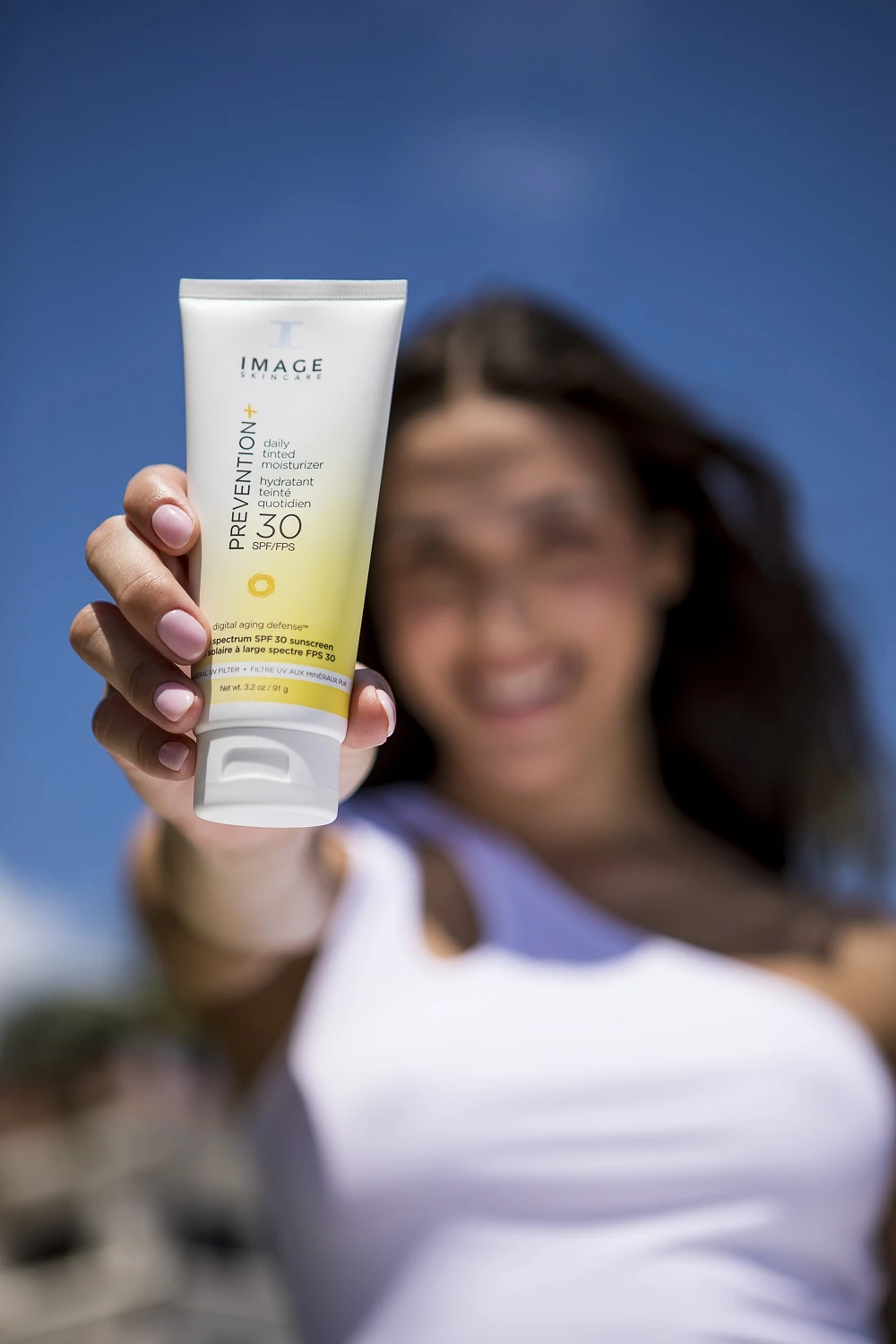
Possibly the biggest gift K-beauty ever gave the rest of the world. Korean sunscreens figured out how to make SPF feel like skincare rather than sunblock. They're lightweight, they layer well under makeup, and they don't leave that white cast that used to make sunscreen feel like a punishment. This is one category where Korean skincare products are genuinely ahead of most Western brands, even in 2026.
Essences
Essences sit between a toner and a serum, and they're still one of the best ways to prep your skin to absorb everything that comes after. The classic ones like fermented yeast extracts and niacinamide-heavy formulas have stuck around because they work. If you've never tried one, start here before spending money on fancier serums.
What's Getting a Little Overhyped
Snail Mucin Everything
Look, snail mucin does do something. It's a decent hydrating ingredient. But somewhere along the way, it became the answer to every skin problem, which it's not. You'll see it in cleansers, toners, serums, moisturisers, and eye creams. At a certain point, the marketing is doing more work than the ingredient. If you like it, keep using it. But don't buy it expecting miracles.
Extreme Layering Routines
The 10-step routine was always more of a framework than a rule, but a lot of people took it literally. Piling on product after product doesn't automatically mean better skin. In fact, for a lot of skin types, it causes more problems than it solves. Congestion, breakouts, sensitivity. Skincare products work better when you choose a few good ones and let them actually absorb.
Simpler is having a moment right now, and that's not a bad thing.
Trendy Ingredients That Come and Go
Every few months, there's a new hero ingredient taking over beauty posts. Rice. Propolis. Ginseng. Some of these are genuinely useful. Others are just riding a trend cycle. Before you buy into whatever is going viral this week, look at the actual concentration in the formula. A product can list an ingredient and include barely enough to matter.
A Few Things to Keep in Mind
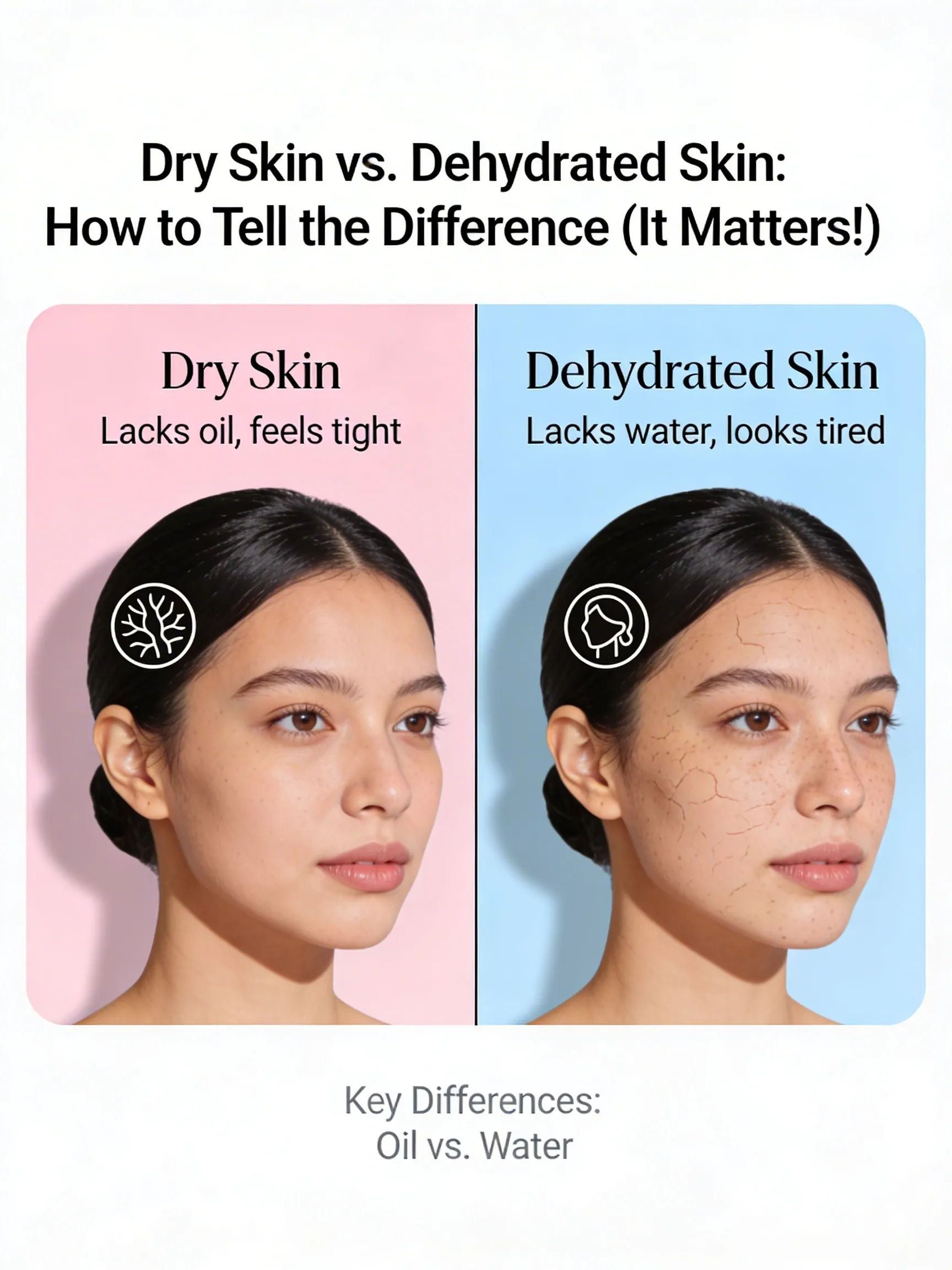
If you have dry skin, the best moisturiser for dry skin in the K-beauty world tends to be ceramide-based or uses ingredients like hyaluronic acid and beta-glucan. Avoid anything that feels tight after application, even if the packaging looks cute.
For oily skin types, a good cleanser for oily skin is still the foundation of everything. Get that right before you spend money on serums.
And if you're building a routine from scratch, you don't need 10 steps. A cleanser, a light essence or toner, a moisturiser, and sunscreen are honestly enough to start. Pick quality skincare products that suit your actual skin type rather than what's trending.
Final Thoughts
K-beauty is still relevant in 2026. It's just more mature now. The flashy trends have started to settle, and what's left is the stuff that was always solid. Good formulas, smart ingredients, and sunscreen. Always sunscreen.
The best approach is to ignore the viral noise and pay attention to your own skin. That's honestly the most Korean skincare advice anyone can give you.











Sign in to leave a comment.