Tires are a lot more sensitive to the weather than most people think. In a place like Oklahoma, where you can go from baking heat to a rainy cold front in the span of a week, that's even more true.
A tire that feels fine today may begin losing pressure, wearing unevenly, or responding differently within a few weeks as temperatures shift. That is why many drivers who already stay consistent with basic auto repair Tulsa OK visits also tend to watch tire condition more closely.
A little seasonal attention often makes daily driving smoother and helps avoid surprises when road conditions change.
Seasonal Pressure Changes Are Easy to Miss
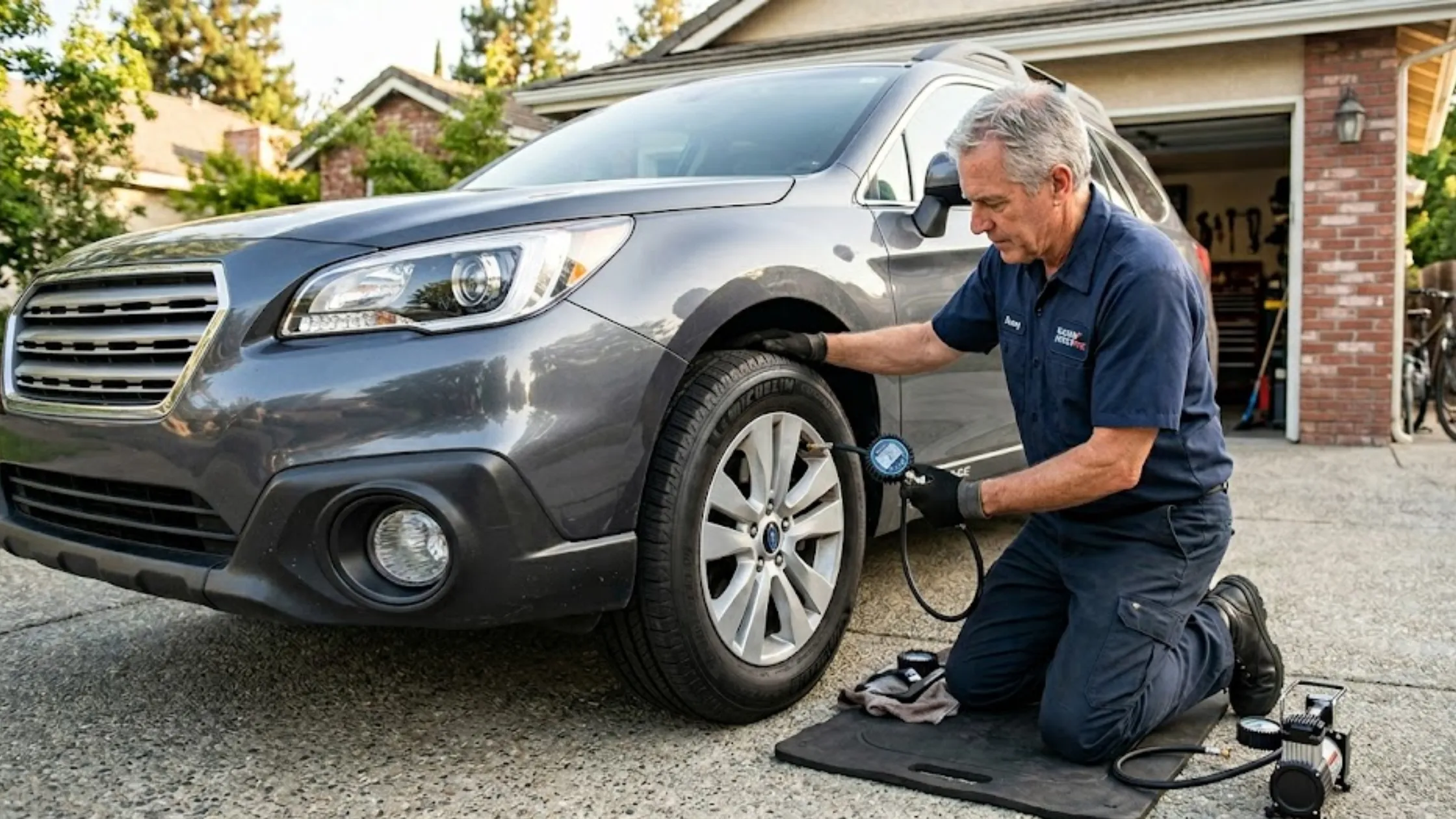
One of the most common tire issues starts with pressure. Air inside a tire expands in heat and contracts when temperatures drop, which means even normal weather changes can affect how the vehicle feels on the road.
A tire that was correctly inflated during a warm afternoon may read lower the next morning if temperatures drop overnight. This often happens during Oklahoma’s seasonal transitions, especially in spring and fall, when mornings and afternoons can feel very different.
Low pressure changes how the tire contacts the road. It increases rolling resistance, affects steering feel, and can cause faster wear along the outer edges. Overinflation creates a different problem by reducing contact with the road surface and making the center wear faster.
The easiest habit is checking pressure when tires are cold and comparing it with the recommended PSI listed inside the driver’s door, not the number printed on the tire sidewall.
Spring Wear
After the colder months, spring usually exposes issues that were easy to miss earlier. Rain becomes more frequent, potholes appear after road wear, and older tread problems become easier to feel while driving.
Wet roads make changes in how quickly a tire must move moisture away from its surface. If tread depth has worn down too far, the tire may struggle to stay planted during braking or lane changes.
Spring is often when steering vibration becomes easier to notice after winter road damage.
All those rough winter roads and hidden potholes can knock your alignment out of whack without you even realizing it. Even if it feels minor, a bad alignment can slowly damage one side of your tire tread faster than the other.
A quick look-over can save you a lot of trouble. Here is what to watch for:
Uneven tread wear: See if one side of the tire looks smoother than the rest.
Sidewall cracks or bulges: Check for any weird cracks or bulging "bubbles."
Steering pull: Pay attention to whether your steering wheel stays centred or pulls to one side.
Most of the time, these little red flags show up long before the tire actually looks "bald" or worn out.
Summer Heat
Summer heat can be a lot tougher on your tires than most people realize. Hot pavement changes how tires handle, especially when you're out on a long drive. Even if tire pressure seems normal, heat still builds inside the tire as road temperatures rise.
This is especially true on the highway, where higher speeds and longer distances keep that internal heat high for a long time. If you’re also hauling tools, luggage, or a full car of people, you’re putting even more stress on the tire's structure.
When you keep older rubber or worn-down tread in extreme heat, things can wear quickly:
- Sidewalls can start to soften or weaken.
- Tire pressure becomes less stable and harder to track.
- It can actually take you longer to come to a full stop.
Summer heat also makes older surface cracks easier to notice, especially on aging tires. We always check oil and coolant whenever we go for a long road trip, but we often overlook Tires if the tread looks okay. Rubber naturally hardens and loses its "grip" as it ages.
Fall Checks
As temperatures begin cooling again, fall becomes one of the easiest times to catch small tire issues before winter arrives.
Pressure usually starts dropping gradually, but tread condition also becomes easier to judge after months of summer driving. If a vehicle has developed slight pulling, a rough road feel, or irregular wear, this is often when it becomes noticeable.
Rotating tires actually makes a bigger difference than most people realize. Your front and rear tires rarely wear down at the same rate. If you’re commuting every day, front tires start showing wear on the edges much sooner than the ones in the back due to the braking and steering pattern.
Alignment should also be considered if:
- One side wears faster
- Steering feels slightly off-center
- The vehicle drifts without input
That is why many local automotive repair shops recommend checking tire wear together with suspension and alignment, before colder weather starts affecting traction.
Winter Grip
Oklahoma winters may not stay severe for long, but road conditions can change suddenly enough to affect traction.
Cold pavement reduces traction even before snow or ice appears. Most people don't realize that tire rubber naturally gets firmer when it's chilly out, which changes exactly how the car handles when you're braking or taking a corner.
A tire that felt solid all summer might suddenly feel a bit "loose" or less stable once the temperature drops, especially if your tread is already getting a little low.
Longer stopping distance is usually the first change drivers notice. The car might drive just fine, but you need a lot more road to come to a safe, controlled stop. This is where tread depth really earns its keep; those grooves are there to keep you in contact with the pavement when the road is cold, wet, or just a little slick.
It's a common mistake to think that if you can still see the tread, you're good to go. But once those grooves get shallow, it reduces stable road contact on wet or slushy surfaces.
Small Early Signs Appear Before Bigger Problems
Tires usually show early warning signs before a larger problem develops. Most of the time, the signs start small and are easy to ignore because the car feels "fine" for the most part.
Here are a few of those early signs to keep an ear and a hand out for:
- Vibration at certain speeds: Feeling a slight vibration that only pops up once you hit a certain speed.
- Heavier steering feel: The wheel feels a little heavier or less responsive than it used to.
- Pulling during braking: Noticing the car drift slightly to one side, especially when you’re braking.
- Repeated pressure loss in one tire: Having to top off the air in one specific tire more often than the others.
- Unusual road noise: Road noise that sounds different or louder than it did a few weeks ago.
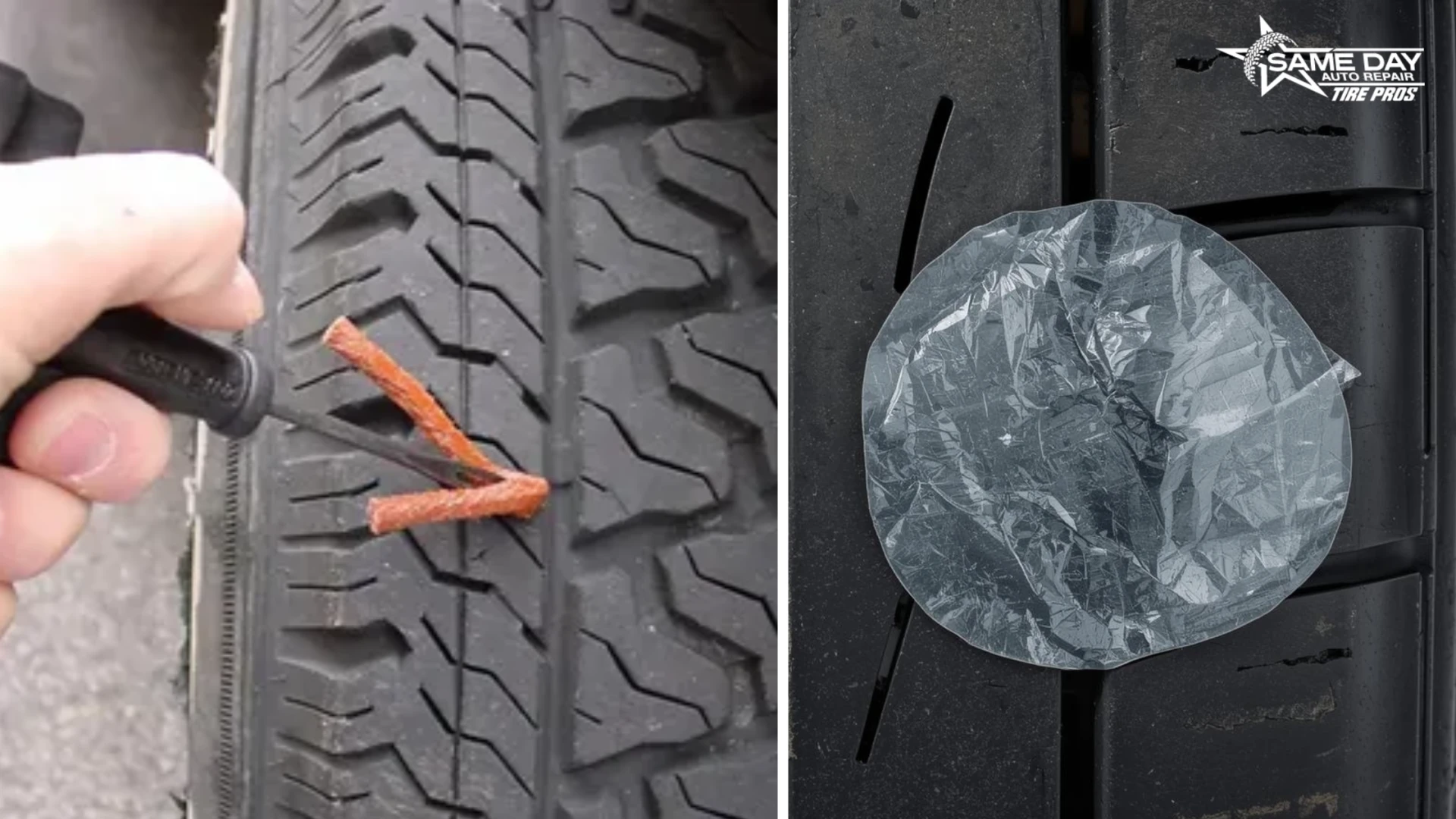
These symptoms don’t always mean your tire is ruined, but they are definitely a sign that something is affecting how the tires are wearing. For example, if one tire is always low, it might just be a faulty valve or a tiny nail rather than the tire being “worn out.”
The earlier these little changes are checked, the simpler and more affordable a fix can be.
Keep Tire Performance Steady Year-Round
Seasonal weather will always affect how tires behave, but small checks help prevent those changes from turning into larger problems. If you notice the car starting to feel just a little bit "off," working on it early is the best way to prevent uneven wear and save from a replacement you didn't really need yet.
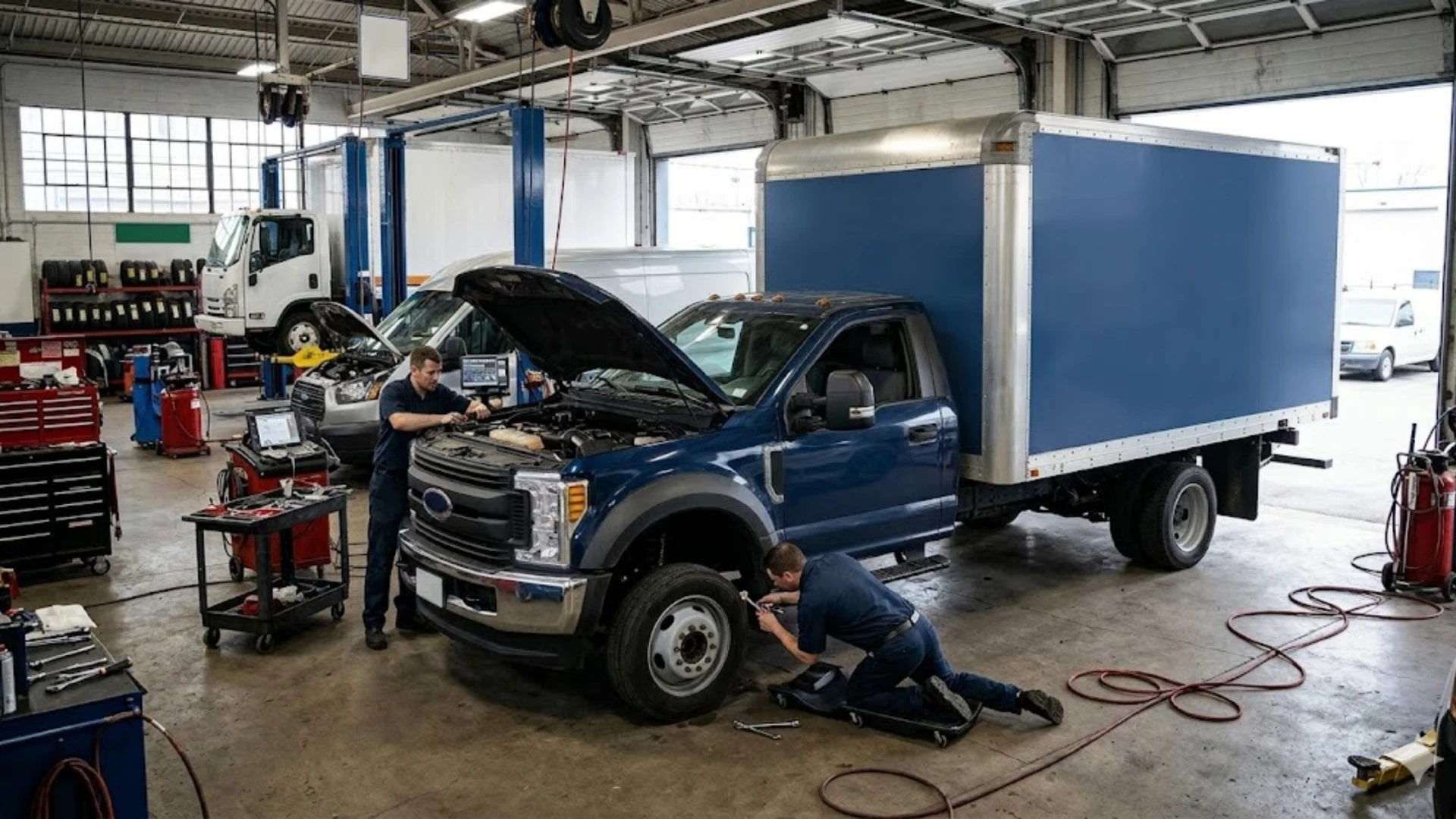
Even a simple check through tire repair Tulsa services can help catch issues before they affect comfort, handling, or braking during everyday driving.
























Sign in to leave a comment.