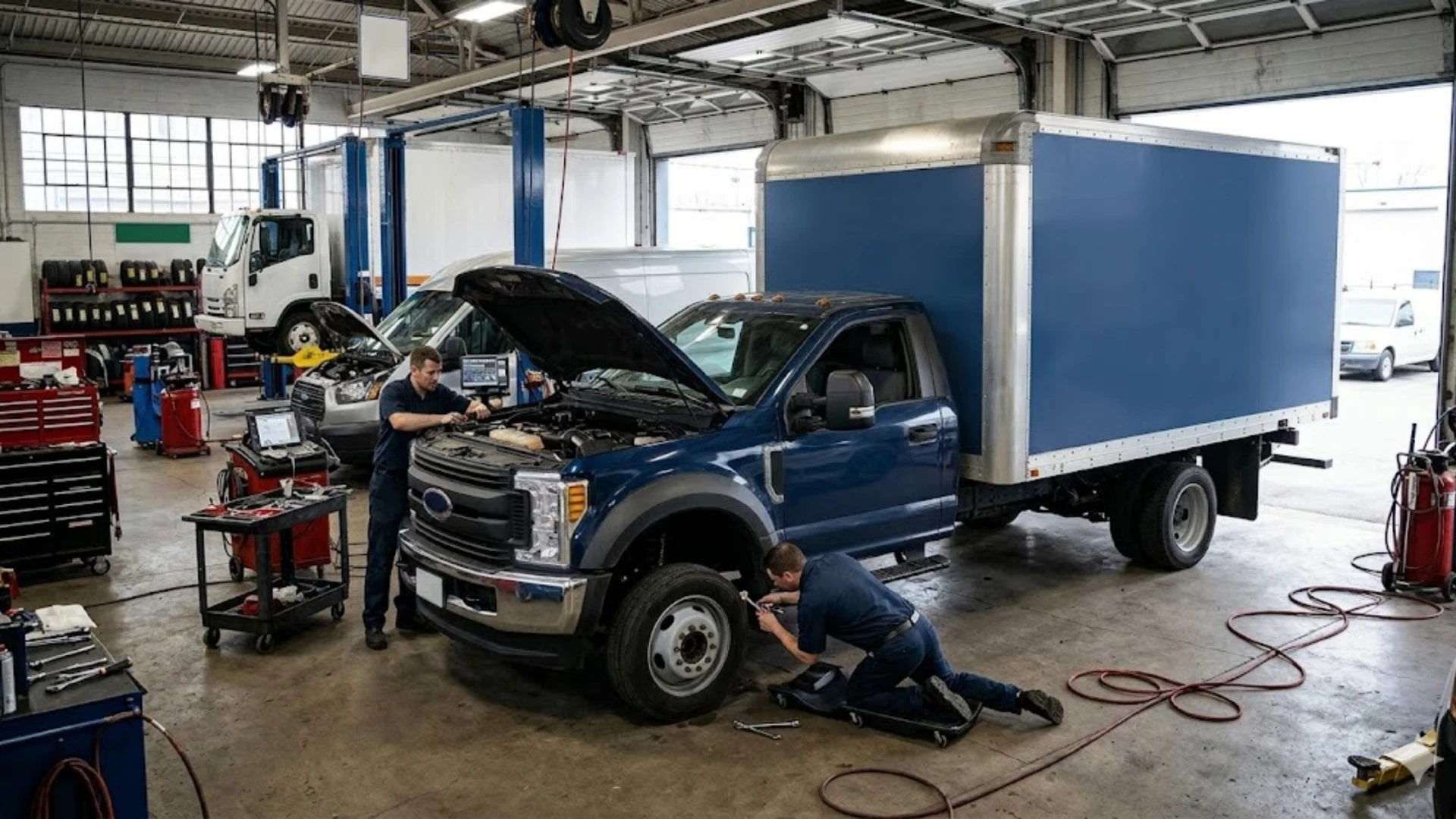
When a business depends on vehicles, one surprise breakdown can ruin the whole day's plan. A late delivery, a missed meeting, or a broken-down vehicle creates a chain of problems that costs much more than the repair bill. For companies with several vehicles, staying on top of maintenance isn't just about fixing parts; it’s about keeping the daily work moving along smoothly and reliably.
This constant use increases wear on key systems such as brakes, tires, batteries, and engine components. Because of this, tiny mechanical glitches can quickly blow up into major, expensive failures if they aren't caught early.
Smart fleet services help reduce these interruptions by making sure vehicles get attention before problems start affecting your work.
What Makes Fleet Repair “Smart”
Fleet repair is not only about fixing a vehicle after a breakdown. A smarter approach includes regular inspections, engine diagnostics, fluid checks, and replacing wear-prone parts based on mileage, condition, and manufacturer recommendations. Instead of waiting for a breakdown, technicians look at how each vehicle performs over time and suggest recommended service before performance begins to decline.
This method is great for businesses with several vehicles because it keeps maintenance organized. Service records also help you see patterns, like one vehicle needing brakes too often or another having battery trouble whenever the weather changes. When maintenance is planned carefully, you avoid surprise stops and make vehicles much more dependable.
The Hidden Cost of Vehicle Downtime
Many businesses only look at the repair bill, but the higher cost is often lost work time. When a vehicle is out of commission, work slows down, deliveries get moved, and employees waste time trying to fix the schedule.
For example, if a service vehicle breaks down during the day, another vehicle has to cover that route. This delays several appointments and puts pressure on everyone else. You might also waste fuel if vehicles aren't running right due to bad alignment, dirty filters, or engine issues. Over time, these small losses really add up.
Unexpected breakdowns also hurt customer trust. A missed delivery or late service call leaves a bad impression, especially if it happens more than once. This is why many businesses see repair planning as a way to stay efficient, not just a mechanical chore.
Parts of the Fleet You Can’t Ignore
Certain systems need extra attention because they keep the driver safe and the vehicle running.
- Brake Systems: Fleet vehicles stop and go constantly. Pads, rotors, and fluid should be checked often to make sure the vehicle can stop safely every time.
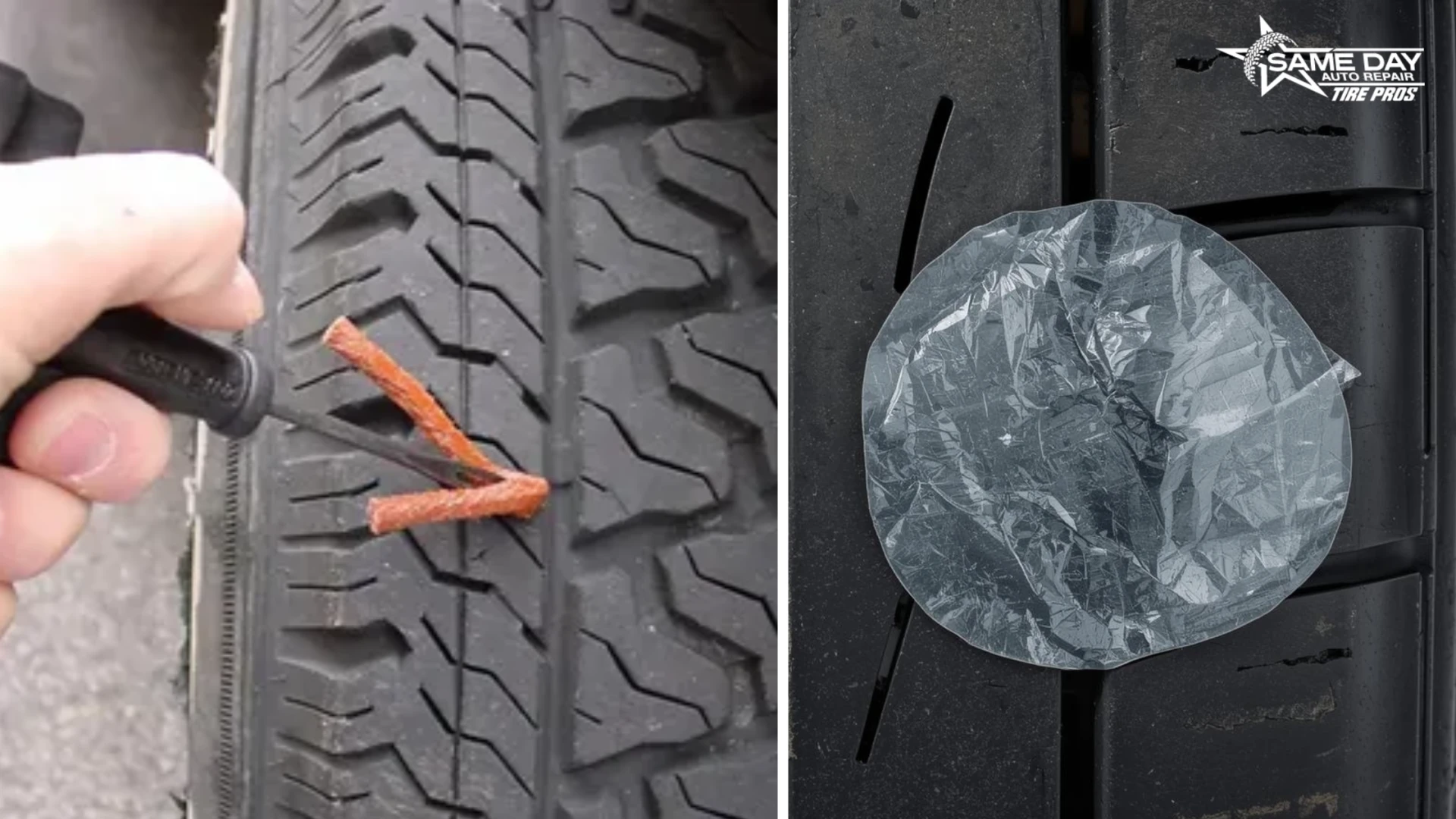
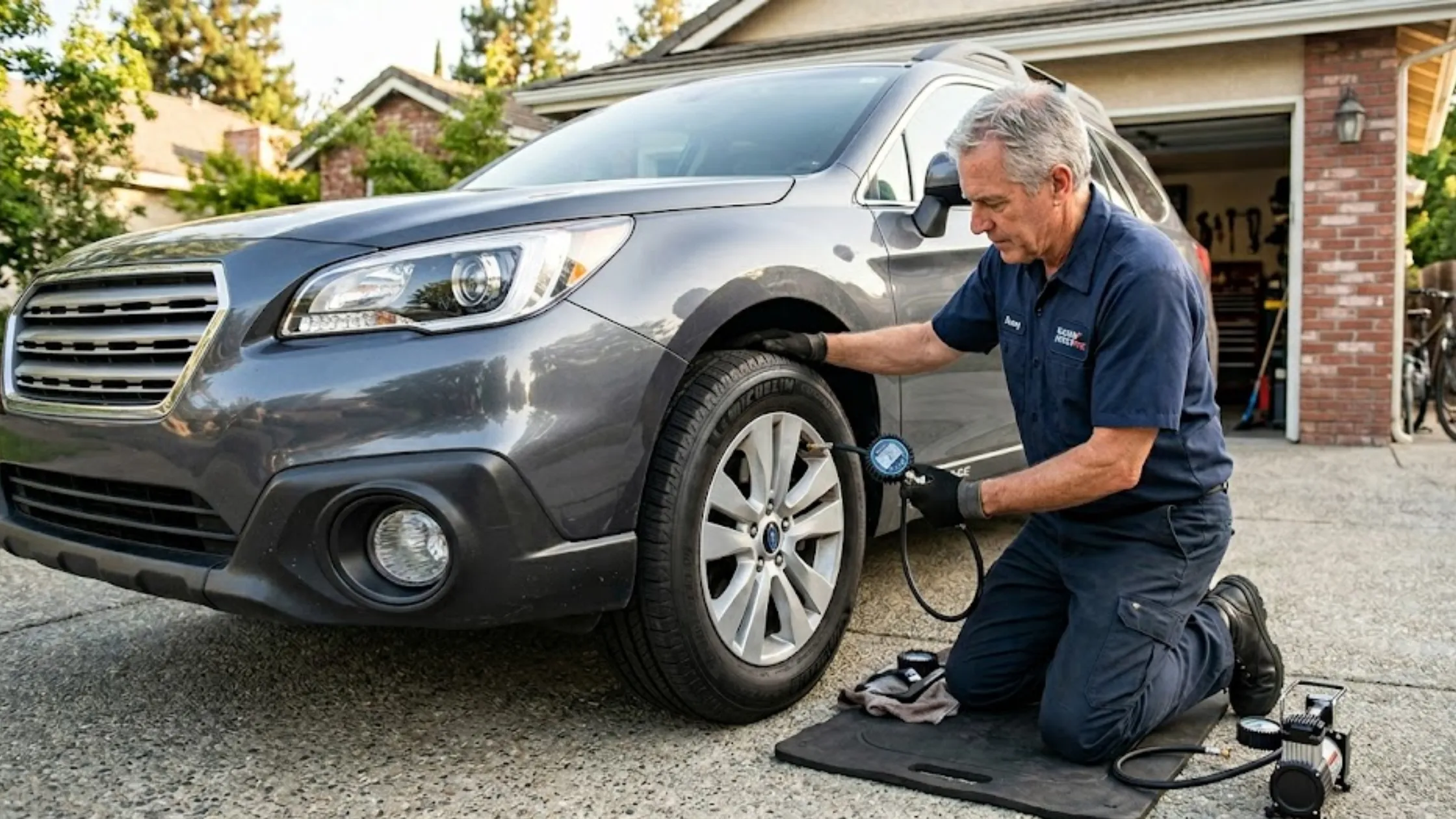
- Tires and Alignment: If tires wear down unevenly, it usually means the alignment is off. Bad tires make the vehicle use more gas and cost more to replace.
- Battery and Charging: Vehicles used every day need a strong battery. Weak batteries or alternator trouble usually show up as "hard starts" or strange electrical glitches.
- Engine Diagnostic: Modern cars use sensors to catch problems early. Checking them helps find out before a warning light points to a larger issue.
- Fluids and filters: Oil, coolant, and filters keep the engine running smoothly. Dirty fluids or clogged filters gradually reduce engine efficiency.
- Steering and Suspension: Constant driving puts stress on the suspension, especially if the vehicles are carrying heavy tools or cargo.
Focusing on these areas helps prevent sudden breakdowns during a busy workday.
Preventive Care vs Emergency Repairs
Regular maintenance almost always costs less than an emergency fix because you catch problems before parts fail.
For example, a worn belt is a cheap fix, but if it snaps while driving, it can damage surrounding engine components and cost a fortune. The same is true for ignoring leaks, old batteries, or dirty filters.
- Oil changes
- Brake checks
- Tire rotations
- Battery tests
- Filter changes
When you do these consistently, your vehicles become more predictable, and your budget is easier to manage.
Scheduling Service Without Slowing Work
One of the best parts of smart repair is better timing. Instead of sending all your vehicles for service at once, you can rotate them so your business keeps running. Such as:
- Tracking mileage helps you know exactly when each vehicle needs an inspection.
- Some businesses even plan service for slow days or "off" hours to minimize the impact.
- Vehicles that drive long routes might need more frequent checks than those that stay local.
- Also, seasonal changes matter; you’ll want to check batteries and cooling systems before summer heat or winter cold sets in.
Warning Signs Drivers Shouldn’t Ignore
Vehicles usually give you a "heads up" before a major problem happens. Common signs include:
- Dashboard warning lights
- Strange engine noises
- Vibrations while driving
- Reduced fuel efficiency
- Starting slowly
- Pulling to one side while braking
- Rough gear shifts
Drivers usually notice these things first, so telling a mechanic early helps catch the problem before it spreads. Even small changes in how a vehicle feels deserve a look when your business depends on it.
Why Expert Repairs Save Time Later
Fleet vehicles work much harder than personal cars, so repairs need to be done right the first time. Professional mechanics working within a fleet maintenance program use diagnostic tools to identify issues quickly and accurately. This gets the vehicle back on the road sooner.
Having clear service records also makes future visits easier because the mechanic can see exactly what was done before. For a business with many vehicles, this creates a reliable history and keeps the fleet on the road longer.
Planning for a Growing Business
As you add more vehicles, planning becomes even more important. What works for two vehicles might not work for ten. Every new vehicle means more maintenance and tracking requirements.
So, that is why not keeping clear records, you miss the service date or pay for the same repair twice. A simple plan based on miles and dates keeps a growing fleet organized and makes it easier to estimate your costs.
Keeping Daily Operations on Track
Strong operations depend on vehicles that are ready when needed, which is why consistent attention matters over occasional repairs.
Addressing operations early helps avoid delays, supports driver efficiency, and keeps daily responsibilities on schedule. When combined with a dependable auto repair shop, routine repair planning becomes a practical way to maintain business continuity and reduce avoidable disruptions over time.




























Sign in to leave a comment.