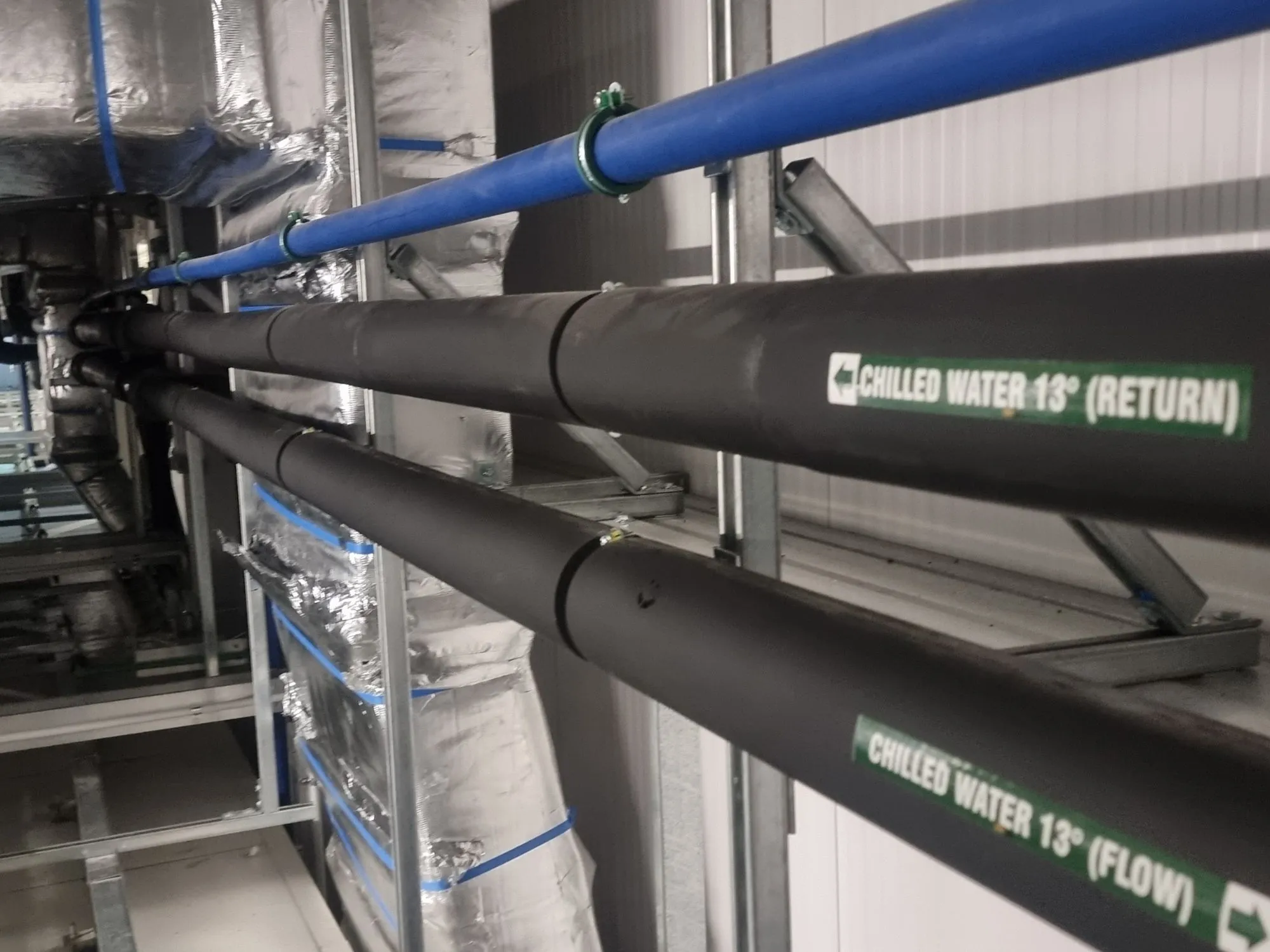

Installing a fluid chiller system is a critical decision for businesses that rely on consistent cooling for operations. Whether it’s for manufacturing, food processing, or HVAC applications, the right system ensures efficiency, reliability, and long-term cost savings. However, choosing and installing a chiller requires careful planning and evaluation.
This guide outlines the key factors you should consider before installing a fluid chiller system to ensure optimal performance and value.
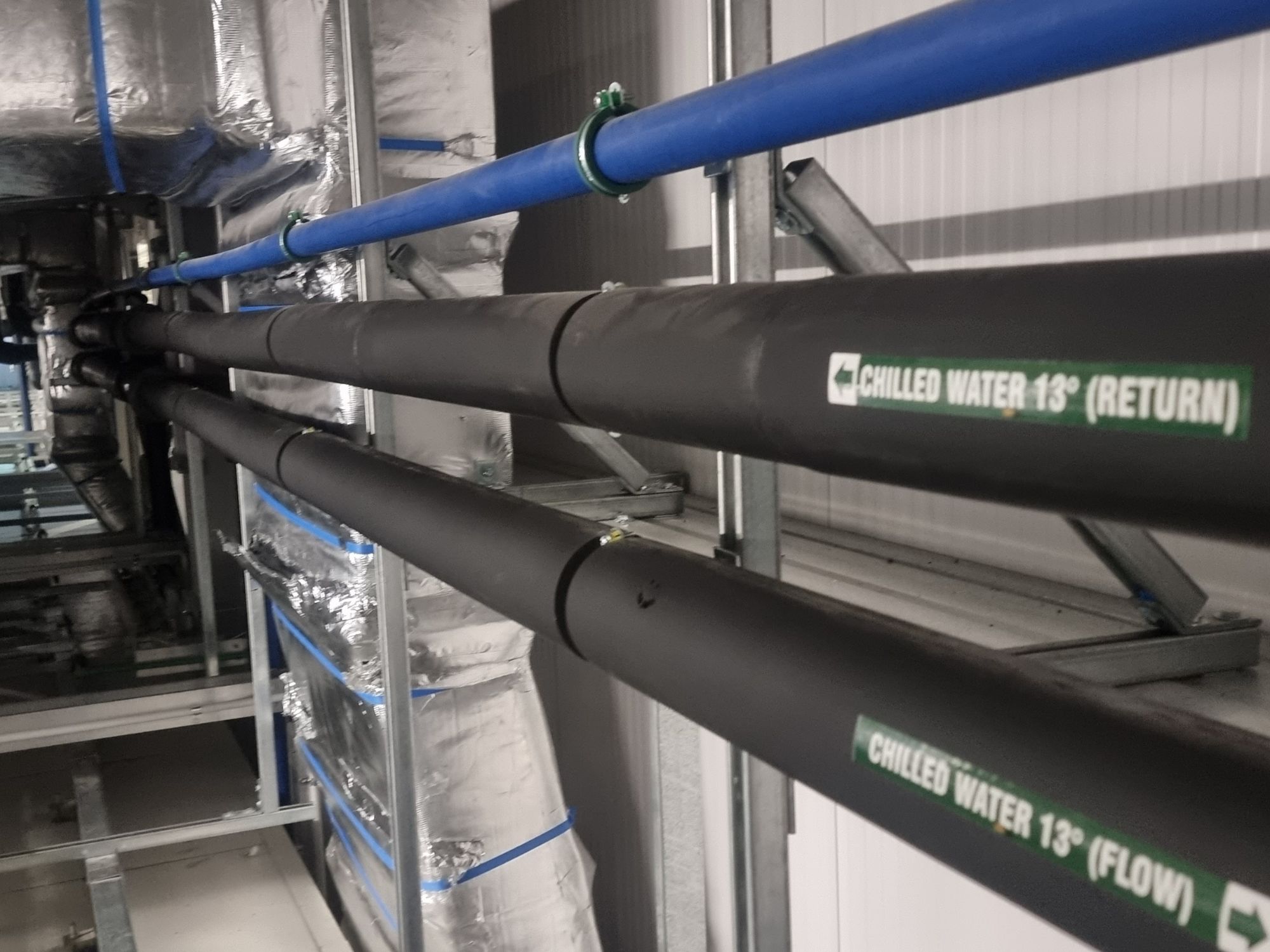
Understanding Your Cooling Requirements
Before selecting any system, it is essential to clearly define your cooling needs. Every application has unique demands, and choosing the wrong capacity can lead to inefficiency or system failure.
Key considerations include:
- Required cooling load
- Operating temperature range
- Type of process or equipment being cooled
- Environmental conditions
For example, industries with continuous operations may require a more robust liquid chiller system to handle higher loads efficiently.
Choosing the Right Type of Chiller
Fluid chillers come in different types, and selecting the correct one depends on your specific application.
Common Options:
- Air-cooled chillers
- Water-cooled chillers
- Glycol-based systems
Each type has its advantages. Air-cooled systems are easier to install, while water-cooled systems are often more efficient for large-scale operations. Planning the right water chiller installation ensures better long-term performance and energy savings.
Installation Location and Space Planning
The placement of your chiller system significantly impacts its performance and maintenance.
Important factors:
- Adequate ventilation for heat dissipation
- Accessibility for servicing and repairs
- Protection from environmental elements
- Availability of water and power supply
Poor placement can reduce efficiency and increase wear and tear on components, leading to higher operational costs.
Energy Efficiency and Operating Costs
Energy consumption is one of the biggest long-term costs associated with chiller systems. Choosing an energy-efficient model can significantly reduce operational expenses.
What to look for:
- High energy efficiency ratings
- Advanced control systems
- Variable speed compressors
- Proper insulation
An efficient liquid chiller not only lowers electricity bills but also supports sustainable business practices.
System Capacity and Scalability
Selecting the right capacity is crucial. An undersized system will struggle to meet demand, while an oversized unit can waste energy.
Consider:
- Current cooling demand
- Future expansion plans
- Peak load requirements
Scalable systems allow you to expand operations without needing a complete system replacement.
Maintenance and Service Requirements
Regular maintenance is essential for keeping your chiller system running efficiently. Before installation, understand the service requirements and availability of support.
Maintenance factors:
- Ease of access to components
- Availability of spare parts
- Frequency of servicing
- Professional support
Working with a reliable provider like Chillwell ensures timely maintenance and expert support, helping extend the lifespan of your system.
Installation Quality and Expertise
Even the best equipment can fail if it is not installed correctly. Professional installation plays a key role in system performance and durability.
Why professional installation matters:
- Ensures proper system setup
- Reduces risk of leaks and failures
- Improves energy efficiency
- Enhances system lifespan
Proper water chiller installation helps avoid costly issues and ensures the system operates at peak efficiency from day one.
Safety and Compliance Standards
Safety should never be overlooked when installing a fluid chiller system. Compliance with local regulations and industry standards is essential.
Key considerations:
- Electrical safety requirements
- Refrigerant handling regulations
- Environmental compliance
- Workplace safety standards
Adhering to these standards protects both your equipment and your workforce.
Conclusion
Installing a fluid chiller system involves more than just selecting equipment. It requires careful evaluation of cooling needs, system type, efficiency, installation quality, and long-term maintenance.
By considering these key factors, businesses can ensure reliable performance, reduced operational costs, and long-term success. A well-planned installation not only improves cooling efficiency but also enhances overall productivity.
Frequently Asked Questions (FAQs)
1. What is a fluid chiller system used for?
A fluid chiller system is used to remove heat from processes or equipment, maintaining consistent temperatures in industrial and commercial applications.
2. How do I choose the right chiller size?
You should calculate your cooling load based on your application, including heat output, operating conditions, and future expansion needs.
3. What is the difference between air-cooled and water-cooled chillers?
Air-cooled chillers use air to dissipate heat, while water-cooled systems use water for higher efficiency, especially in large-scale operations.
4. How often should a chiller system be maintained?
Regular maintenance is recommended every 3 to 6 months, depending on usage and operating conditions.
5. Why is professional installation important?
Professional installation ensures correct setup, prevents system failures, improves efficiency, and extends the lifespan of the chiller system.




























Sign in to leave a comment.