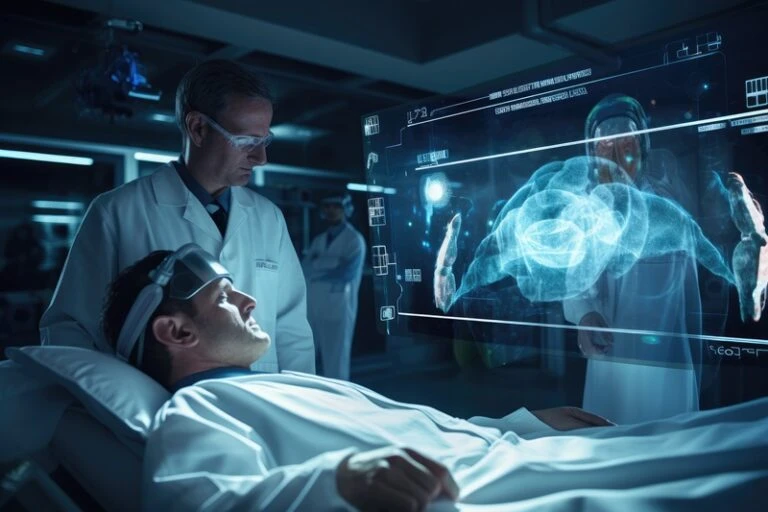

Building a modern critical care ecosystem requires more than just skilled clinicians—it demands intelligent, connected systems that extend expertise beyond physical ICU walls. A Virtual ICU enables centralized monitoring, faster decision-making, and improved patient outcomes by leveraging advanced technologies. Organizations like NIAC are helping healthcare providers adopt this model by integrating digital tools with clinical workflows, making remote critical care both scalable and efficient.
Advanced Telemedicine Infrastructure for Remote Critical Care Monitoring
At the core of a virtual critical care setup lies a robust telemedicine framework. High-definition video conferencing systems, real-time audio communication, and secure data transmission channels allow intensivists to monitor patients from remote command centers. These systems ensure seamless communication between bedside staff and remote specialists, enabling timely interventions without delays. Low-latency networks and redundant connectivity are essential to maintain uninterrupted access, especially in high-acuity scenarios.
Key components include:
- High-definition cameras and audio systems for real-time interaction
- Secure, low-latency communication networks
- Centralized monitoring hubs for remote specialists
- Backup connectivity systems to avoid downtime
AI-Powered Clinical Decision Support Systems in Intensive Care
Artificial intelligence plays a transformative role in modern ICUs by analyzing large volumes of patient data to identify patterns and predict complications. Machine learning algorithms can detect early signs of sepsis, respiratory failure, or cardiac instability, allowing clinicians to act proactively. Decision support tools also reduce cognitive load on healthcare professionals by providing evidence-based recommendations, improving both efficiency and patient safety.
Benefits of AI integration:
- Early detection of critical conditions
- Reduced human error in diagnosis
- Faster clinical decision-making
- Continuous learning from patient data
Real-Time Patient Data Integration and Interoperability Solutions
A successful setup depends on the seamless integration of multiple data sources, including electronic health records (EHRs), bedside monitors, ventilators, and infusion pumps. Interoperability standards ensure that data flows smoothly across systems, providing clinicians with a unified view of the patient’s condition. Centralized dashboards aggregate this information, enabling faster clinical assessments and more informed decisions.
Midway through implementation, the importance of a Virtual ICU becomes even more evident as hospitals begin to experience improved coordination among care teams. By consolidating patient data and enabling remote oversight, healthcare facilities can optimize resource utilization and extend critical care expertise to underserved areas.
Core integration features:
- Unified dashboards for patient monitoring
- Seamless EHR and device connectivity
- Real-time alerts and notifications
- Standardized data exchange protocols
Secure Cloud Computing and Data Storage for Healthcare Systems
Cloud technology is a backbone of virtual critical care, offering scalable storage and computing power for handling vast amounts of patient data. Secure cloud platforms ensure compliance with healthcare regulations while enabling real-time data access from anywhere. Encryption, multi-factor authentication, and role-based access controls are critical to maintaining data privacy and protecting sensitive patient information.
Cloud advantages include:
- Scalable data storage solutions
- Remote accessibility for healthcare teams
- Enhanced data security and compliance
- Cost-effective infrastructure management
High-Performance Analytics and Predictive Monitoring Tools in ICU
Predictive analytics tools enhance patient care by identifying trends and forecasting potential complications. These tools analyze historical and real-time data to generate actionable insights, helping clinicians prioritize interventions. Advanced visualization techniques, such as heat maps and trend graphs, make it easier to interpret complex datasets and respond quickly to changes in patient status.
Analytics capabilities:
- Real-time trend analysis
- Risk prediction for critical events
- Data-driven treatment planning
- Visual dashboards for quick insights
Smart Medical Devices and IoT Integration in Critical Care Units
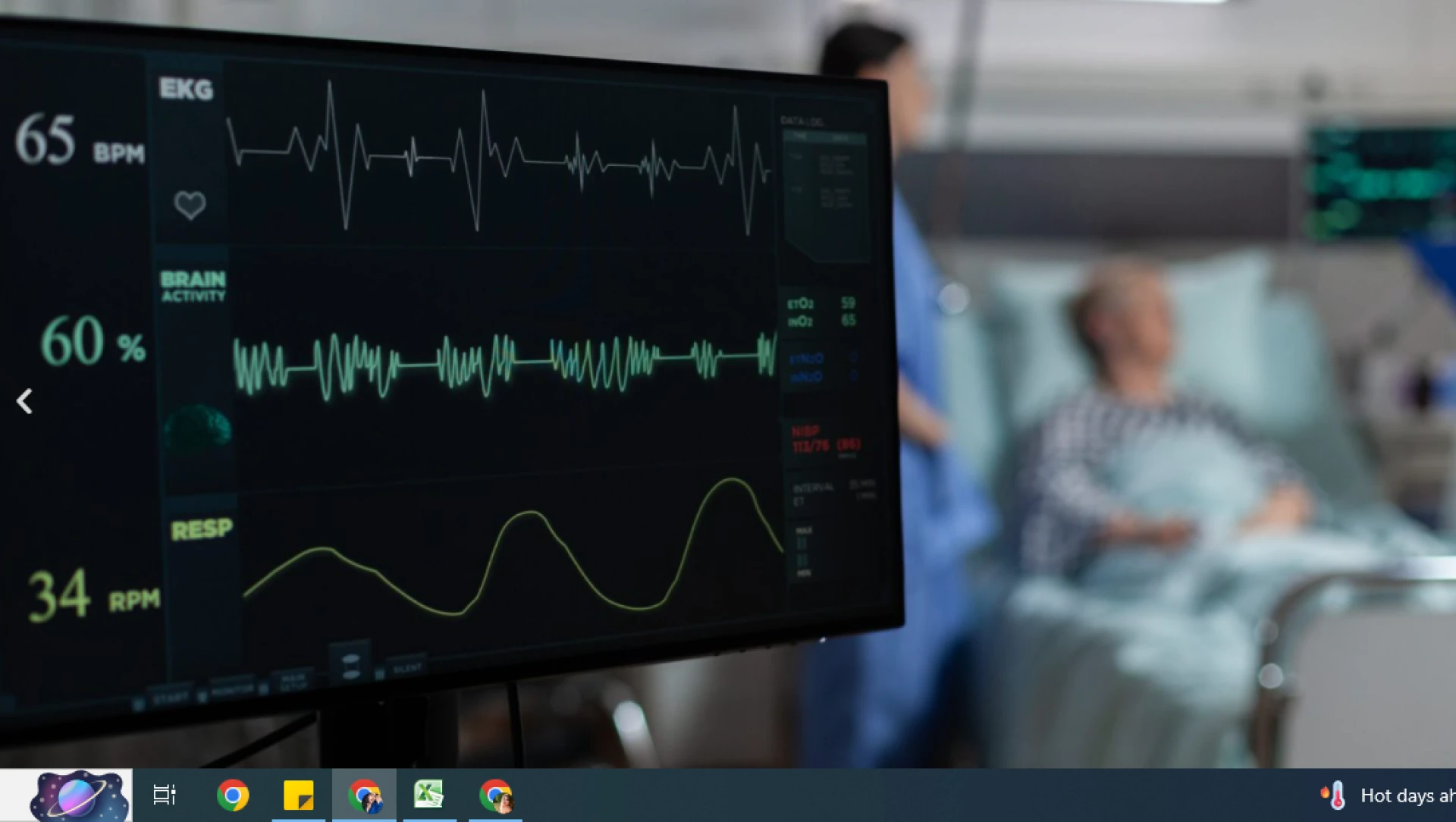
The integration of Internet of Things (IoT) devices has revolutionized patient monitoring. Smart sensors and connected medical devices continuously collect and transmit data, reducing the need for manual documentation and minimizing errors. Automated alerts notify clinicians of critical changes, ensuring rapid response and improving overall care quality.
IoT-driven improvements:
- Continuous patient monitoring
- Automated data collection
- Reduced manual workload
- Instant alerts for critical conditions
Cybersecurity Frameworks for Protecting Virtual Healthcare Environments
As healthcare systems become more digitized, cybersecurity becomes a top priority. Comprehensive security frameworks protect against data breaches, ransomware attacks, and unauthorized access. Regular system audits, staff training, and advanced threat detection tools are essential components of a secure virtual care environment.
Security essentials:
- End-to-end data encryption
- Multi-factor authentication
- Regular security audits
- Advanced threat detection systems
Conclusion
The success of a Virtual ICU depends on the seamless integration of advanced technologies, from AI-driven analytics to secure cloud infrastructure and IoT-enabled devices. By adopting these innovations, healthcare providers can deliver high-quality critical care beyond traditional boundaries, ensuring better outcomes and more efficient use of resources.
























Sign in to leave a comment.