

Introduction to Printed Circuit Board Assembly
In today's technology-driven world, printed circuit board assembly plays a crucial role in the manufacturing of electronic devices. From smartphones and laptops to medical equipment and industrial machinery, PCB assembly ensures that electronic components are accurately placed and connected to create fully functional products.
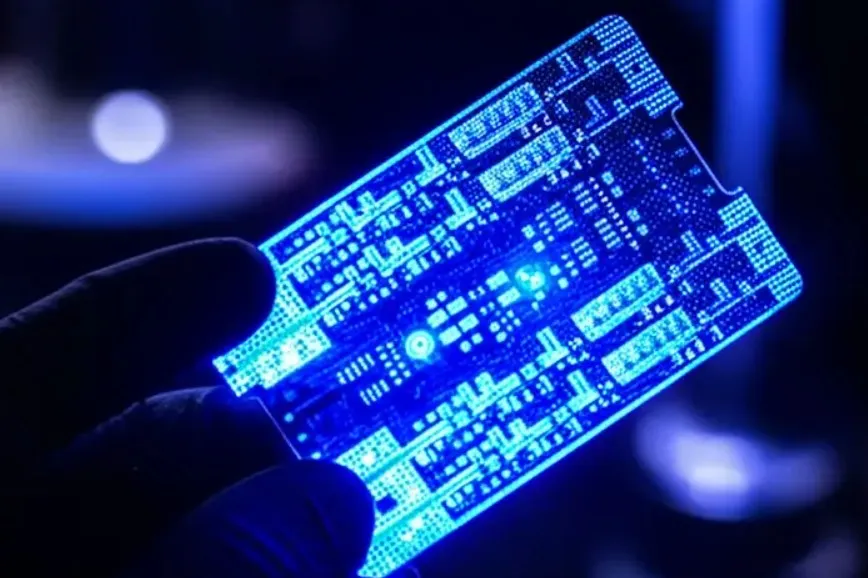
A printed circuit board (PCB) serves as the foundation of an electronic device, while the assembly process involves mounting and soldering electronic components onto the board. This combination transforms a bare PCB into a working electronic circuit.
What Is Printed Circuit Board Assembly?
Printed circuit board assembly is the process of attaching electronic components such as resistors, capacitors, integrated circuits, and connectors onto a printed circuit board. The goal is to create a complete electronic system capable of performing specific functions.
The assembly process requires precision, advanced equipment, and strict quality control measures to ensure reliability and performance. Depending on the design and application, PCB assembly can involve manual techniques or highly automated production lines.
Key Steps in the PCB Assembly Process
1. Solder Paste Application
The first step involves applying solder paste to designated areas of the PCB where components will be mounted. A stencil ensures precise placement of the paste.
2. Component Placement
Automated pick-and-place machines position electronic components onto the board according to the circuit design. High-speed equipment ensures accuracy and efficiency.
3. Reflow Soldering
Once the components are placed, the PCB passes through a reflow oven. The heat melts the solder paste, creating secure electrical and mechanical connections.
4. Inspection and Quality Control
Inspection methods such as Automated Optical Inspection (AOI) and X-ray testing help identify defects, missing components, or soldering issues before final production.
5. Functional Testing
The completed assembly undergoes testing to verify that all circuits function correctly and meet performance requirements.
Benefits of Professional Printed Circuit Board Assembly
Choosing a reliable printed circuit board assembly provider offers several advantages:
- High manufacturing accuracy
- Faster production timelines
- Improved product reliability
- Reduced assembly errors
- Cost-effective large-scale production
- Compliance with industry standards
Professional assembly services help businesses bring products to market more efficiently while maintaining consistent quality.
Applications of Printed Circuit Board Assembly
PCB assembly is used across a wide range of industries. Consumer electronics rely on assembled circuit boards for smartphones, tablets, and gaming devices. The automotive industry uses PCBs in navigation systems, sensors, and electric vehicle controls.
Medical devices such as diagnostic equipment and monitoring systems also depend on high-quality PCB assemblies. Additionally, aerospace, telecommunications, industrial automation, and defense sectors require advanced PCB assembly solutions for mission-critical applications.
Factors to Consider When Choosing a PCB Assembly Partner
Selecting the right manufacturing partner is essential for project success. Consider factors such as:
- Industry experience
- Quality certifications
- Testing capabilities
- Production capacity
- Lead times
- Technical support
A trusted provider can help optimize design, reduce production risks, and ensure superior product performance.
Conclusion
Printed circuit board assembly is a vital process that powers modern electronic innovation. By combining precision manufacturing, advanced technology, and rigorous quality control, PCB assembly transforms electronic designs into reliable products. Whether for consumer electronics, medical devices, automotive systems, or industrial equipment, high-quality PCB assembly remains a key component of successful electronic manufacturing.


























Sign in to leave a comment.