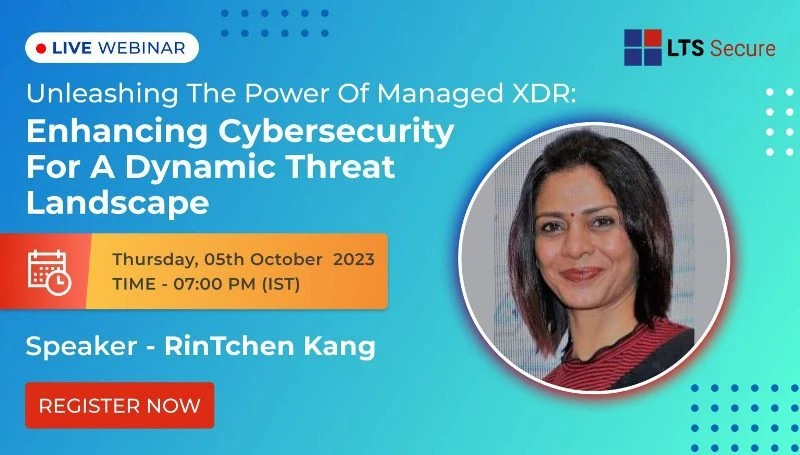

Open XDR vs SIEM: Balancing Resources and Business Risk for Effective Threat Management
Introduction:
In an ever-evolving landscape of cyber threats, businesses are faced with the constant challenge of finding the right solution to enhance their security posture. Two contenders have emerged as top choices: Open XDR and SIEM. Both offer unique advantages, but it's crucial to match resources and business risk with the right solution. In this article, we will delve into the world of best solutions,best platform, managed XDR, and SIEM solutions to help you make an informed decision for robust threat management.
Understanding XDR Solutions:
XDR solutions (eXtended Detection and Response) have garnered significant attention in recent years, as they offer a comprehensive approach to threat detection and response. Combining inputs from multiple sources such as endpoint, network, cloud, and more, XDR platforms provide an integrated view of your security landscape, allowing for quicker and smarter incident response.
The Power of Managed XDR:
Enter managed XDR, a game-changer in threat management. By outsourcing the monitoring and management of XDR platforms to a dedicated team of experts, businesses can tap into a wealth of experience and expertise without straining internal resources. This proactive approach ensures that incidents are identified, analyzed, and resolved swiftly, minimizing the potential impact on your business.
The Role of SIEM Solutions:
SIEM (Security Information and Event Management) solutions have long been the go-to for threat management due to their ability to collect, analyze, and correlate security logs in real-time. SIEM solutions provide valuable insights into security incidents and can help businesses meet compliance requirements. However, they often require significant investment in terms of resources and expertise to effectively manage and maintain.
Matching Resources and Business Risk:
When it comes to selecting the right solution for your organization, aligning resources and business risk is critical. While SIEM solutions offer granular visibility and long-standing reliability, they may not be cost-effective for smaller businesses or those with limited security teams. On the other hand, XDR solutions, coupled with managed XDR services, can provide an adaptable and scalable solution that meets your specific business requirements while freeing up internal resources to focus on core activities.
The Perfect Synergy:
Instead of viewing Open XDR and SIEM as competing solutions, it's important to realize their synergistic potential. By integrating these technologies, businesses can harness the power of both approaches to achieve a well-rounded threat management strategy. Open XDR, with its ability to combine diverse security inputs, can complement the centralized visibility and compliance capabilities offered by SIEM Tools.
Conclusion:
In the fast-paced world of cybersecurity, organizations must carefully evaluate their threat management needs to counter evolving risks effectively. XDR solutions, XDR platforms, managed XDR, and SIEM solutions all have their unique advantages when it comes to threat detection and response. By matching resources and business risk with the right solution, businesses can enhance their security posture and stay one step ahead of cyber threats. Whether you opt for Open XDR, SIEM, or a combination of the two, it's crucial to take a proactive and holistic approach to protect your digital assets.

























Sign in to leave a comment.