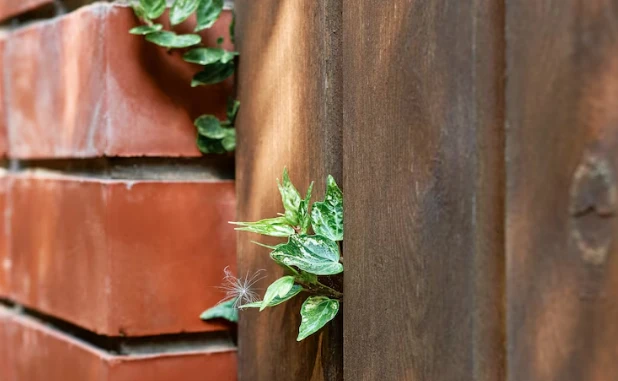

Landscaping plays a major role in protecting the exterior of your home. While plants, shrubs, and garden features enhance curb appeal, poor landscaping choices can expose siding to excessive moisture, pests, and physical damage. In humid climates like Florida, this risk becomes even more significant.
Water accumulation near exterior walls, overgrown vegetation, and poor drainage systems can cause siding materials to deteriorate faster. By using smart landscaping practices, homeowners can reduce moisture exposure, prevent structural damage, and extend the life of their siding.
This guide explores practical landscaping tips that help protect siding while keeping your outdoor space attractive and functional.
Why Landscaping Affects Siding Health
Many homeowners focus on siding materials but overlook how landscaping impacts their durability. Improper yard design can direct water toward exterior walls or trap moisture around siding panels.
Common Landscaping Issues That Affect Siding
- Soil is graded toward the house instead of away from it
- Plants or shrubs touching siding surfaces
- Overwatering garden beds near exterior walls
- Mulch piled too high against the siding
- Poor drainage is causing standing water
When these issues are not addressed, moisture can seep behind siding panels, leading to mold, rot, or structural deterioration.
Maintain Proper Distance Between Plants and Siding
One of the most effective ways to protect siding is to ensure that landscaping elements are not too close to exterior walls.
Plants that grow directly against siding trap moisture and restrict airflow, which encourages mold growth and material deterioration.
Recommended Plant Spacing
- Small shrubs: At least 12–18 inches from siding
- Medium shrubs: 2–3 feet away from walls
- Trees: 6–10 feet away, depending on root spread
- Climbing plants: Avoid attaching directly to siding
Maintaining adequate spacing allows airflow to dry moisture quickly and prevents branches from scratching or damaging siding surfaces.
Control Moisture With Proper Yard Drainage
Poor drainage is one of the most common causes of siding damage. Water that collects around the foundation can seep into siding panels or trim areas.
Effective Drainage Solutions
- Grade the soil so water flows away from the home
- Install French drains in areas prone to water pooling
- Use gravel or permeable landscaping materials to improve water absorption
- Extend downspouts several feet away from the house
- Install drainage channels for heavy rainfall areas
Proper drainage prevents water from lingering around the base of your siding and protects both siding and foundation.
Table: Landscaping Practices That Protect Siding
| Landscaping Practice | Purpose | Benefit for Siding |
| Proper Plant Spacing | Prevents plants from touching walls | Reduces moisture buildup |
| Soil Grading | Directs water away from the house | Prevents water infiltration |
| Drainage Systems | Removes excess water | Protects siding and foundation |
| Controlled Irrigation | Limits overwatering | Prevents prolonged moisture exposure |
| Regular Trimming | Keeps vegetation away from walls | Prevents scratches and pest access |
Choose Plants That Require Less Water
Some plants require frequent watering, which can increase moisture levels near siding. Selecting drought-tolerant or low-water landscaping plants reduces the risk of excessive moisture around exterior walls.
Recommended Landscaping Plants
- Native Florida plants with low water requirements
- Ornamental grasses that require minimal irrigation
- Drought-resistant shrubs
- Small decorative trees with controlled root systems
These plants reduce watering needs while maintaining a visually appealing landscape.
Use Mulch Carefully Around Exterior Walls
Mulch is excellent for retaining soil moisture and improving plant health, but improper use can harm siding.
If mulch is placed too close to the house, it can trap moisture against siding panels and create a breeding ground for pests.
Mulch Best Practices
- Keep mulch at least 6–12 inches away from siding
- Maintain a mulch depth of 2–3 inches only
- Avoid piling mulch against trim or foundation walls
- Replace old mulch regularly to prevent mold growth
These simple practices help keep moisture levels balanced around your home’s exterior.
Install Hardscape Barriers Near Siding
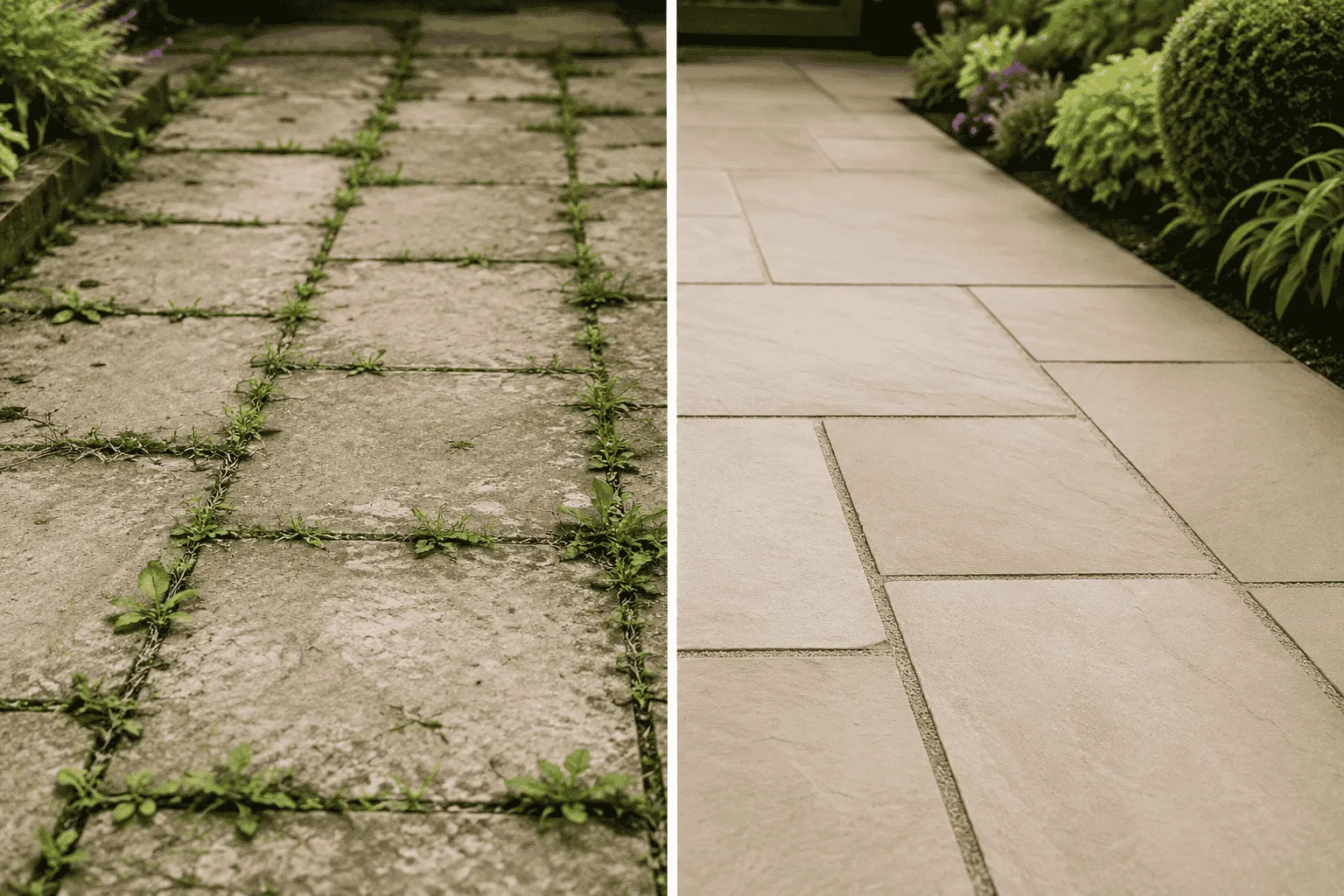
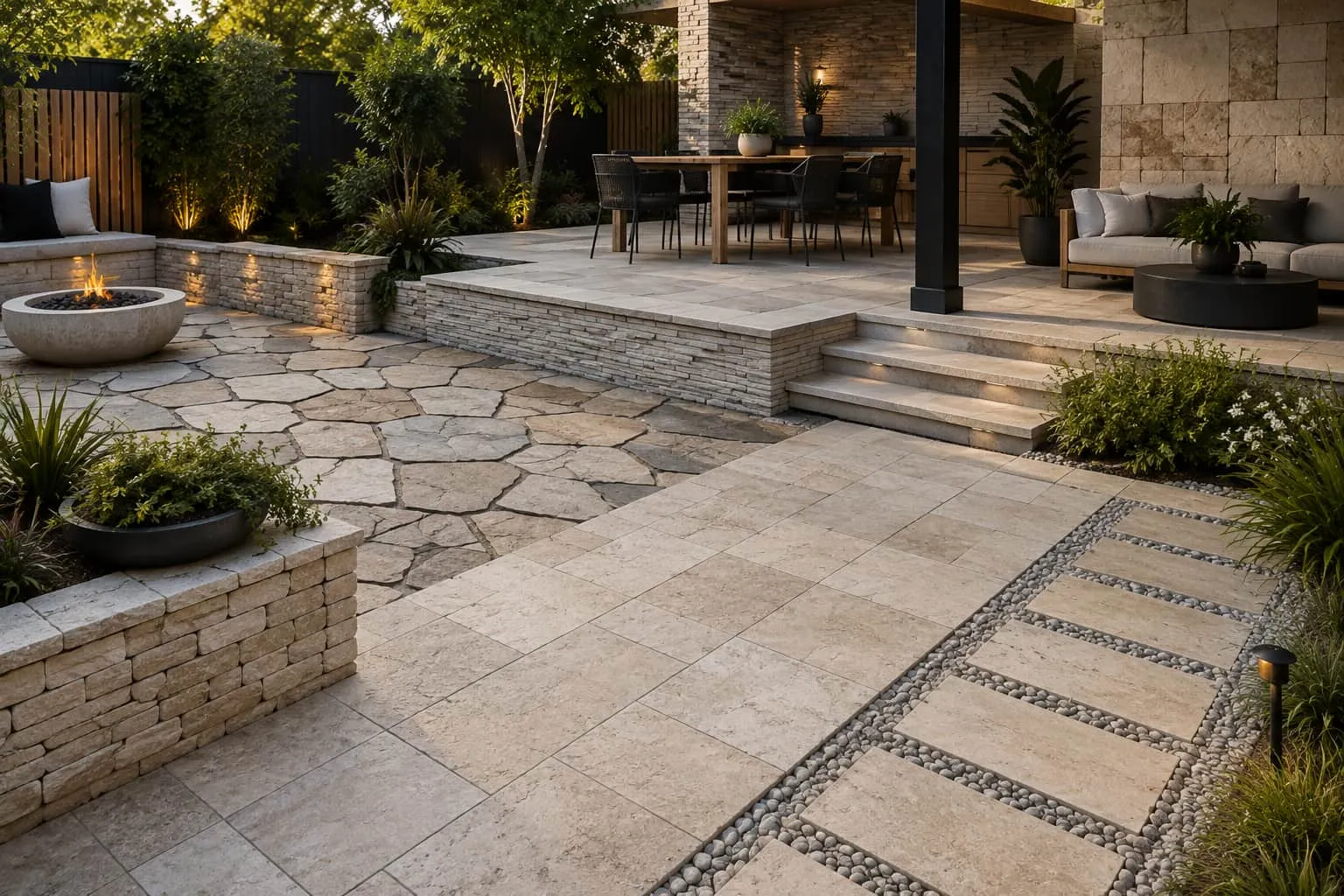
Hardscape elements such as gravel strips, stone borders, or pavers can act as protective barriers between landscaping and siding.
These features reduce soil splash during rainstorms and prevent plants from growing too close to exterior walls.
Benefits of Hardscape Barriers
- Prevents mud and debris from splashing onto the siding
- Improves drainage around foundation areas
- Creates a clean and organized landscape design
- Reduces maintenance near exterior walls
A small gravel border along the base of the house can significantly reduce moisture exposure to siding.
Maintain Gutters and Downspouts
Gutters and downspouts are closely connected to landscaping and siding protection. When gutters overflow or become clogged, water can run down siding surfaces and damage exterior materials.
Gutter Maintenance Tips
- Clean gutters at least twice per year
- Check for sagging or misaligned sections
- Ensure downspouts extend several feet away from the home
- Install gutter guards to reduce debris buildup
Proper water management protects both siding and landscaping from excessive moisture.
Trim Trees and Branches Regularly
Trees can enhance shade and curb appeal, but branches that touch siding can cause damage over time.
During storms or high winds, branches may scrape siding surfaces or trap moisture against exterior walls.
Tree Maintenance Tips
- Trim branches that grow within several feet of the siding
- Remove dead or weak branches that could fall during storms
- Avoid planting large trees too close to the home
- Monitor root growth that could affect foundation stability
Routine tree maintenance helps prevent physical damage and improves overall landscape safety.
Manage Irrigation Systems Properly
Automated irrigation systems are convenient, but poorly positioned sprinkler heads can spray water directly onto siding. Constant moisture exposure from irrigation can accelerate mold growth and siding deterioration.
Irrigation Best Practices
- Aim sprinklers away from the home’s exterior walls
- Use drip irrigation systems for garden beds
- Adjust watering schedules based on weather conditions
- Inspect sprinkler heads regularly for misalignment
Efficient irrigation protects siding while conserving water and maintaining healthy landscaping.
Prevent Pest Activity Near Siding
Landscaping that sits too close to exterior walls can create hiding places for pests such as termites, ants, or rodents. These pests may damage siding materials or enter the home through small gaps.
Pest Prevention Landscaping Tips
- Keep vegetation trimmed and away from siding
- Avoid wood mulch near foundation areas
- Remove fallen leaves or organic debris regularly
- Inspect exterior walls for pest entry points
Maintaining a clean and well-spaced landscape discourages pest activity and protects siding.
Seasonal Landscaping Maintenance
Regular seasonal maintenance ensures landscaping continues to support siding protection.
Seasonal Checklist
Spring
- Inspect drainage systems after winter rains
- Trim shrubs and trees
- Refresh mulch and check spacing
Summer
- Monitor irrigation systems
- Remove overgrown plants near the siding
- Inspect for moisture buildup
Fall
- Clear leaves and debris from landscaping beds
- Inspect gutters and drainage paths
Winter
- Check for soil erosion around foundation areas
- Plan landscaping improvements for the next season
Routine care helps prevent landscaping issues from affecting siding performance.
Conclusion
Landscaping and siding protection go hand in hand. Proper plant spacing, effective drainage, controlled irrigation, and regular maintenance all help reduce moisture exposure and prevent damage to exterior siding.
Simple landscaping improvements can significantly extend the life of siding while keeping your property attractive and functional. By managing water flow, maintaining vegetation, and creating protective barriers, homeowners can protect their investment and reduce long term repair costs.
For homeowners seeking expert siding solutions and exterior protection, Armour Sliding & Soffit provides professional installation and maintenance services designed to withstand Florida’s demanding climate while keeping homes safe, durable, and visually appealing.
FAQs
1. Can landscaping really damage siding?
Yes. Poor drainage, overgrown plants, and excessive moisture near exterior walls can cause siding deterioration, mold growth, and structural damage.
2. How far should plants be from siding?
Small shrubs should be at least 12–18 inches away, while larger plants or trees should be several feet from exterior walls.
3. Does mulch affect siding health?
Mulch can trap moisture against the siding if placed too close. Keeping mulch several inches away from the wall helps prevent moisture buildup.
4. Do gutters affect siding protection?
Yes. Properly functioning gutters direct water away from the home, preventing moisture damage to siding and foundation areas.
5. What landscaping feature helps protect siding the most?
Proper drainage systems and correct plant spacing are two of the most effective ways to protect siding from moisture and damage.




























Sign in to leave a comment.