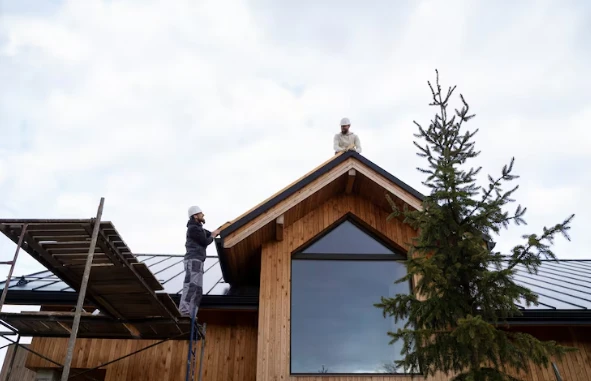

Best Time of Year to Install Siding in Florida
Why Fall Often Offers the Smoothest Siding Replacement Experience
A quiet afternoon. The sun is still warm, but the air feels lighter than it did in July. You walk around your home and notice something that’s been bothering you for months: the siding looks faded, maybe a little warped in spots. A few boards feel soft when pressed.
You’ve probably thought about replacing it before. But the question always comes back: When is the right time to do it?
In Florida, timing matters more than many homeowners realize. Between humidity, intense summer heat, sudden storms, and hurricane season, exterior work is not just about scheduling convenience. It is about choosing a season that allows materials to perform correctly and installers to work safely and efficiently.
For many homeowners across Pasco, Pinellas, and Hillsborough counties, fall consistently stands out as the best time of year to install siding in Florida.
Key Takeaways
• Fall weather provides stable conditions that help siding materials install properly.
• Contractor availability is often better, avoiding peak-season delays.
• Dormant landscaping reduces damage risk during construction.
• Upgrading siding before winter improves insulation and protection.
Why Timing Matters More in Florida
Siding does more than make a house look finished. It acts as a protective shell against moisture, wind-driven rain, and humidity. In Florida’s climate, that protection is especially important.
If siding is installed during extreme heat or unstable weather, materials can expand, contract, or seal improperly. Adhesives, caulking, and moisture barriers rely on stable conditions to perform correctly.
According to data shared by the U.S govt., proper insulation and air sealing can reduce heating and cooling costs by up to 15%.
That means siding upgrades are not just cosmetic. They directly influence your home’s efficiency and protection.
Why Fall Is Often the Best Time for Siding Replacement
Fall hits a rare balance between weather, contractor schedules, and homeowner convenience.
1. Moderate Temperatures Help Materials Perform Properly
Many siding materials expand and contract depending on temperature.
Vinyl siding, for example, can warp or flex in extreme heat. Fiber cement panels require careful spacing and sealing to account for climate movement.
Fall’s moderate temperatures allow installers to:
• cut and position siding precisely
• secure fasteners without heat distortion
• allow adhesives and caulking to cure correctly
Stable temperatures reduce the risk of long-term issues like buckling or cracking.
2. Lower Humidity Helps Sealants Set Correctly
Florida summers bring intense humidity. When moisture levels are high, sealants and adhesives may take longer to cure.
In fall, humidity levels often decrease slightly, creating better conditions for:
• weather-resistant barriers
• exterior caulking
• moisture sealing around windows and trim
This contributes to longer-lasting installation results.
3. Landscaping Is Less Vulnerable
During siding installation, crews work around the perimeter of your home. That means ladders, materials, and tools are frequently near gardens, shrubs, and flower beds.
In fall, many plants enter a dormant phase. This reduces the chance of long-term damage.
With simple preparation, such as pruning shrubs and clearing space, landscaping can be protected much more easily than during active growing seasons.
A Simple Framework for Choosing the Best Time
Homeowners often focus only on weather. But the timing decision actually involves several factors working together.
The Four Timing Factors
| Factor | Why It Matters | What to Consider |
|---|---|---|
| Weather conditions | Extreme heat or storms delay work | Mild seasons reduce installation issues |
| Contractor availability | Busy seasons mean longer wait times | Fall often has more openings |
| Your household schedule | Construction affects daily routines | Choose a time with fewer events |
| Damage urgency | Severe damage may require immediate repair | Do not delay if water intrusion exists |
What Most Homeowners Get Wrong
Many people assume summer is the best time for exterior projects. It feels logical. The weather is sunny and people are already thinking about home upgrades.
But summer in Florida brings its own problems.
Common Misconceptions
Myth: Summer is ideal for siding installation.
Reality: High heat and humidity can complicate installation.
Myth: Waiting until spring is safer.
Reality: Spring is often the busiest season, meaning longer wait times.
Myth: Timing does not matter if the siding is high quality.
Reality: Even the best materials perform poorly if installed in unstable conditions.
As architect Frank Lloyd Wright once said:
“Quality means doing it right when no one is looking.”
In siding installation, timing is part of doing it right.
A Familiar Homeowner Scenario
Imagine noticing peeling paint on your siding in late summer. At first it seems cosmetic. But after a heavy rain, you notice moisture stains along the trim.
You schedule an inspection.
The contractor finds early-stage wood rot beneath the siding panels. Fortunately, the damage has not reached the framing.
Because the project starts in early fall, the installation moves smoothly. Temperatures are moderate, storms are minimal, and the crew finishes ahead of schedule.
By winter, your home has new siding, improved insulation, and stronger moisture protection.
That is the advantage of good timing.
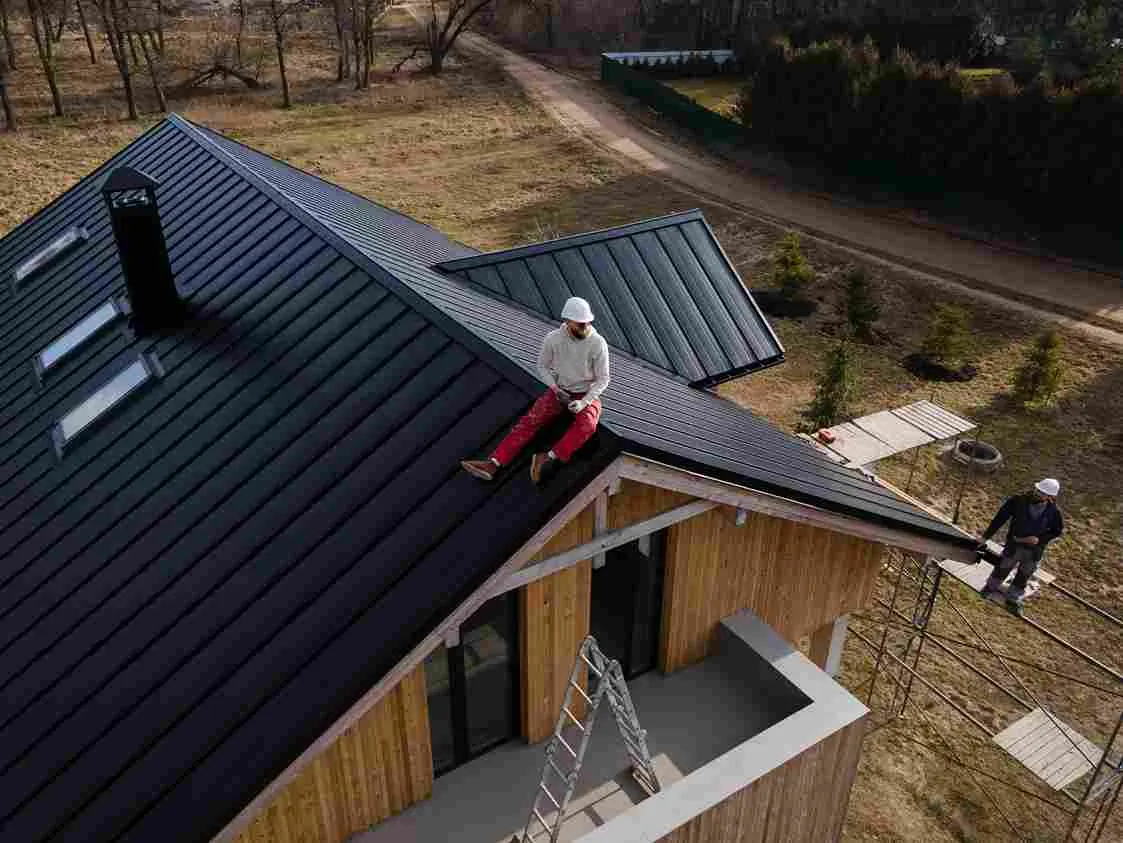
The Siding Installation Process
Homeowners often feel more confident when they understand what the process looks like.
Most professional siding projects follow a clear sequence:
- Exterior inspection to assess damage and structural conditions
- Material selection and estimate
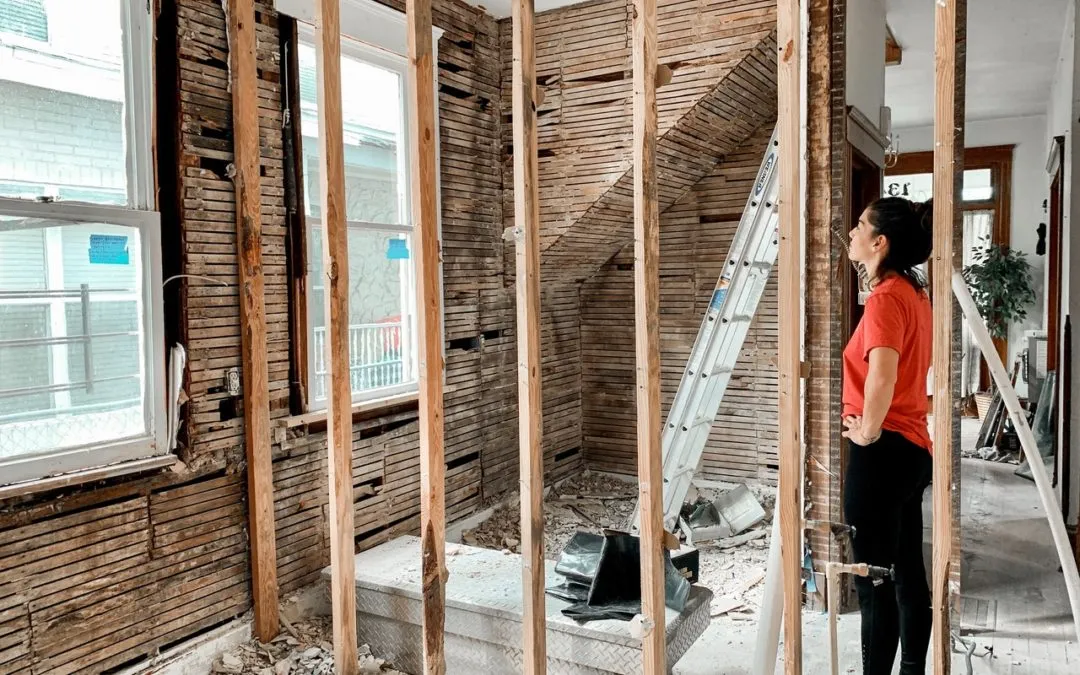
- Preparation and removal of old siding
- Installation of moisture barriers and new siding panels
- Final sealing, trim work, and cleanup
When handled by an experienced in-house crew, the process stays organized and efficient.
Why Many Florida Homeowners Choose Armour Siding and Soffit
For homeowners looking for reliability, the company behind the installation matters just as much as the season.
Armour Siding and Soffit focuses on the following:
• experienced in-house crews
• disciplined project management
• Florida-specific exterior solutions
• careful inspection and honest recommendations
Being family-owned and veteran-led also reflects a commitment to accountability and craftsmanship.
When your home’s exterior protection is involved, trust matters.
Conclusion
The truth is that siding can technically be installed at almost any time of year.
But if you want the best balance of weather conditions, contractor availability, and installation performance, fall often stands out as the best time of year to install siding in Florida.
Moderate temperatures help materials perform correctly. Landscaping is easier to protect. Scheduling tends to be smoother before the busy spring rush.
If you have noticed signs of siding damage or simply want to upgrade your home’s protection, the smartest step is starting with an inspection.
A well-timed project today can prevent much bigger repairs tomorrow.
FAQs
What makes a good siding installation?
A good siding installation includes proper moisture barriers, accurate spacing for material expansion, sealed joints, and precise fastening. Equally important is an experienced crew that understands local climate conditions.
When should homeowners hire a siding contractor?
You should hire a siding contractor when you notice signs like warped boards, soft spots, water stains, or persistent peeling paint. These may indicate moisture intrusion behind the siding.
What are best practices for maintaining siding?
Best practices include annual inspections, cleaning siding surfaces, checking caulking around trim, and addressing minor damage early before it spreads.
What are current siding trends for Florida homes?
Popular trends include fiber cement siding, insulated vinyl systems, and moisture-resistant installation methods designed for humid coastal climates.
How much does siding replacement cost?
Costs vary depending on materials, labor, and home size. Vinyl siding is often more affordable, while fiber cement offers greater durability but typically comes at a higher price.
When should you hire Armour Siding and Soffit?
Homeowners typically contact Armour Siding and Soffit when they notice early signs of damage, want a professional inspection, or plan a siding upgrade to improve protection and curb appeal.
What services does Armour Siding and Soffit provide?
Armour Siding and Soffit provides siding replacement, siding repair, soffit repair, fascia work, and exterior inspections focused on protecting Florida homes from moisture and weather damage.






















Sign in to leave a comment.