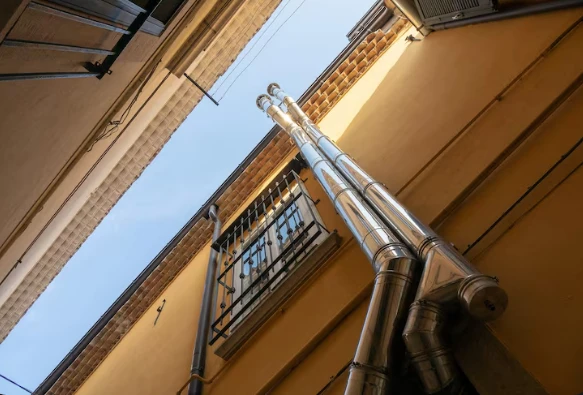

The exterior components of a home work together to protect the structure from weather, pests, and moisture. Among these components, soffits play a crucial role in maintaining roof health and proper attic ventilation. Installed beneath the roof overhang, soffits protect rafters and allow airflow into the attic.
However, soffits are often overlooked until visible damage occurs. Ignoring early warning signs can lead to serious problems such as moisture damage, mold growth, pest infestations, and even structural deterioration. Identifying soffit issues early can save homeowners from costly repairs and long-term damage.
Home improvement professionals, including experts like Armour Sliding & Soffit, often emphasize that timely soffit inspection and repair are essential for maintaining a healthy roofing system. In this guide, we’ll explore seven important signs that indicate your soffits may need repair before more serious structural issues develop.
What Are Soffits and Why Are They Important?
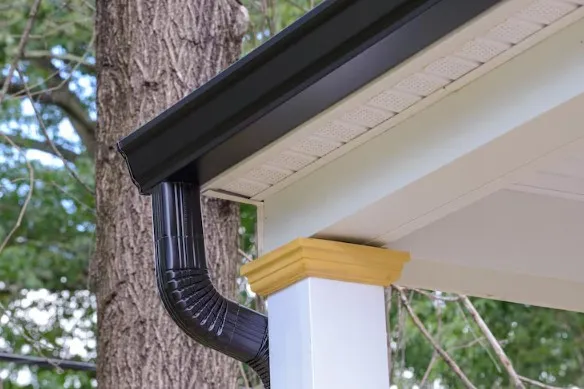
Soffits are the panels located underneath the roof’s overhang, connecting the edge of the roof to the exterior wall. While they may seem like a minor feature, they perform several important functions that help protect the home.
Key Functions of Soffits
- Protect roof rafters from weather exposure
- Allow proper attic ventilation to regulate temperature
- Prevent moisture buildup in the attic space
- Block pests and insects from entering roof cavities
- Improve the home’s exterior appearance
When soffits are damaged or deteriorating, these protective functions can fail, allowing moisture and pests to enter the roofing system.
Why Early Soffit Repairs Matter
Soffit damage often starts small but can quickly escalate if left unaddressed. Moisture infiltration, for example, can spread into roof framing and insulation, leading to costly structural repairs.
Risks of Ignoring Soffit Damage
- Water damage to roof structures
- Mold and mildew growth in attic areas
- Increased energy costs due to poor ventilation
- Pest infestations in roof cavities
- Rotting wood and structural weakening
Repairing soffits early helps prevent these problems and extends the life of the entire roofing system.
Sign #1: Peeling Paint or Visible Deterioration
One of the earliest signs of soffit damage is peeling paint or visible deterioration on the soffit surface.
Over time, exposure to sunlight, humidity, and rain can cause paint to crack and peel. While this may appear to be a cosmetic issue, it often indicates underlying moisture problems.
What Causes This Issue
- Excess moisture accumulation
- Poor attic ventilation
- Aging soffit materials
- Exposure to harsh weather conditions
If paint continues to peel or surfaces appear warped, it may be time to inspect the soffit structure for deeper damage.
Sign #2: Moisture Stains or Water Damage
Water stains on soffits are a clear sign that moisture is penetrating the roof’s edge.
This issue often occurs when gutters are clogged, causing rainwater to overflow and soak into the soffit panels.
Warning Signs of Moisture Damage
- Dark water stains or discoloration
- Soft or spongy wood surfaces
- Visible mold or mildew growth
- Dripping water during rainstorms
Prompt repair is necessary to prevent water from reaching the roof framing and insulation.
Sign #3: Pest or Insect Infestations
Damaged soffits can create entry points for pests such as rodents, birds, squirrels, and insects.
Once pests enter the attic space, they can damage insulation, wiring, and structural components.
Common Pests Found in Soffits
- Birds nesting in roof cavities
- Squirrels chewing through wood panels
- Insects and termites damaging wood
- Wasps building nests near soffit vents
Sealing damaged soffits helps prevent infestations and protects attic spaces from unwanted intruders.
Sign #4: Poor Attic Ventilation
Soffits often contain ventilation openings that allow fresh air to enter the attic. If these vents become blocked or damaged, attic ventilation can suffer.
Poor ventilation can lead to excessive heat buildup and moisture accumulation.
Signs of Poor Ventilation
- Extremely hot attic temperatures
- Increased air conditioning costs
- Condensation forming on attic surfaces
- Mold growth in attic insulation
Repairing soffit vents restores airflow and helps regulate attic temperature.
Sign #5: Sagging or Warped Soffit Panels
Soffit panels should remain straight and secure along the roofline. If panels begin to sag or warp, it may indicate structural damage or prolonged moisture exposure.
Causes of Sagging Soffits
- Water infiltration from leaking gutters
- Rotting wood supports
- Loose fasteners or aging materials
- Structural shifting in the roofline
Sagging soffits should be repaired immediately to prevent further damage to the roof structure.
Sign #6: Mold or Mildew Growth
Mold growth is a common indicator of excessive moisture within the attic or soffit area.
High humidity combined with poor ventilation creates ideal conditions for mold and mildew to develop.
Risks of Mold Growth
- Health concerns for occupants
- Damage to insulation materials
- Spread of mold throughout attic spaces
- Structural deterioration over time
Addressing soffit damage quickly helps eliminate moisture sources that encourage mold growth.
Sign #7: Rising Energy Bills
An unexpected increase in energy costs can sometimes be linked to damaged soffits.
When attic ventilation is compromised, heat becomes trapped inside the attic. This heat can transfer into the living areas below, forcing air conditioning systems to work harder.
Energy Efficiency Problems Caused by Damaged Soffits
- Reduced airflow in attic spaces
- Increased indoor temperatures
- Higher cooling costs during summer
- Overworked HVAC systems
Repairing soffit ventilation can help restore energy efficiency and reduce utility expenses.
Comparison: Healthy vs Damaged Soffits
The table below highlights some differences between properly functioning soffits and those that require repair.
| Feature | Healthy Soffits | Damaged Soffits |
| Ventilation | Proper airflow into attic | Blocked or restricted airflow |
| Appearance | Smooth and intact panels | Cracked, peeling, or warped surfaces |
| Moisture Protection | Prevents water infiltration | Water stains or soft wood |
| Pest Resistance | Sealed against pests | Entry points for animals or insects |
| Energy Efficiency | Supports temperature control | Causes heat buildup in attic |
Regular inspection helps ensure soffits remain in good condition and continue protecting the home.
How Soffit Repairs Are Typically Performed
Repairing soffits usually involves replacing damaged panels and addressing underlying issues that caused the damage.
Common Repair Steps
- Inspect the soffit and roofline
- Remove damaged panels
- Check for moisture or structural issues
- Install new soffit panels and ventilation openings
- Seal and secure all connections
Professional repairs ensure proper ventilation and long-term durability.
Preventive Maintenance Tips
Routine maintenance can help homeowners avoid major soffit repairs.
Preventive Maintenance Checklist
- Clean gutters regularly to prevent water overflow
- Inspect soffits for cracks or damage twice a year
- Ensure soffit vents remain unobstructed
- Address roof leaks promptly
- Schedule professional inspections when needed
Taking these steps can significantly extend the lifespan of soffit systems.
When to Call a Professional
Some soffit problems may be simple cosmetic issues, but others require professional attention.
Situations That Require Professional Repair
- Widespread moisture damage
- Structural sagging near the roofline
- Recurring pest infestations
- Mold growth in attic spaces
- Multiple damaged soffit panels
Professional contractors can identify hidden structural problems and recommend appropriate repairs.
Conclusion
Soffits play a vital role in protecting the roof structure and maintaining proper attic ventilation. Unfortunately, they are often overlooked until serious problems develop. Recognizing early warning signs—such as peeling paint, moisture damage, pest infestations, poor ventilation, sagging panels, mold growth, and rising energy costs—can help homeowners address issues before structural damage occurs.
Timely soffit repairs not only protect the roofing system but also improve energy efficiency, prevent moisture damage, and keep pests out of attic spaces. Regular inspections and maintenance are key to ensuring soffits continue performing their protective functions.
When soffit issues arise, consulting experienced professionals like Armour Sliding & Soffit can help homeowners identify the source of the problem and implement effective repairs that preserve the integrity and longevity of their home’s exterior structure.

























Sign in to leave a comment.