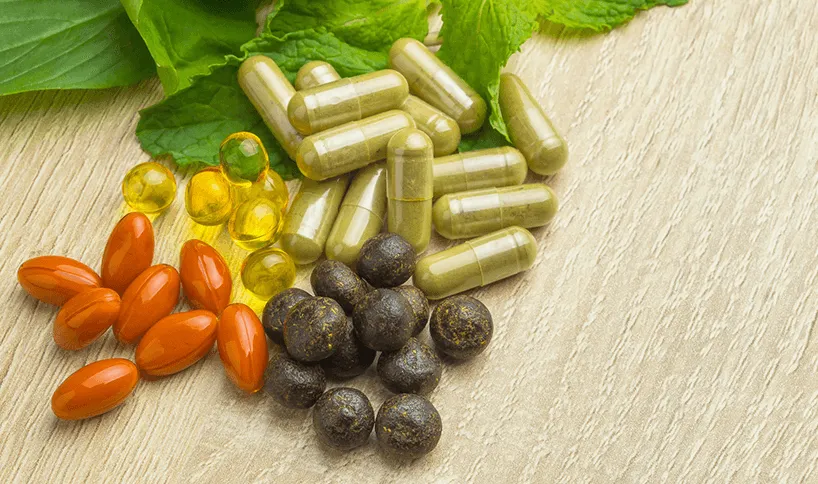

A person can stand in a wellness aisle for ten minutes and still feel less clear than when they walked in. One bottle says glutathione. Another says resveratrol. Another says C60, with language that sounds futuristic enough to feel important. The person may be tired, noticing skin changes, thinking about aging, or simply trying to take better care of their body. The hope is simple: choose something that helps. The confusing part is that antioxidants do not all work the same way.
Some support systems the body already uses. Some come from plant compounds that influence stress pathways. Some, like C60, are newer in wellness conversations and still carry more questions than answers. An antioxidant supplement may support the body’s defense against oxidative stress, but it should not be treated like a shortcut, cure, or replacement for medical care. The smarter question is not, “Which one is strongest?” It is, “Which one fits this person’s health picture, goals, medications, and risk level?”
Key Takeaways
- Glutathione connects closely with the body’s own cellular defense system.
- Resveratrol is a plant-based compound studied for how it supports healthy aging pathways.
- C60 should be approached with more caution because everyday wellness use is still ahead of strong human evidence.
- A smart choice starts with purpose, personal risk factors, and product quality.
What Do Antioxidants Actually Do?
Antioxidants help neutralize free radicals, which are unstable molecules that can contribute to cell damage when they build up faster than the body can manage them. The National Cancer Institute describes antioxidants as chemicals that interact with and neutralize free radicals so they do not cause damage. That sounds simple, but the body is not a kitchen counter that just needs wiping clean. Free radicals also play roles in normal cell signaling. The issue is balance.
When the body produces too many reactive molecules, or when its repair systems cannot keep up, oxidative stress can occur. The National Center for Complementary and Integrative Health notes that oxidative stress may damage cells and contribute to chronic diseases, while the body also has its own preventive and repair mechanisms.
That is why “more antioxidants” is not always the best plan. A better decision starts with context.
Ask first:
- What problem is the person trying to solve?
- Is the goal skin support, energy, aging concerns, inflammation support, or general wellness?
- Are there chronic conditions, medications, pregnancy, surgery plans, or cancer treatment involved?
- Have nutrition, sleep, hydration, and preventive care already been addressed?
- Is the product third-party tested and clearly labeled?
This is where the conversation becomes more useful than the label.
Why Do People Compare These Three?
Glutathione, resveratrol, and C60 often appear in the same conversation because they are all linked to oxidative stress, but they sit in very different lanes. Glutathione is made in the body. Resveratrol is a natural compound found in foods such as grapes and berries and is studied for its biological activity. C60, also called fullerene C60, is a molecule made of 60 carbon atoms with a rounded structure often compared to a soccer ball.
That difference matters. Someone looking at an antioxidant supplement should not compare these options by marketing claims alone. A better comparison looks at what is known, what remains uncertain, and what fits the person’s health needs.
How Does Glutathione Support Cells?
Glutathione is often discussed as a major internal antioxidant because the body makes it and uses it in cellular defense systems. It is involved in redox balance, the body’s ongoing process of managing oxidative and reducing reactions. In plain terms, glutathione helps the body handle everyday stress at the cellular level.
A human study published in Nutrients found that specific glutathione supplementation forms increased reduced glutathione levels and improved markers related to redox status after eight weeks. That does not mean every person needs it, but it does explain why glutathione receives serious attention in wellness discussions.
Glutathione may be most relevant for people focused on:
- Cellular antioxidant support
- Aging-related wellness routines
- Recovery from everyday stressors
- Medically guided wellness plans
Still, more is not automatically better. People with asthma, complex medical conditions, or medication use should be especially careful with supplement decisions and delivery methods.
What Are Resveratrol Benefits?
Resveratrol is a polyphenol, meaning it is a plant-based compound studied for how it interacts with oxidative stress and cell signaling. Research has explored its antioxidant, anti-inflammatory, metabolic, and aging-related pathways, but many effects are still being studied and should not be stretched into cure-like claims.
One interesting point is that resveratrol may influence glutathione pathways. A study in human lung epithelial cells found that resveratrol induced glutathione synthesis through Nrf2 activation under cigarette smoke-related oxidative stress conditions. That does not mean resveratrol “beats” glutathione. It shows that the body’s antioxidant network is connected.
Resveratrol may fit people who are interested in:
- Plant-based wellness support
- Healthy aging conversations
- Heart and metabolic wellness discussions
- Oxidative stress support through broader lifestyle habits
The biggest misunderstanding is treating resveratrol like a magic anti-aging pill. It is better viewed as one possible tool inside a larger routine that includes food, movement, sleep, and medical follow-up.
Is C60 Ready For Everyone?
C60 has a different story from glutathione and resveratrol. It is a fullerene, a carbon-based molecule with unusual chemical properties. PubChem identifies fullerene C60 as a 60-carbon structure, and research interest includes its physical, chemical, and biological behavior. Some laboratory and animal research has explored C60 for antioxidant and anti-inflammatory effects.
A 2023 review discussed liposoluble C60 and reported anti-inflammatory and antioxidant effects in cells and animals. However, that is the key phrase: cells and animals. For everyday wellness shoppers, C60 deserves a slower, more careful look because much of the current wellness conversation runs ahead of everyday clinical use. Product quality, solvent choice, dosing, long-term safety, and possible interactions all matter. C60 may sound advanced, but advanced does not always mean appropriate.
Which Option Fits Your Body?
Here is the practical comparison most people need before choosing an antioxidant supplement.
| Option | What It Is | When It May Fit | What To Watch Closely |
| Glutathione | A body-made antioxidant involved in redox balance | People focused on internal antioxidant support or medically guided wellness | Form, absorption, asthma concerns, IV safety, medication history |
| Resveratrol | A plant polyphenol studied for antioxidant and signaling effects | People interested in plant-based healthy aging and lifestyle support | Blood-thinning concerns, medication interactions, and realistic expectations |
| C60 | A fullerene molecule with early antioxidant research interest | People exploring newer compounds under professional guidance | Limited human evidence, quality control, dosing uncertainty, and long-term safety |
| Food-first antioxidants | Nutrients from fruits, vegetables, herbs, and whole foods | Most people have a daily foundation | Assuming food alone solves every health concern |
The table has a quiet lesson: these options are not interchangeable. One belongs closest to the body’s own chemistry, one comes from plant-based research, and one still sits in the “learn more first” category. That is why the best choice is not always the newest product, the boldest claim, or the longest ingredient description.
What Do Most People Get Wrong?
Most people get antioxidants wrong by thinking the strongest-sounding option must be the best one. The body may not need the “strongest” choice. It may need the safest choice, the most appropriate choice, or no supplement at all until the basics are handled. A person who sleeps four hours a night, skips meals, and drinks very little water may not need a complicated supplement stack first. They may need the basics handled first.
A person with chronic conditions or multiple prescriptions should not copy a wellness trend without checking for safety. This matters because chronic health needs are common. The CDC reports that 6 in 10 adults in the United States have a chronic disease, which makes careful decision-making around wellness products more important. That single fact changes the conversation. Supplements are not separate from someone’s health history. They enter a body that already has its own story.
How Should Someone Choose Safely?
A thoughtful antioxidant decision has three parts: purpose, personal risk, and product quality. First, define the purpose. “I want to feel better” is human, but it is too broad. Better how? More energy? Skin support? Recovery? General prevention? A clear goal helps avoid random stacking. Second, consider personal risk.
This includes age, chronic illness, pregnancy, upcoming procedures, cancer history, liver or kidney concerns, allergies, asthma, and prescription medications. Third, look at product quality. Supplements are not regulated the same way as prescription medicines. The NCCIH cautions that antioxidant supplements have not shown clear disease-prevention benefits in many large studies, and some may be harmful in certain contexts or doses.
A practical checklist:
- Choose a clear reason before choosing a product.
- Review medications and medical conditions first.
- Avoid mega-dose formulas unless medically directed.
- Look for third-party testing when possible.
- Start with one change at a time.
- Stop and seek care if unusual symptoms appear.
That approach is less flashy. It is also safer.
A Familiar Wellness Scenario
Picture someone in Walton County who has been feeling run down after a busy season of work, family obligations, and missed meals. They have seen videos about glutathione for skin, resveratrol for aging, and C60 for cellular health. The easy move is to buy all three. The wiser move is slower.
They schedule a wellness visit, review current medications, ask about labs if appropriate, and talk through what they actually want. Maybe the goal is better hydration, clearer skin, steadier energy, or support for healthy aging. The answer could be nutrition changes, IV hydration when medically appropriate, one carefully chosen supplement, or no supplement at all. That is what informed care looks like. Not fear. Not hype. Just a cleaner decision.
Do’s and Don’ts Before Starting
Do
- Treat antioxidants as support, not a cure.
- Tell a clinician about every supplement being used.
- Ask whether the form matters, such as liposomal, oral, or IV.
- Keep expectations realistic and track how the body responds.
Don’t
- Mix several new products at once.
- Assume “natural” means risk-free.
- Use C60 casually without understanding evidence gaps.
- Replace medical care with online wellness advice.
- Ignore new symptoms after starting a supplement.
The goal is not to scare people away from wellness. The goal is to keep wellness grounded.
What About Food First?
Food still deserves a front-row seat. Fruits, vegetables, herbs, legumes, nuts, seeds, and whole grains offer a mix of antioxidants, fiber, minerals, and plant compounds that work together. Supplements usually isolate a few ingredients. Food brings a broader pattern.
This is why a smart wellness plan usually starts with daily habits and then adds targeted support only when there is a reason. For many people, the best routine may look ordinary from the outside: balanced meals, good hydration, consistent sleep, walking, preventive care, and honest conversations with healthcare professionals. Ordinary can be powerful when it is consistent.
Final Thoughts On Smart Antioxidant Choices
Choosing between glutathione, resveratrol, and C60 is not about chasing the newest promise. It is about understanding the body’s needs with enough patience to make a wise choice. Each option carries a different level of familiarity, evidence, and uncertainty, which is why the decision should be thoughtful instead of trend-based.
The right antioxidant supplement is the one that fits a person’s current health picture, daily habits, and safety needs. For adults trying to understand which antioxidand does their body needs most, brands like Beyond C60 LLC can help make a smart decision. The takeaway is simple: choose with curiosity, but decide with care.
FAQs
- What makes a good antioxidant choice?
A good choice has a clear purpose, safe dosing, product transparency, and a realistic reason for use. It should fit the person’s daily routine and overall health picture.
- What are the best practices before taking supplements?
Start with one product, avoid high doses unless medically directed, read labels carefully, and review possible risks if prescriptions or chronic conditions are involved.
- What antioxidant trends need extra caution?
Newer longevity products need extra caution when their popularity is stronger than the available human research. C60 is one example where careful review matters.
- How can someone compare these three options?
Compare them by evidence, intended use, safety concerns, and how well each option matches the person’s goal. The label should not be the only deciding factor.
- When should someone seek professional guidance?
Professional guidance is wise when someone has a chronic illness, takes medication, wants IV wellness services, has allergies or asthma, is pregnant, or feels unsure about safety.
















Sign in to leave a comment.