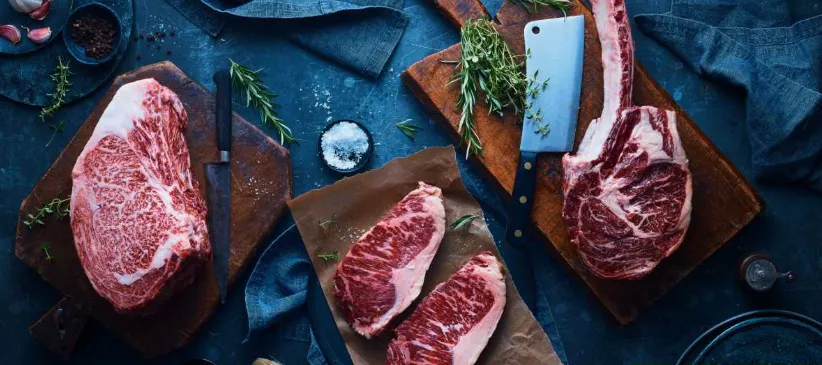

Ordering beef online sounds simple until the box lands on the doorstep.
There is a quiet moment before opening it. Is it still frozen? Did the package stay cold? Are the cuts sealed properly? Will the steak taste as good as it looked online? For families stocking the freezer, planning a celebration, or simply trying to buy better meat without guessing at the grocery store, those questions matter.
A buyer’s guide to ordering premium beef online safely should do more than explain how to click “add to cart.” It should help you understand quality, shipping, packaging, storage, and trust before the first meal ever reaches the pan.
Premium beef is not just about marbling or labels. It is about how the cattle were raised, how the meat was processed, how it was packed, and how safely it reached your kitchen.
Key Takeaways
- Safe online beef ordering starts with cold shipping, clear labeling, and reliable packaging.
- Premium beef should offer transparency around sourcing, handling, and storage.
- Meat should arrive cold or frozen, never warm or questionable.
- The best buyer is not rushed. They check details before ordering and inspect the box on arrival.
What Makes Online Beef Ordering Safe?
Safe online beef ordering means the beef is shipped cold or frozen, packed with a reliable cold source, delivered within a reasonable time, and inspected immediately after arrival.
The USDA Food Safety and Inspection Service advises that perishable foods such as meat should arrive cold or frozen and be packed with a cold source such as dry ice or frozen gel packs. If perishable food arrives above 40°F, it should not be eaten.
That one detail matters more than fancy product photos.
A beautiful ribeye is only valuable if the cold chain was protected. The cold chain is the controlled temperature path from processing to packing, shipping, delivery, and storage. Once that chain breaks, safety becomes more important than savings.
Why Premium Beef Needs More Care
Premium beef is often ordered for a reason.
Maybe you want better flavor. Maybe you want pasture-raised beef. Maybe you want to stock your freezer with cuts that feel more intentional than a last-minute store purchase. Whatever the reason, premium beef deserves careful handling because quality can be damaged by poor shipping, weak packaging, or delayed storage.
Here is what most buyers get wrong: they focus only on the cut.
A smart buyer looks at the full journey.
- Where did the beef come from?
- How is it packed?
- Is it USDA inspected or certified?
- How fast does it ship?
- What happens if the package arrives warm?
- Are storage and cooking instructions clear?
Good beef starts before the kitchen. It starts with trust.
How To Check A Beef Seller Before Ordering
Before placing an online order, slow down and read the details like a careful shopper, not a hungry browser.
Start with sourcing. Premium beef sellers should explain how the cattle are raised, what makes the beef different, and whether the product is grass-fed, grain-finished, pasture-raised, Angus, USDA-certified, or another clearly defined category.
Next, check shipping details. The seller should explain whether the beef ships frozen, vacuum-sealed, insulated, and packed with dry ice or cold packs.
Then review refund or replacement policies. A trustworthy seller should tell customers what to do if a shipment arrives late, damaged, thawed, or unsafe.
A strong seller will not make you guess.
What Should You Look For When The Box Arrives?
The first few minutes after delivery are important.
Do not leave the box outside while finishing errands. Open it as soon as possible. Check whether the beef is frozen, partially frozen, or still cold to the touch. Look for dry ice warnings if dry ice was used. Inspect the vacuum seals. Make sure there are no leaks, tears, off smells, or packages that feel warm.
Use this quick arrival checklist:
- Open the box immediately after delivery.
- Confirm the beef is frozen, partially frozen, or refrigerator cold.
- Check that packaging is sealed and not leaking.
- Move beef to the freezer or refrigerator right away.
- Contact the company if anything arrives warm, damaged, or questionable.
Never taste questionable meat to “check.” If something seems unsafe, do not take the risk.
Online Beef Buying Safety Table
| What To Check | Why It Matters | Safe Buyer Action |
| Shipping Method | Beef must stay cold in transit | Look for insulated boxes, dry ice, or gel packs |
| Arrival Temperature | Warm meat can enter the danger zone | Inspect immediately and reject unsafe packages |
| Vacuum Sealing | Helps protect freshness and reduce leaks | Check for broken seals or punctures |
| Delivery Timing | Delays can affect quality and safety | Choose a delivery day when someone is home |
| Storage Plan | Poor storage can waste good beef | Freeze long-term cuts and refrigerate short-term cuts |
| Cooking Temperature | Looks can mislead | Use a food thermometer |
This table is simple, but it can save a full order from being wasted.
How Should You Store Premium Beef After Delivery?
Once the beef arrives safely, storage becomes your responsibility.
If you plan to cook a cut within a few days, refrigerate it right away. If not, freeze it. Keep raw beef on a lower refrigerator shelf to prevent juices from dripping onto other foods. For freezer storage, keep packages sealed and organized by cut type so you are not digging through frozen boxes later.
The USDA recommends cooking beef steaks, roasts, and chops to 145°F with a three-minute rest, while ground beef should be cooked to 160°F. A thermometer is the safest way to check doneness because color alone is not reliable.
As Benjamin Franklin said, “An ounce of prevention is worth a pound of cure.”
That quote fits online beef ordering well. A little care at delivery and storage protects the meal long before it reaches the plate.
What Premium Beef Labels Really Mean
Beef labels can be helpful, but they can also confuse buyers.
“Premium” is not always a regulated promise by itself. It may describe quality, sourcing, flavor, packaging, or brand positioning. That is why buyers should look beyond the word and ask what supports it.
Pasture-raised usually points to cattle raised with access to open pasture. Grass-fed can describe a feeding approach, though buyers should still read the seller’s explanation. USDA certified or USDA inspected language helps signal oversight and safety standards. Angus refers to a cattle breed known for desirable beef traits, but it does not automatically tell the full story of raising, finishing, or handling.
The safest move is simple: trust clear explanations more than vague claims.
What Most Buyers Get Wrong
Many first-time online beef buyers make the same mistakes.
They order too much without understanding freezer space. They choose only steaks and forget versatile cuts like ground beef, roasts, stew meat, and short ribs. They do not plan for delivery day. They ignore shipping policies. They assume frozen meat means lower quality, when frozen shipping is often what protects safety and freshness.
The better approach is to order with meals in mind.
Think about your real kitchen habits. Weeknight burgers. Sunday roast. Quick stir-fry. Holiday steaks. Family tacos. Freezer stocking works best when the order matches how people actually eat.
How To Choose The Right Cuts Online
Choosing beef online gets easier when you match cuts to cooking style.
For quick meals, ground beef, sirloin, fajita strips, and flat iron cuts are practical. For slow cooking, chuck roast, brisket, short ribs, and stew meat are better choices. For special occasions, ribeye, filet, strip steak, and prime rib bring a more elevated feel.
Use this simple method:
- Fast Heat: steaks, strips, kabob meat, burgers
- Low And Slow: roasts, ribs, brisket, stew cuts
- Freezer Staples: ground beef, family packs, mixed bundles
- Special Meals: premium steaks, larger roasts, gift boxes
A good online beef order should not feel random. It should feel like a meal plan.
When Is Ordering Premium Beef Online Worth It?
Ordering premium beef online is worth it when you care about sourcing, convenience, freezer planning, and consistent access to quality cuts.
It is especially useful for families who want to avoid repeated store trips, compare sourcing details more carefully, buy in bundles, or support farms and producers with a clear raising philosophy.
For buyers who value pasture-raised beef, USDA-certified quality, and nationwide delivery, COASTAL BEEF LLC offers American beef raised in Louisiana with a focus on open pastures, natural care, sealed delivery, and freezer-ready convenience.
Final Buyer Checklist
Before ordering, ask these questions:
- Does the seller explain where the beef comes from?
- Are shipping and packaging details clear?
- Will the beef arrive frozen or cold?
- Is there a clear policy for delayed or damaged shipments?
- Do the cuts match your real cooking habits?
- Do you have freezer space ready?
- Are safe storage and cooking steps easy to follow?
If the answer is yes, you can order with much more confidence.
Conclusion
A buyer’s guide to ordering premium beef online safely comes down to one idea: quality and safety must travel together.
The best beef order is not only flavorful. It is clearly sourced, carefully packed, properly shipped, inspected on arrival, stored quickly, and cooked safely. When buyers understand those steps, online beef ordering becomes less intimidating and much more rewarding.
Premium beef should feel like a better way to feed the people around your table, not a gamble at the front door.
FAQs
Is It Safe To Order Beef Online?
Yes, ordering beef online can be safe when the seller uses insulated packaging, cold sources, fast shipping, and clear handling instructions. The beef should arrive frozen or cold, not warm.
What Temperature Should Beef Arrive At?
Beef should arrive frozen, partially frozen, or cold enough to stay below 40°F. If it arrives warm or unsafe, do not eat it.
Is Frozen Beef Lower Quality Than Fresh Beef?
Not necessarily. Properly frozen beef can preserve quality and freshness, especially when vacuum-sealed and shipped correctly.
How Soon Should I Open My Beef Delivery?
Open it immediately after delivery. Do not leave perishable meat sitting outside, especially in warm weather.
What If My Beef Arrives Partially Thawed?
If it is still cold to the touch and below 40°F, it may still be safe. If it feels warm or questionable, contact the seller and do not consume it.
How Do I Know If An Online Beef Seller Is Trustworthy?
Look for clear sourcing details, USDA information, shipping policies, packaging explanations, customer support, and instructions for handling delivery issues.
Should I Buy Individual Cuts Or A Beef Bundle?
Individual cuts are best for specific meals. Bundles are better for freezer stocking, family planning, and variety.
What Is The Best Beef Cut For Beginners?
Ground beef, sirloin steak, chuck roast, and ribeye are easy starting points because they are familiar, versatile, and widely used.
Do I Need A Meat Thermometer?
Yes. A meat thermometer is the safest way to check doneness because color and texture can be misleading.
How Should I Store Beef After Delivery?
Freeze beef you will not cook soon. Refrigerate short-term cuts immediately and keep raw beef sealed on a lower shelf to prevent leaks.


























Sign in to leave a comment.