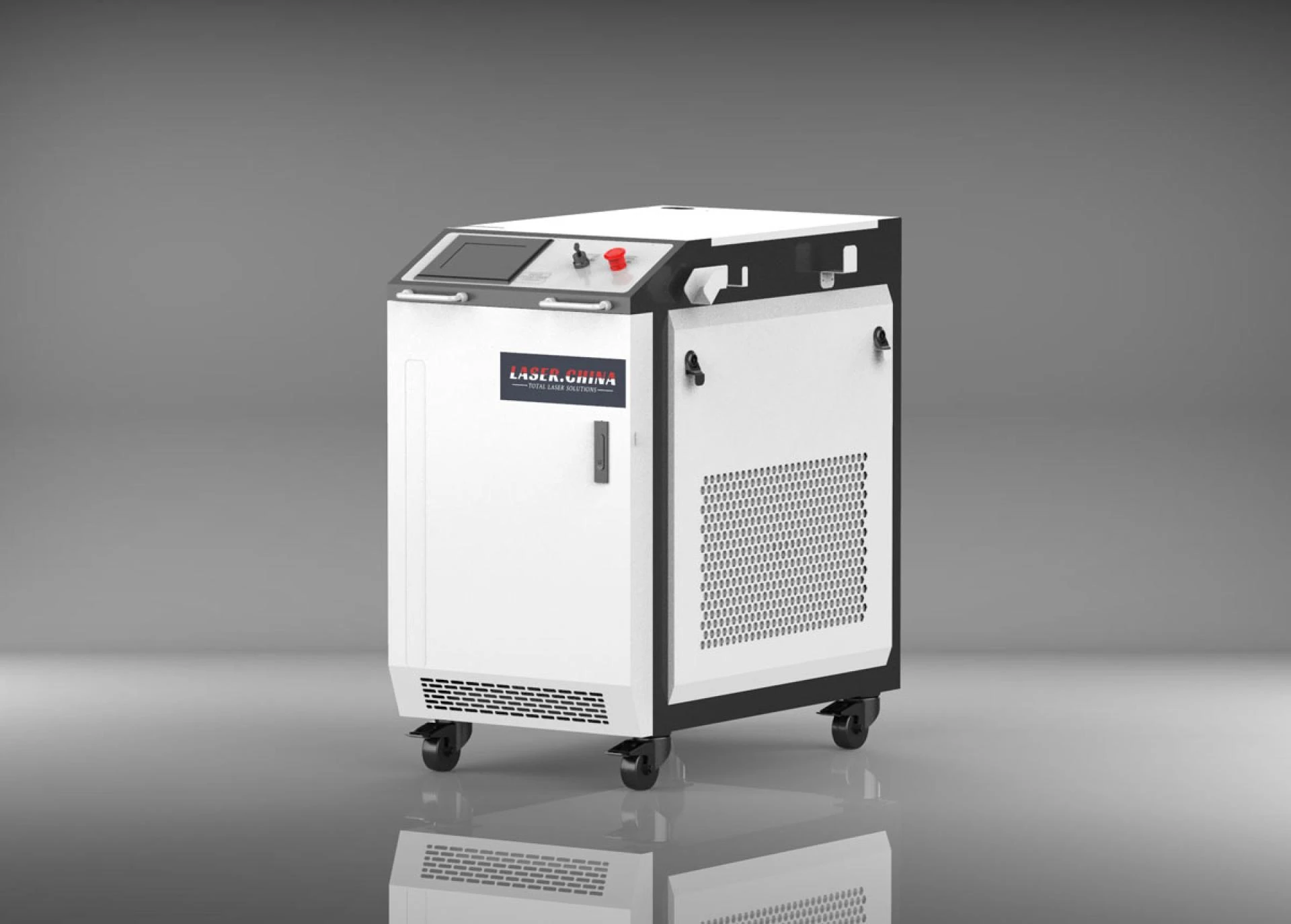
Removing paint from metal, wood, or industrial surfaces has always been a challenging task. Traditional methods like chemical stripping, sandblasting, and manual scraping can damage the base material, create hazardous waste, and consume a lot of time. The laser paint remover has completely transformed this process, offering an innovative, efficient, and eco-friendly solution for industries and workshops worldwide.
Laser paint removal works by using a high-intensity laser beam to heat and vaporize paint or coatings from the surface. Unlike other methods, it doesn’t require contact, harsh chemicals, or abrasive materials. Instead, it uses precise laser energy that lifts the paint without harming the base layer beneath. This technology has become increasingly popular in sectors like aerospace, automotive restoration, shipbuilding, and industrial manufacturing.
How Laser Paint Remover Works
A laser paint remover uses a pulsed fiber laser that emits short bursts of energy focused on the surface. These laser pulses rapidly heat the top paint layer, causing it to decompose or vaporize. Since the laser is precisely controlled, the removal happens only in the paint layer, leaving the base metal, composite, or substrate intact.
This method is also known as laser ablation. The vaporized paint is removed through an integrated suction or filtration system, ensuring a clean and safe working environment. The process is dry, dust-free, and does not rely on solvents or abrasive media.
The result is a clean, residue-free surface, ready for repainting, welding, bonding, or inspection.
Why Industries Are Switching to Laser Paint Removal
Industrial sectors that rely on maintenance, restoration, and surface preparation are quickly adopting the laser paint remover for its precision, safety, and repeatability. For instance, in aerospace, paint removal from aircraft parts requires extreme care to prevent surface damage. Laser systems offer this precision without compromising the integrity of aluminum or composite materials.
In the automotive sector, workshops use laser paint removal for restoring vintage cars, removing rust and old coatings from chassis and panels without warping the metal. Factories in heavy machinery and shipyards are also implementing laser technology for cleaning and repainting large steel structures, reducing labor and waste disposal costs.
The biggest reason behind this transition is sustainability. The laser paint remover eliminates the use of toxic chemicals, dust emissions, and secondary waste. It aligns with modern environmental regulations while maintaining high efficiency and low operational cost over time.
Applications of Laser Paint Remover
The laser paint remover is versatile and can be applied in various environments, from industrial facilities to small workshops. Some of its major applications include:
- Automotive restoration – Removing paint from car bodies, engine parts, or alloy wheels without affecting the surface finish.
- Aerospace maintenance – Cleaning paint from aircraft surfaces, turbine components, or landing gear for inspection or recoating.
- Marine industry – Removing paint and corrosion from ship hulls, decks, and offshore equipment.
- Manufacturing and repair – Cleaning molds, tools, and production lines where paint, grease, or residue build-up can affect product quality.
- Cultural heritage restoration – Safely removing layers of paint from sculptures, monuments, or historic metalwork without damaging fine details.
Each of these industries requires precision and safety — something laser cleaning technology provides consistently.
Working Environment and Operation
Operating a laser paint remover doesn’t require extensive setup or complex safety zones. Most modern handheld laser cleaning systems are portable, user-friendly, and can be used in workshops, production lines, or even outdoors. The laser beam can be adjusted in intensity and focus to match the paint type and substrate.
Unlike traditional tools, there are no consumables like sand, solvents, or brushes to replace. The only maintenance involves keeping the optics clean and ensuring the filtration system functions properly. Operators can work comfortably with protective glasses and standard safety gear, as there are no chemical fumes or abrasive dust particles to worry about.
The process is nearly silent, which makes it suitable for indoor workspaces and reduces noise pollution — another often-overlooked benefit of switching to laser technology.
Efficiency and Cost Impact
While the initial investment in a laser paint remover might appear high compared to conventional tools, the long-term value it delivers outweighs the cost. It drastically reduces material waste, lowers maintenance needs, and eliminates chemical purchases. Moreover, the laser source in fiber-based systems can last tens of thousands of hours without significant degradation, ensuring reliability over years of operation.
Factories that replaced sandblasting or solvent cleaning with laser systems have reported significant savings in labor time, waste management, and environmental compliance costs. With automation, robotic arms can also integrate laser paint removal in production lines, achieving consistent results and high throughput.
The system’s energy efficiency is another important factor. A laser beam converts electrical power directly into optical energy, reducing the energy loss typical in mechanical or chemical processes. This makes it a sustainable and cost-effective solution for continuous operations.
Safety and Environmental Impact
Laser paint removal is a clean technology. It doesn’t release chemical vapors, toxic gases, or secondary contaminants. Paint and residue particles are instantly collected by vacuum systems attached to the laser head, keeping the air and workspace clean. Since it’s a dry process, there’s no risk of water pollution or chemical spillage.
Moreover, industries can comply more easily with environmental and worker safety regulations, as laser systems eliminate hazardous waste management and reduce health risks associated with traditional cleaning methods.
This shift toward laser paint remover technology is part of a broader movement toward sustainable industrial practices. Companies are not only improving efficiency but also meeting global standards for green manufacturing and workplace safety.
Technological Evolution and Future Outlook
As fiber laser technology continues to advance, the laser paint remover is becoming even more powerful, compact, and affordable. Recent systems can automatically detect surface composition, adjusting laser parameters in real-time to optimize removal without user intervention. Integration with robots and AI-driven inspection tools allows manufacturers to automate complex cleaning and preparation tasks with precision.
In the near future, laser cleaning could become standard equipment in every major industrial facility. Its applications might expand to microelectronic cleaning, additive manufacturing post-processing, and even space technology, where contactless and residue-free surface treatment is essential.
What makes this innovation sustainable is not just its technical performance but its ability to replace outdated, polluting, and labor-intensive practices. The laser paint remover is a key part of the industrial transformation toward smarter and cleaner manufacturing processes.
Final Thoughts
The laser paint remover represents the future of surface preparation — a clean, contactless, and efficient alternative to traditional cleaning methods. Its ability to remove paint, rust, and coatings without damaging the substrate has made it invaluable in industries that demand precision and quality.
Beyond performance, it supports environmental goals by eliminating hazardous chemicals and reducing waste. Whether in aerospace maintenance, automotive restoration, or heavy manufacturing, the laser paint remover provides an intelligent and sustainable path forward for modern industry.
Its growing adoption across the globe signals a clear direction — industries are embracing technologies that not only perform better but also protect both people and the planet.






















Sign in to leave a comment.