
In today’s industrial world, efficiency, precision, and reliability define the quality of production. Among the advanced technologies shaping modern manufacturing, the fibre welder has emerged as a key player. It has changed how industries approach metal joining, combining power and precision into one compact, high-performance system. From automotive to aerospace, this innovative technology has become the cornerstone for those seeking clean, durable, and high-speed welding results.
A fibre welder is not just another machine—it represents a shift toward smarter production methods. By using high-intensity fibre laser beams, it joins metals without excessive heat or distortion. The result is a cleaner, more stable weld with minimal post-processing. Let’s explore how this welding system has redefined industrial standards and why it’s considered the backbone of advanced fabrication processes.
Understanding What a Fibre Welder Is
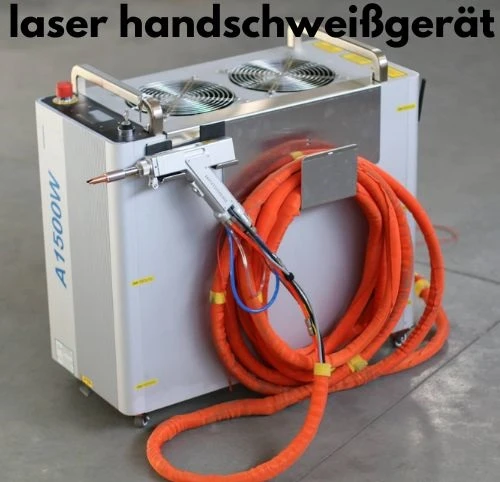
A fibre welder is a welding system that uses a fibre laser as its energy source. Instead of relying on traditional electric arcs or filler materials, it directs an intense, concentrated laser beam to melt and fuse metals at the joint. The laser is transmitted through a flexible fibre optic cable, allowing unmatched mobility and accuracy during the process.
This setup makes it different from conventional methods like MIG, TIG, or arc welding. The fibre welder uses a solid-state laser, generated within a fibre core, and delivers the beam with pinpoint precision. The energy density is extremely high, enabling the welder to work on thin materials and thick components alike. Its application ranges from intricate electronic assemblies to heavy-duty industrial machinery.
Why the Fibre Welder Has Become a Game-Changer
Modern manufacturing demands processes that are not only efficient but also sustainable and cost-effective. The fibre welder answers these needs with remarkable consistency. It offers exceptional control over the welding process, resulting in high-quality joints that require little to no finishing work.
Industries that previously struggled with deformation, spatter, or oxidation now rely on fibre welding for its stable and repeatable results. For example, in the automotive sector, body components and battery housings are often joined using fibre lasers due to their precision and speed. In electronics, the technology is used for delicate connections where excessive heat can damage components.
The Technology Behind the Fibre Welder
At the core of a fibre welder is its laser source—a fibre optic cable doped with rare-earth elements like ytterbium. When stimulated by diodes, the fibre emits a powerful laser beam that can reach extremely high power densities. The light is guided through the fibre cable and focused on the target area through a lens.
This process offers superior energy efficiency compared to gas or solid-state lasers. The beam remains stable over long distances, ensuring consistent results even in complex operations. In addition, the optical fibre design allows for compact machine sizes, enabling manufacturers to integrate fibre welding systems into automated production lines or robotic arms with ease.
Industrial Applications of Fibre Welder Technology
The versatility of the fibre welder extends across multiple industries:
- Automotive Manufacturing: Used in producing lightweight vehicle bodies, battery casings, and precision joints for EV components.
- Aerospace and Aviation: Ensures strong, seamless joints in critical components where weight and durability matter most.
- Electronics Industry: Provides micro-welding solutions for sensors, connectors, and circuit assemblies.
- Medical Equipment Production: Enables fine welding on stainless steel and titanium parts used in surgical instruments and implants.
- Metal Fabrication and Tooling: Offers fast, clean welds for custom fabrication, reducing the need for grinding or polishing afterward.
Each of these sectors benefits from the fibre welder’s accuracy and adaptability, allowing higher throughput and consistent results without compromising material integrity.
The Shift Toward Modern Welding Systems
The adoption of fibre welder systems reflects the broader industrial trend toward automation and precision manufacturing. As production environments evolve, traditional welding setups are being replaced with systems that combine laser power and digital control.
Factories now integrate fibre welders with robotic platforms, enabling automated, high-speed production lines that run with minimal human intervention. This integration enhances consistency, reduces labor costs, and ensures traceability through digital monitoring systems.
Moreover, the energy efficiency of fibre welding supports sustainability goals by minimizing waste and reducing overall power consumption compared to conventional welding methods.
Maintenance and Longevity of Fibre Welders
Like any high-performance equipment, the fibre welder requires regular maintenance to sustain optimal operation. The design, however, minimizes moving parts and consumables, which naturally reduces downtime. Regular cleaning of optics, inspection of fibre cables, and calibration of laser output are typically enough to keep the system running efficiently.
Manufacturers often integrate real-time diagnostics into their machines to monitor performance and detect potential issues early. This predictive maintenance approach ensures reliability and extends the life of the equipment, making the fibre welder a long-term investment for industrial facilities.
Safety and Operational Control
Welding with lasers demands adherence to strict safety protocols. The fibre welder is designed with built-in safety systems that protect operators from exposure to high-intensity laser light. Safety shields, interlock systems, and enclosed welding stations are common features.
Additionally, modern models come with intelligent control interfaces, allowing operators to adjust beam power, speed, and focus depth with precision. This digital control reduces human error and enhances consistency across batches, ensuring that every weld meets the same high standards.
How Fibre Welders Shape the Future of Metal Joining
The future of manufacturing lies in technologies that deliver precision without compromise. The fibre welder stands at the heart of this transformation, enabling industries to achieve higher productivity, cleaner production environments, and superior weld strength.
As more companies transition toward smart factories and digital manufacturing systems, the fibre welding process aligns perfectly with automation frameworks. It combines accuracy, repeatability, and data-driven control, paving the way for fully optimized production chains.
Emerging innovations, such as AI-assisted laser control and adaptive welding heads, are set to make fibre welders even more capable. These improvements will further enhance material compatibility and enable customized welding solutions for advanced alloys and composite structures.
Final Thoughts
The fibre welder is more than just a modern tool—it’s a transformative technology redefining how metals are joined in today’s industrial landscape. Its precision, speed, and efficiency mark a shift toward smarter, cleaner, and more sustainable manufacturing practices.
As industries evolve, the fibre welder will continue to serve as a foundation for innovation—connecting not just materials, but the future of production itself. Whether in automotive assembly lines, aerospace engineering, or microelectronics, this technology is shaping the path forward for high-performance metal fabrication.

























Sign in to leave a comment.