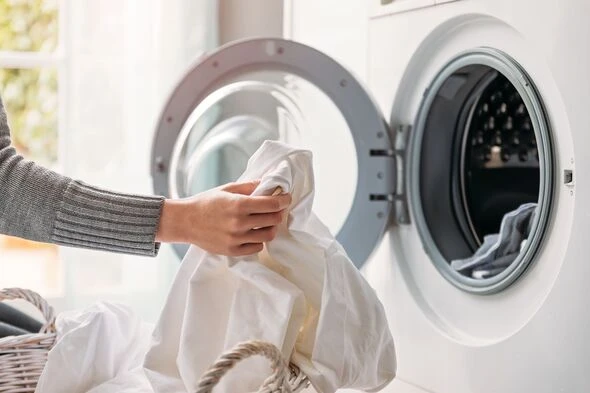
Doing laundry might seem like a routine task, but small mistakes in your washing habits can significantly shorten the lifespan of your clothes. While professional Laundry Services can help maintain your clothes in top condition, knowing what not to do at home is equally important. In this blog, we’ll walk you through seven common laundry habits that could be silently ruining your favorite outfits — and what you can do to fix them.
1. Overloading the Washing Machine
It’s tempting to stuff all your laundry into one load to save time and effort, but overloading your washing machine is one of the worst things you can do for your clothes. When the machine is too full, your clothes don’t have enough space to move around freely. This leads to poor cleaning, excessive friction, and even damage to the fabric. Over time, you’ll notice fading colors, torn seams, and fabric thinning — all because you tried to do too much at once.
Instead, aim to fill your machine only about three-quarters full. This gives your clothes enough space to tumble and rinse properly. Not only will this make them cleaner, but it will also preserve their texture and color for longer.
2. Ignoring Care Labels
Care labels might seem unnecessary or overly cautious, but they’re there for a reason. Ignoring these little tags can lead to irreversible damage. For instance, if a label says “hand wash only,” putting it in the washing machine can stretch or shrink the fabric beyond repair. Similarly, certain fabrics like wool or silk can’t handle high heat or harsh spin cycles.
Take a few seconds to read the care labels on your clothes. Sorting your laundry based on fabric type and washing requirements can go a long way in keeping your wardrobe fresh and wearable. For items with special instructions, consider handwashing or using a gentle cycle.
3. Using Too Much Detergent
More detergent does not mean cleaner clothes. In fact, using too much detergent can have the opposite effect. Excess soap can leave behind residue that traps dirt and bacteria, making your clothes look dull and feel sticky. It can also damage your washing machine over time by causing buildup in the drum and pipes.
Always follow the recommended amount mentioned on the detergent packaging. If your clothes aren’t coming out as clean as you’d like, it’s often a matter of load size or water temperature — not detergent quantity. For an extra boost, consider using a pre-soak cycle or adding baking soda instead of increasing detergent.
4. Washing in Hot Water Too Often
While hot water can be useful for killing bacteria or removing grease, frequent washing in high temperatures can degrade fabric fibers and fade colors. Delicate fabrics and dark-colored clothes are especially vulnerable to heat damage. If you’ve noticed your clothes losing their shape or color prematurely, your hot water setting might be to blame.
As a general rule, cold water is ideal for most loads. It’s gentle on fabrics, helps preserve colors, and also saves energy. Warm water can be used for more durable items like towels or bed linens. Reserve hot water for heavily soiled or greasy items only.
5. Not Sorting Laundry Properly
Throwing all your clothes into one load — regardless of color, fabric, or wash instructions — is a fast track to disaster. Dark clothes can bleed onto lighter items, and delicate fabrics can get damaged when washed with heavier ones like jeans or towels. Sorting your laundry might seem like a hassle, but it’s one of the easiest ways to extend the life of your clothes.
Divide your laundry into at least three categories: whites, darks, and colors. If you want to go a step further, separate heavy fabrics from light ones and wash delicates in mesh bags. This not only prevents dye transfer but also reduces wear and tear during the wash cycle.
6. Overusing the Dryer
Dryers are convenient, but excessive use can be hard on your clothes. The high heat and tumbling motion can shrink garments, cause elastic to weaken, and create static cling. Over time, you might find your favorite pieces no longer fit or have lost their original texture and shape.
Whenever possible, air-dry your clothes. Use a drying rack or clothesline to let items dry naturally. If you must use a dryer, opt for the lowest heat setting and remove clothes while they’re still slightly damp to prevent over-drying. For delicate items, use the “air fluff” or “no heat” setting to minimize damage.
7. Skipping Regular Machine Maintenance
You might think that because your washing machine handles cleaning, it doesn’t need cleaning itself — but that’s not true. Over time, detergent residue, fabric lint, and mineral deposits can build up inside your machine. This can lead to foul odors, inefficient cleaning, and even mold growth, all of which can affect your clothes.
Clean your washing machine at least once a month. Most modern machines have a self-cleaning cycle you can use with hot water and white vinegar or a specialized cleaner. Also, don’t forget to clean the detergent drawer and the rubber gasket around the door, especially if you use a front-loading machine.
Final Thoughts
Your laundry habits have a big impact on how long your clothes last. From skipping care labels to overloading your washing machine, each small mistake adds up. By breaking these bad habits and adopting smarter laundry practices, you can keep your wardrobe looking fresh, clean, and long-lasting.
If you ever find yourself short on time or overwhelmed with laundry, outsourcing to reliable Laundry Services can save your clothes from wear and tear caused by rushed or careless washing. Sometimes, letting professionals handle your garments is the best way to ensure they stay in top condition.
Start treating your laundry with care today — your clothes (and your wallet) will thank you later.



























Sign in to leave a comment.