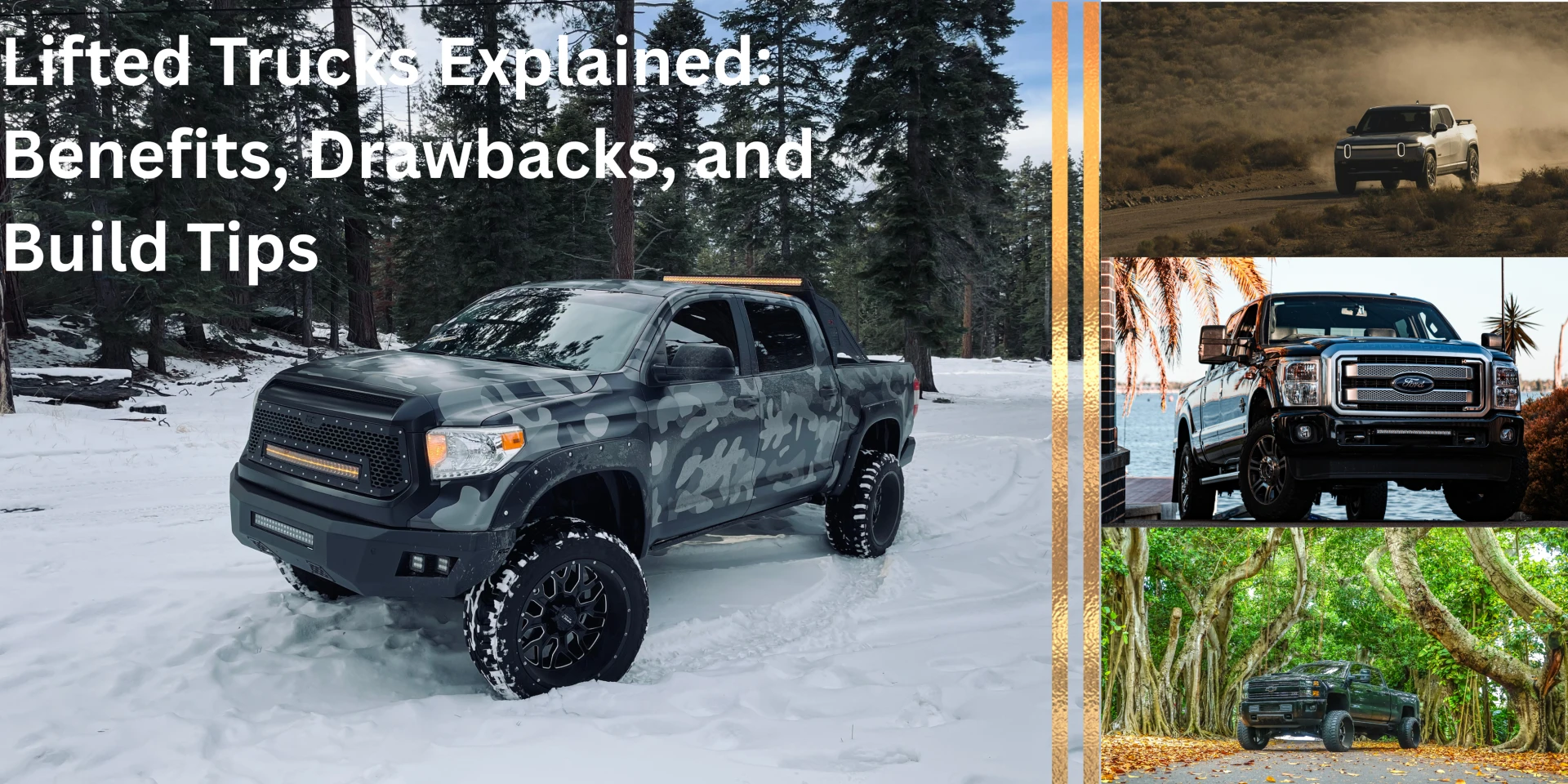

Lifted trucks command attention for good reason. A higher stance offers more than just an impressive appearance. Lifting your truck can unlock better off-road performance, create space for larger truck wheels and tires, and give your ride a stronger, more aggressive presence. But it’s not all about style. When done right, a lift also improves ground clearance, visibility, and overall versatility.
In this article, we’ll break down the real-world benefits, potential drawbacks, and smart build strategies behind lifted trucks, so you can decide if going higher is the right move for your truck and lifestyle.
What Is a Lifted Truck?
A lifted truck is a pickup that has been modified to sit higher than its factory ride height. This is typically done by raising the suspension, the body, or both, allowing for increased ground clearance and space for larger wheels and tires.
The result is a more aggressive stance, improved off-road geometry, and a commanding road presence. Lifted trucks are popular among off-road enthusiasts, custom builders, and drivers seeking a bolder look or enhanced trail capability. While the lift height and method can vary, the defining feature is the elevation above stock height, both visually and functionally.
Benefits of a Lifted Truck
Once you start digging into what a lifted truck offers, it’s easy to see why so many off-roaders, overlanders, and truck enthusiasts consider it an essential upgrade. Beyond the obvious visual impact, lifting your truck unlocks a new tier of performance and customization.
Improved Off-Road Performance
When it comes to trail performance, ground clearance is king. A properly lifted truck can navigate terrain that a stock-height vehicle might get stuck on or damaged by. With increased ground clearance, you'll be able to crawl over rocks, cross deeper water, and drive through thick mud or snow without risking damage to the underside. Additionally, when combined with larger, more aggressive tires, a lift enhances traction, articulation, and stability on uneven surfaces.
Style and Stance
Lifted trucks stand out. From parking lots to job sites, they command attention with their aggressive profile and elevated height. Many truck owners choose to lift their rides to accommodate larger wheels and tires that wouldn’t fit under a stock suspension. The result is a custom stance that reflects personal style—be it rugged, sporty, or show-ready.
Customization Potential
A lift opens the door to endless opportunities for modification. Bigger tires, upgraded shocks, extended control arms, reinforced skid plates. It all starts with the added space and geometry changes that a lift provides. It also creates room for aftermarket wheels, such as TIS wheels, which are designed to withstand harsh off-road abuse while giving your truck a distinctive, rugged look.
Increased Visibility
From the driver’s seat, a higher ride height offers better forward and peripheral visibility. This can be especially helpful in traffic or when driving through wooded trails or tight off-road paths. The extra vantage point isn’t just a luxury. It can improve safety and spatial awareness.
Street Appeal and Resale Value
Lifted trucks are head turners with their stance, wheel setup, and sheer presence that gives them an edge over factory models. For enthusiasts, that kind of visual impact is part of their lifestyle. Additionally, in the right market, a well-executed lift can enhance your truck's resale value, particularly when performed with high-quality components and professional installation.
Drawbacks to Consider
Lifting your truck may offer significant advantages, but it's not without its trade-offs.
Ride Quality and Handling
One of the first changes you’ll notice after a lift is how your truck rides and handles. Raising the suspension can alter the center of gravity, potentially leading to increased body roll, especially during cornering or sudden lane changes. Larger tires often require different suspension dynamics, and without proper tuning, the ride can feel stiff or bouncy.
Steering feel may also become less precise. On-road stability, especially at highway speeds, can suffer if components like control arms, track bars, or sway bars aren't upgraded accordingly.
Fuel Efficiency
Bigger tires, increased weight, and more wind resistance all take a toll on fuel economy. A lifted truck often experiences a decline in miles per gallon (MPG), particularly when equipped with oversized mud-terrain tires or a heavy-duty suspension system. For vehicles used daily, this can result in significantly higher fuel expenses over time.
Legal and Insurance Issues
Depending on where you live, there may be laws regulating the maximum height at which you can lift a vehicle. Exceeding these state regulations may result in fines, failed inspections, or issues with vehicle registration. In some areas, there are strict rules regarding headlight height, bumper height, and tire protrusion.
Insurance providers may also view lift modifications as risk factors, which could lead to premium increases or policy exclusions. Always check with your insurer before making major suspension changes.
Maintenance and Cost
Lifting a truck isn’t a one-and-done expense. In addition to the initial cost of the lift kit, you may need to upgrade shocks, control arms, driveshafts, or re-gear the transmission to maintain performance and drivability. Over time, components such as ball joints, CV axles, and steering linkages may wear out more quickly under the added strain of larger wheels and tires.
If not installed properly, a lift can lead to uneven tire wear, misalignment, and suspension failure, all of which are expensive issues to fix and potentially dangerous if ignored.
Types of Lift Kits
There are three main types of lift kits used to raise a truck: suspension lifts, body lifts, and leveling kits.
A suspension lift is the most comprehensive option. It replaces or modifies parts such as shocks, springs, and control arms to raise the entire chassis, thereby improving ground clearance and off-road performance. This type of lift is ideal for serious trail use and allows for much larger tires, but it’s also the most complex and expensive to install.
A body lift raises the cab and bed off the frame using spacers and extended bolts. While it doesn’t increase ground clearance under the axles, it does create space for larger wheels and tires. Body lifts are more affordable and retain factory ride quality, though they’re mainly used for aesthetics.
Finally, a leveling kit lifts the front of the truck to match the rear, eliminating the factory rake. It’s the simplest and most cost-effective option, often used to fit slightly larger tires or improve the truck’s stance without altering its suspension geometry. Each type of lift serves a different purpose. Choosing the right one depends on your goals, budget, and how you use your truck.
Build Tips: How to Do It Right
Lifting a truck requires planning, purpose, and attention to detail, especially if you want performance to match the look. Regardless of whether you're after trail capability or street presence, these tips will help you build your lifted truck the right way.
Match the Lift to Your Purpose
Begin by defining how you intend to utilize your truck. Is it a dedicated off-roader? A daily driver with an aggressive stance? A build for meets and events? Your goal will determine everything—from the type of lift kit you choose to the size of wheels and tires.
For example, serious off-roaders should prioritize suspension articulation and durability, while daily drivers might benefit more from a moderate lift that maintains road comfort and fuel efficiency.
Don’t Skip the Supporting Mods
One of the most common mistakes in lift builds is forgetting about supporting upgrades. Bigger tires change your final drive ratio, which can strain your transmission and reduce power. Re-gearing your axles can restore lost torque and drivability.
You’ll also want to consider:
- Extended brake lines for taller lifts
- Steering stabilizers to reduce wheel shake
- Upgraded shocks or coilovers for better ride control
- Aftermarket control arms to correct suspension geometry
Neglecting these can lead to premature wear, poor handling, and even unsafe driving conditions.
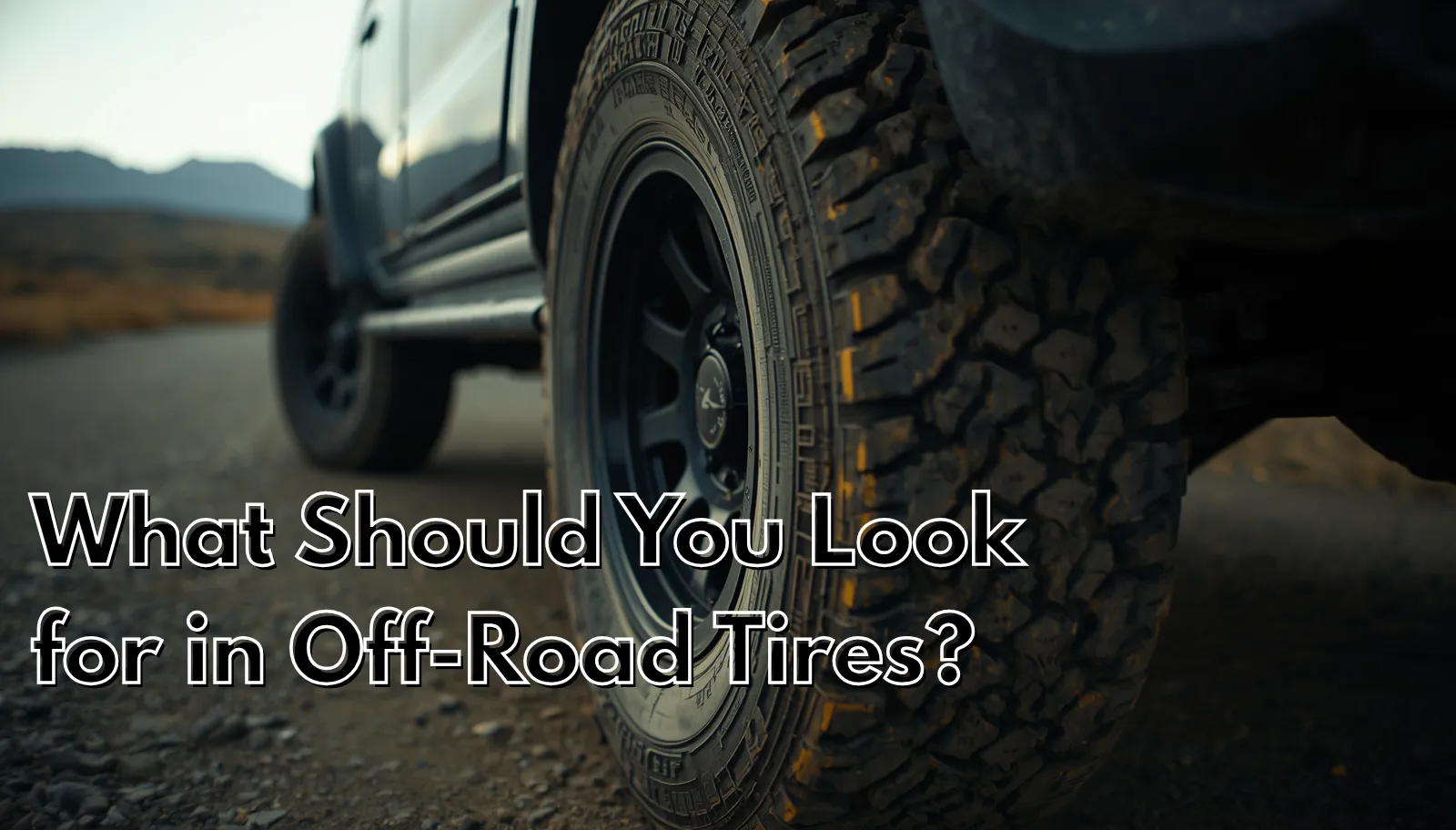
Tires and Wheels Matter
Your lift kit is only part of the equation. The wheels and tires you choose dramatically affect performance, appearance, and clearance. Ensure your wheel offset and backspacing are compatible with your lift and suspension setup to prevent rubbing or poor articulation.
DIY vs Professional Installation
Installing a lift kit at home is possible, especially with leveling or body kits. But suspension lifts are a different beast. They often require cutting, drilling, or recalibrating components like the driveshaft and steering angles.
If you're not experienced with suspension geometry or don’t have the right tools, professional installation is the smarter (and safer) route. Shops can also handle post-install alignment, which is critical to avoid tire wear and poor handling.
Lift Smart, Build Bold
Lifting your truck is one of the most impactful upgrades you can make, but it’s not a decision to take lightly. While the benefits range from off-road capability to standout style, there are real trade-offs in comfort, cost, and drivability. The key is to match the lift to your needs, plan your supporting mods, and invest in quality components from the start.
























Sign in to leave a comment.