Heavy machinery is designed to operate under extreme pressure, but even the toughest equipment eventually develops wear at critical pivot points. A line boring machine plays a vital role in restoring damaged bores, helping equipment regain precision without costly component replacement.
Across construction, mining, and agricultural industries, bore misalignment is one of the most common causes of machinery failure. Instead of replacing entire assemblies, modern repair solutions use advanced machining techniques to restore original tolerances quickly and efficiently.
Understanding how line boring works — and when it becomes necessary — helps equipment owners reduce downtime and protect long-term performance.
What Is a Line Boring Machine?
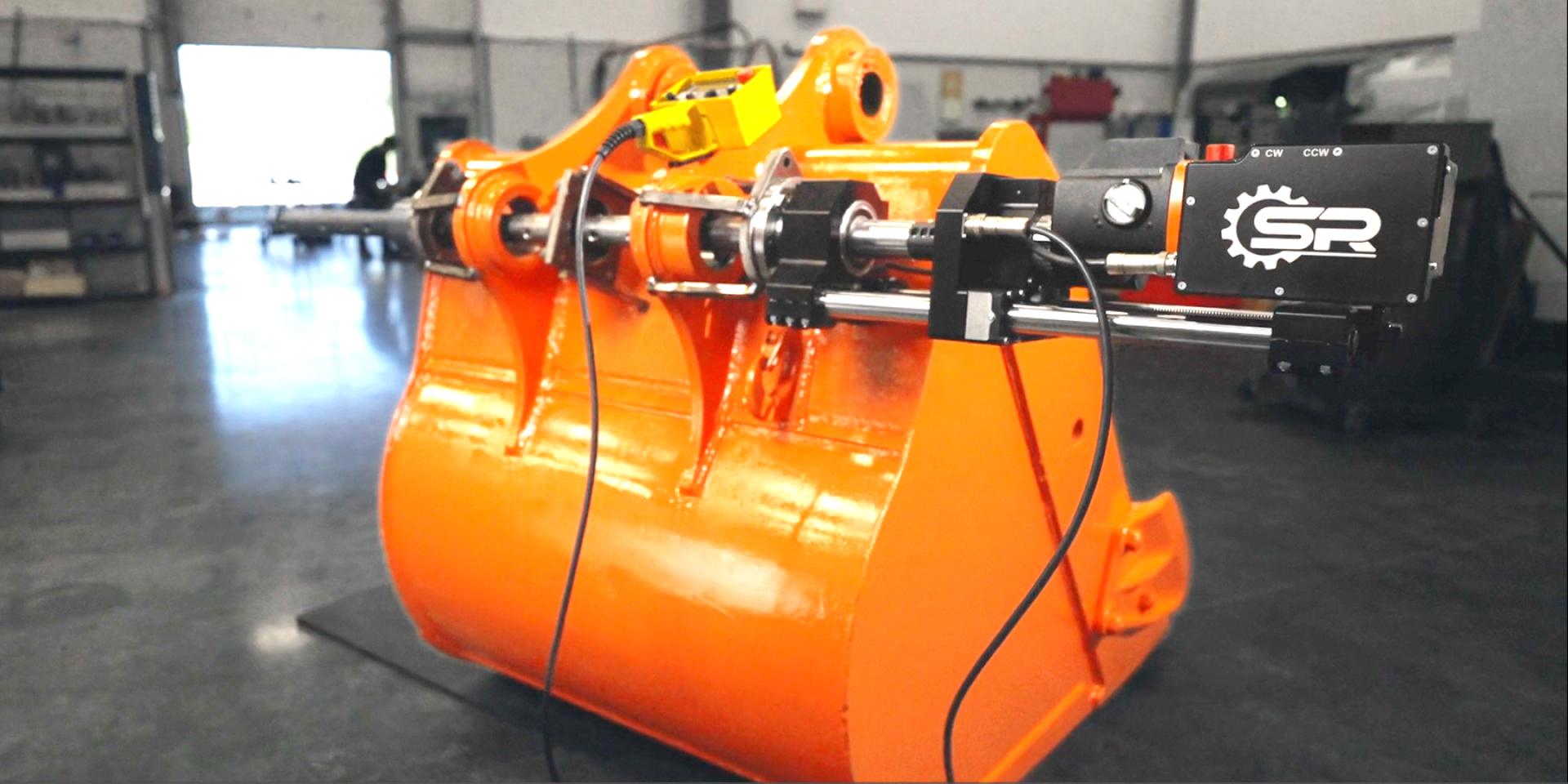
A line boring machine is a specialized precision tool used to repair worn, oversized, or misaligned bore holes in heavy equipment structures. These bores allow pins and bushings to rotate smoothly while supporting heavy loads.
Over time, friction and stress cause these circular holes to deform. When this happens, equipment movement becomes unstable, increasing wear across connected components.
Professional line boring services use precision cutting tools aligned through multiple bores to restore perfect geometry and alignment, bringing machinery back to manufacturer specifications.
Common applications include:
- Excavator boom and arm repairs
- Loader linkage restoration
- Crane pivot alignment
- Hydraulic mounting points
- Mining equipment structural repairs
Why Bore Alignment Is Critical for Equipment Performance
Even minor misalignment can create serious mechanical problems.
When bores shift from their original centerline:
- Loads distribute unevenly
- Pins loosen faster
- Bushings fail prematurely
- Vibration increases throughout the machine
These issues compound over time, leading to expensive breakdowns.
This is why many industries rely on on-site line boring services, allowing technicians to correct alignment directly where the equipment operates, avoiding unnecessary dismantling.
How a Line Boring Machine Works
Precision machining follows a carefully controlled process designed to restore structural accuracy.
Inspection and Measurement
Technicians evaluate wear patterns and measure bore deviation using precision instruments.
Machine Setup
The boring bar is mounted and aligned with the original bore axis to ensure accurate machining.
Cutting and Restoration
The rotating cutting head removes damaged material evenly, restoring roundness and alignment.
Final Finishing
Bushings may be installed or surfaces refined to meet operational tolerances.
Using portable machining services, this entire process can be completed on-site, eliminating transport delays.
Benefits of Using Line Boring Instead of Replacement
Reduced Downtime
Moving heavy machinery to a workshop often stops operations for weeks. On-site machining drastically shortens repair timelines.
Significant Cost Savings
Replacing structural components can cost several times more than machining restoration. Line boring repairs reuse existing equipment while restoring performance.
Precision Comparable to Workshop Repairs
Modern mobile line boring services achieve extremely tight tolerances using advanced portable equipment.
Extended Equipment Lifespan
Correct alignment reduces friction and stress, slowing future wear cycles.
Real-World Example: Excavator Repair on a Remote Job Site
A construction contractor noticed excessive play in an excavator bucket linkage, causing reduced digging accuracy. Transporting the machine to a workshop would have halted the project for over a week.
Instead, technicians performed on-site line boring services, restoring the worn bores directly at the job location. The repair was completed within days, saving transportation costs and preventing project delays.
This practical approach highlights why mobile machining solutions are becoming industry standard.
Industries That Depend on Line Boring Technology
A line boring machine is essential wherever heavy pivot movement exists:
- Mining and earthmoving operations
- Construction equipment fleets
- Agricultural machinery maintenance
- Marine equipment repairs
- Industrial processing plants
Any machine relying on rotating joints benefits from accurate bore restoration.
Signs Your Equipment May Need Line Boring
Early detection prevents major failures. Watch for:
- Loose pins or excessive joint movement
- Uneven bushing wear
- Knocking noises during operation
- Misaligned attachments
- Frequent component replacement
Scheduling professional line boring services early helps prevent structural damage and extended downtime.
Risks of Ignoring Bore Wear
Delaying repairs often leads to compounding mechanical issues:
- Increased hydraulic strain
- Structural cracking
- Higher fuel consumption
- Safety risks for operators
- Unexpected equipment shutdown
Timely repairs using portable machining services stop wear progression before it spreads to surrounding components.
Why On-Site Machining Is the Modern Repair Standard
Industries increasingly prefer mobile repair solutions because they align with productivity goals. Instead of transporting multi-ton equipment, technicians bring precision tools directly to the machine.
Modern mobile line boring services allow businesses to maintain operations while repairs are performed efficiently and safely.
This shift reflects a broader industry move toward faster, cost-effective maintenance strategies.
Preventive Maintenance Tips to Reduce Bore Wear
While wear is unavoidable, proper maintenance slows deterioration:
- Maintain lubrication schedules consistently
- Inspect pivot joints regularly
- Replace worn bushings promptly
- Monitor vibration changes
- Schedule periodic alignment inspections
Preventive care combined with professional on-site line boring services significantly extends repair intervals.
Conclusion
A line boring machine is more than a repair tool — it is a precision solution that restores alignment, improves equipment reliability, and reduces operational costs. By repairing worn bores instead of replacing major components, businesses can maintain productivity while extending machinery lifespan.
With the growing demand for efficiency and reduced downtime, advanced machining solutions such as line boring services, portable machining services, and mobile line boring services have become essential parts of modern heavy equipment maintenance.
FAQs
What is a line boring machine used for?
It restores worn or misaligned bore holes in heavy equipment, ensuring pins and bushings operate correctly.
Can line boring be performed without removing equipment?
Yes, professional on-site line boring services allow repairs to be completed directly at the job site.
How long does a line boring repair last?
When done correctly, repairs can last as long as the original manufacturer's tolerances with proper maintenance.
Is line boring cheaper than replacing components?
In most cases, machining restoration costs significantly less than replacing structural assemblies.
What industries use mobile line boring services?
Construction, mining, agriculture, marine, and industrial sectors commonly rely on these services.
When should I schedule line boring services?
When you notice looseness, vibration, or uneven wear in pivot points, early repair prevents larger failures.
















Sign in to leave a comment.