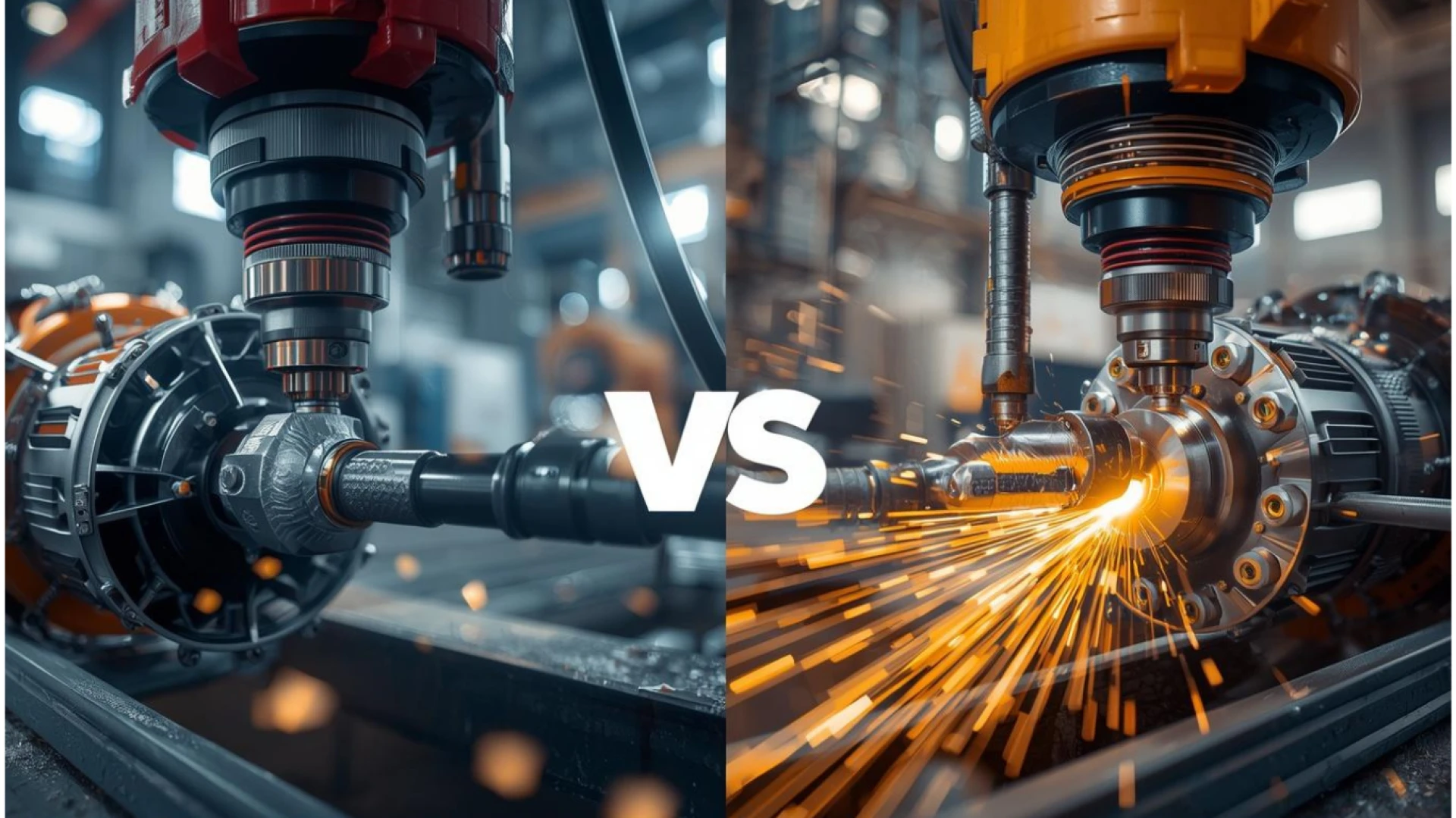
Heavy equipment is built to handle demanding workloads, but over time, even the strongest machinery begins to show wear — especially around pivot points, pins, and bearing housings. When bores become worn or misaligned, equipment performance declines, efficiency suffers, and breakdown risk increases.
At this stage, equipment owners usually face a major decision: repair the damaged area using mobile line boring or replace the entire component.
While replacement might seem like the safest option at first glance, many businesses are discovering that modern repair methods can deliver the same performance at a fraction of the cost. Understanding the financial and operational differences between these two approaches can help you choose the most cost-effective solution.
What Is Mobile Line Boring?
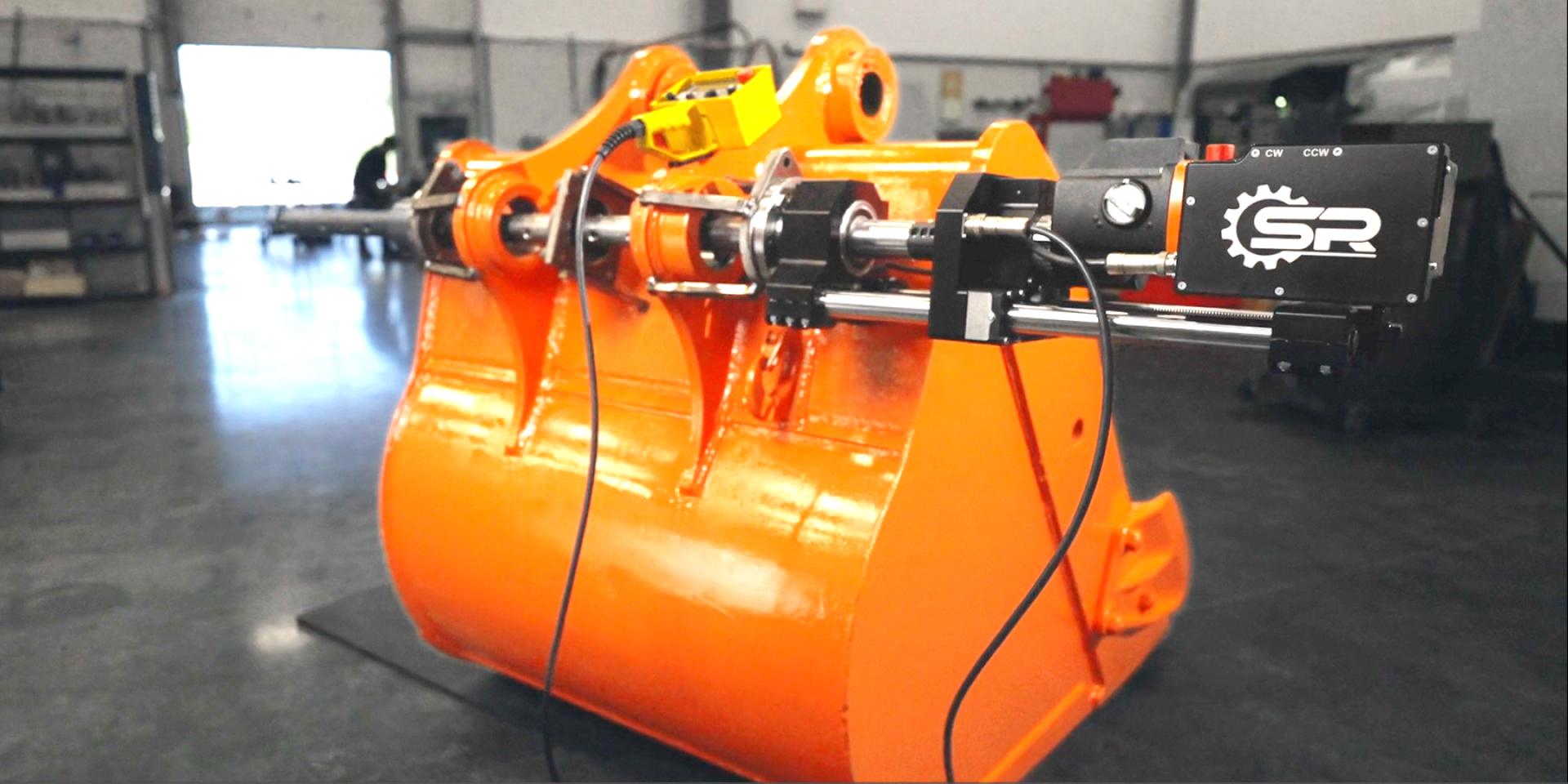
Mobile line boring is a precision machining process used to restore worn or damaged bores directly on equipment. Instead of removing large components and sending them to a workshop, technicians perform machining repairs on-site using portable equipment.
These mobile line boring services allow worn holes, pivot points, and bearing surfaces to be machined back to original specifications without dismantling major assemblies.
The process typically includes:
- Inspection and measurement of wear
- Alignment setup using precision tooling
- Weld build-up when material loss is severe
- Precision re-machining to correct tolerances
- Final fitting of pins and bushings
Because everything is completed on the machine itself, on-site line boring minimizes disruption and keeps projects moving.
Understanding Component Replacement
Component replacement involves removing damaged sections and installing new or refurbished parts. This approach is sometimes necessary, but it often involves more than simply swapping parts.
Replacement usually requires:
- Disassembling equipment
- Lifting and transporting heavy components
- Waiting for parts manufacturing or delivery
- Reinstallation and alignment work
- Extended machine downtime
For large machinery, these steps can quickly increase both direct and indirect costs.
Comparing the Real Costs
1. Downtime and Productivity Loss
One of the biggest expenses in equipment repair is downtime. Every hour a machine sits idle can impact project schedules and revenue.
With on-site line boring services, repairs happen where the machine operates. There is no need for transportation or lengthy teardown procedures, allowing equipment to return to work much faster.
Replacement, on the other hand, often involves waiting days or even weeks for parts and scheduling installation.
2. Transport and Handling Expenses
Large components are not easy — or cheap — to move. Transporting heavy machinery parts requires cranes, specialized vehicles, and additional labor.
By using field machining services, the machining equipment travels to the job instead of moving the machine itself. Eliminating transport reduces costs and removes the risk of damage during handling.
3. Labor and Operational Efficiency
Replacement projects usually involve multiple teams working at different stages. Mechanics remove parts, logistics teams manage transport, and technicians reinstall and align components.
In contrast, portable machining services streamline the repair into one coordinated process. Fewer steps mean fewer labor hours and faster completion times.
4. Cost of New Components
New components can be extremely expensive, particularly for older machines or specialized equipment. Long lead times also create operational uncertainty.
Repairing existing parts through line boring services allows businesses to extend the life of their equipment without major capital investment.
Performance: Repair vs Replacement
A common misconception is that replacement automatically provides better reliability. Modern machining technology proves otherwise.
Precision line boring restores:
- Correct bore alignment
- Proper pin fitment
- Structural accuracy
- Smooth mechanical movement
Because machining occurs within the machine’s natural position, alignment is often more accurate than installing a new component that must be adjusted during assembly.
When performed correctly, repaired components can perform just as effectively as new ones.
When Mobile Line Boring Makes the Most Sense
Mobile machining is often the preferred solution when:
- Wear is limited to bores or pivot areas
- Structural integrity remains intact
- Equipment downtime must be minimized
- Components are difficult or costly to replace
- Machinery cannot easily be transported
Industries relying heavily on heavy equipment maintenance frequently choose repair-first strategies to maintain uptime and control costs.
Situations Where Replacement May Be Necessary
Although repair is highly effective, replacement may still be required if:
- Structural cracking compromises safety
- Metal fatigue is beyond repair limits
- Components are severely damaged from impact or failure
- Compliance standards require new parts
A professional inspection helps determine the most practical solution.
Long-Term Financial Benefits of Repair
Choosing mobile machining over replacement offers advantages beyond immediate savings.
Extended Equipment Life
Restoring worn areas prevents uneven stress across connected components, reducing future failures.
Improved Maintenance Planning
Early repairs stop minor wear from becoming major breakdowns.
Reduced Operational Disruption
Faster repairs keep projects on schedule and teams productive.
Sustainable Equipment Management
Repairing components instead of replacing them reduces material waste and supports more efficient resource use.
A Practical Example
Consider a machine experiencing excessive play in a boom pivot due to worn bores.
Replacement approach:
- Remove major assemblies
- Order replacement parts
- Transport components
- Install and realign
Mobile line boring approach:
- Weld worn areas
- Perform precision machining on-site
- Restore alignment immediately
- Resume operation quickly
In many real-world cases, on-site machining significantly lowers overall repair expenses while achieving the same functional outcome.
Which Option Saves More Money?
For most wear-related issues, mobile line boring provides a better financial result.
It reduces downtime, eliminates transportation costs, minimizes labor requirements, and restores equipment accuracy without replacing expensive components. Replacement remains important for severe structural damage, but for typical bore wear and misalignment, repair is often the smarter investment.
Modern maintenance strategies increasingly focus on restoring precision rather than replacing entire assemblies — helping businesses maintain productivity while controlling costs.
Frequently Asked Questions
1. How long does mobile line boring take?
Most repairs are completed within a short timeframe, depending on the severity of wear, making it much faster than ordering and installing replacement parts.
2. Is the on-site line boring reliable for heavy equipment?
Yes. Precision machining restores original tolerances, ensuring proper alignment and long-term performance.
3. Can badly worn bores still be repaired?
In many cases, yes. Welding and re-machining techniques allow technicians to rebuild worn surfaces before boring them back to specification.
4. Does portable machining reduce future wear?
Properly aligned bores reduce stress on pins and bushings, which helps extend component lifespan.
5. What equipment commonly requires line boring services?
Excavators, loaders, cranes, agricultural machines, and industrial equipment with pivot points or rotating assemblies frequently benefit from this repair method.


















Sign in to leave a comment.