

Many authors use literary PR and book marketing as if they mean the same thing.
They don't.
Understanding the difference affects how you spend your budget, what results you should expect, and whether you're hiring the right type of professional before your book launches.
A common mistake is expecting publicity to behave like advertising, or expecting advertising to create the credibility that publicity is designed to build.
Literary PR and book marketing serve different purposes
The simplest distinction is this:
- Book marketing helps you buy visibility.
- Literary PR helps you earn attention.
Marketing includes activities such as Amazon Ads, Meta advertising, BookBub Featured Deals, paid newsletter placements, price promotions, and sponsored campaigns. You decide when the campaign runs, who sees it, and how much you spend.
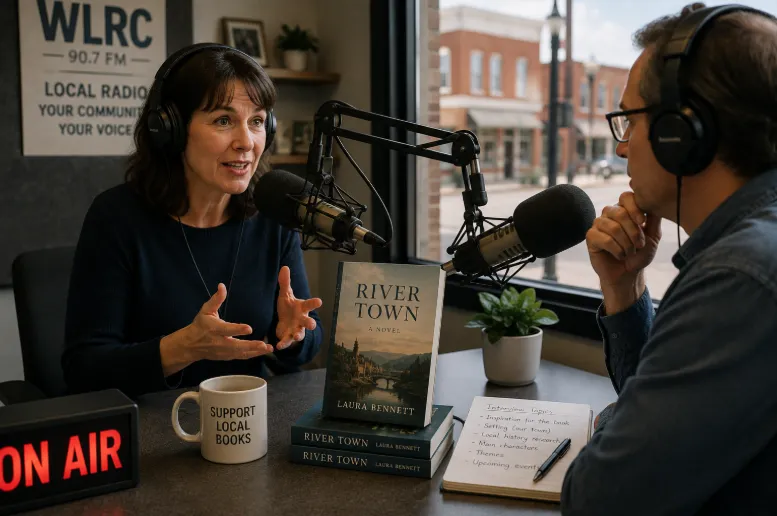
Literary PR focuses on earned coverage. That includes newspaper features, magazine interviews, podcast appearances, trade reviews, television segments, and editorial recommendations.
Editors, reviewers, and journalists decide whether your story deserves coverage. You cannot purchase that editorial decision.
That independence is why earned media often carries more credibility than advertising alone.
Why this matters when planning your budget
Advertising provides predictable control.
You can monitor impressions, clicks, and spending through advertising platforms. If a campaign underperforms, you can adjust the budget or targeting immediately.
Publicity works differently.
You might pitch a journalist and receive an interview request two days later. You might also hear nothing at all. The timeline is less predictable because editors make independent decisions based on editorial priorities, not advertising budgets.
That uncertainty discourages some authors.
In practice, though, publicity and marketing solve different problems rather than competing with each other.
A newspaper feature, podcast interview, or respected review creates credibility. Advertising can then introduce that coverage to more readers.
A quick comparison
| Literary PR | Book marketing |
| Earned media coverage | Paid promotion |
| Reviews, interviews, podcasts | Ads, sponsored newsletters, promotions |
| Editorial decisions made by others | Full control over budget and targeting |
| Builds credibility | Builds visibility |
| Results are less predictable | Performance can be measured and adjusted quickly |
Neither approach is automatically better.
Your publication goals, genre, budget, and timeline determine how much emphasis each deserves.
Where the two overlap
Some activities combine elements of both.
For example:
- Bookstagram and BookTok partnerships may be paid or organic, depending on the creator.
- Bookstore events can be earned through relationships or require sponsorship fees.
- Sponsored content may resemble editorial coverage, but reputable publications clearly disclose paid placements.
The Independent Book Publishers Association (IBPA) also publishes practical guidance on book marketing and publicity, making it a useful resource if you're deciding where different promotional activities fit into your launch plan.
Do you need both?
Not always.
If your budget is limited, you do not have to invest heavily in both publicity and advertising from the beginning.
For example, a nonfiction author with a strong professional background may benefit more from media interviews and podcast appearances than from a large advertising campaign. A genre novelist with an established readership may choose to invest more heavily in Amazon Ads or BookBub promotions.
The important point is making that decision intentionally instead of assuming PR and marketing produce the same outcome.
The Alliance of Independent Authors (ALLi) has published practical advice on balancing publicity and marketing budgets, particularly for self-published authors planning a launch.
How to tell whether something is PR or marketing
Ask yourself one question:
Are you paying for placement, or are you asking someone to cover your book because they believe it is worth covering?
If payment is required for visibility, it belongs in your marketing budget.
If someone independently decides to review, interview, or feature your book, that falls under literary PR.
The distinction is straightforward, even if some promotional tactics combine elements of both.
Choose the right expertise
Before hiring an agency or freelancer, ask what they actually specialize in.
A literary publicist spends time building relationships with journalists, editors, reviewers, podcast hosts, and producers.
A marketing specialist focuses on advertising platforms, audience targeting, campaign optimization, and performance metrics.
Some firms provide both services. Others specialize in one.
Understanding that difference before signing a contract helps you match your investment with the outcome you're looking for.
If you're planning your book launch, separate your publicity plan from your marketing plan before setting your budget. Once you know which activities belong in each category, you'll have a much clearer picture of where your time and money should go.





























Sign in to leave a comment.