In the age of instant gratification and real-time engagement, live shopping has emerged as a powerful tool for brands to drive sales and create interactive experiences. Also known as live commerce or live selling, this trend combines video streaming with eCommerce, allowing viewers to watch product demonstrations, interact with hosts, and make purchases in real-time—all from the comfort of their devices.
But what exactly is live shopping, and how are brands harnessing its potential to grow their revenue? Let’s dive in.
What Is Live Shopping?
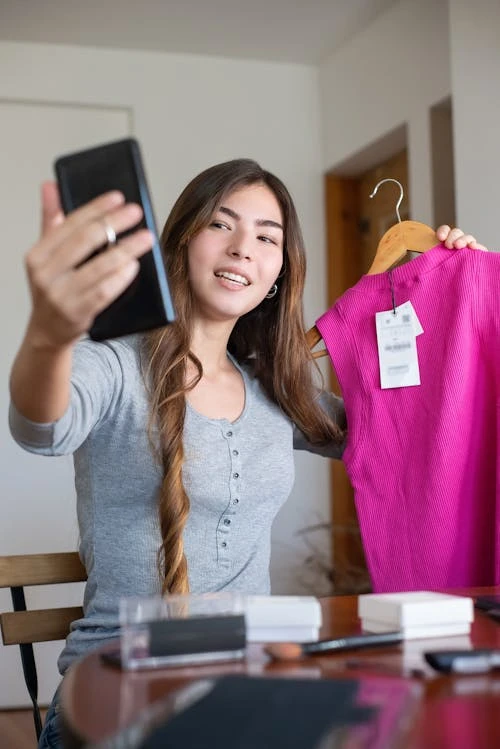
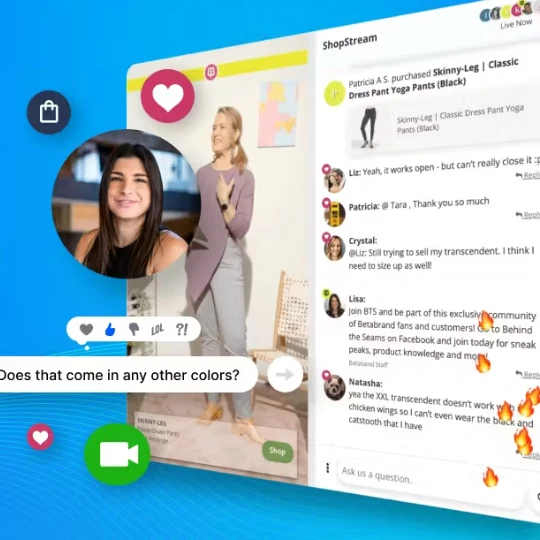
Live shopping platform is a blend of live video streaming and online retail. Typically hosted on social media platforms, brand websites, or dedicated apps, these sessions allow presenters—whether influencers, store staff, or brand ambassadors—to showcase products, answer viewer questions, and offer exclusive deals. It replicates the personal feel of in-store shopping while giving the audience the convenience of buying directly through the stream.
Why It Works: The Psychology Behind Live Shopping
Live shopping taps into several psychological triggers that influence buying decisions:
- Urgency: Limited-time deals and real-time availability create a fear of missing out (FOMO).
- Trust: Watching someone physically demonstrate a product builds credibility.
- Engagement: Interactive Q&A and shoutouts make viewers feel involved.
- Entertainment: The format is dynamic, often fun, and more engaging than scrolling through product pages.
This combination turns passive shoppers into active participants, significantly improving conversion rates.
How Top Brands Are Using Live Streams to Sell
- Beauty and Skincare Brands: Companies like Sephora and L’Oréal have adopted live shopping to offer tutorials, product launches, and skincare advice from professionals. By demonstrating how products work in real-time and answering questions live, they’ve seen increased engagement and faster sales.
- Fashion Retailers: Fashion brands are using live streams to showcase new collections, offer styling tips, and provide size guidance. ASOS, Zara, and Nordstrom, for example, use live events to humanize their digital storefronts while offering behind-the-scenes exclusives.
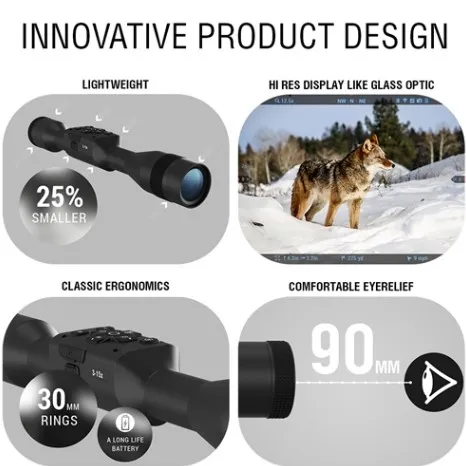
- Electronics and Gadgets: Tech brands use live demos to highlight features, compare models, and show performance in action. This visual proof helps customers make informed decisions, reducing returns and boosting satisfaction.
- Small Businesses and DTC Brands: Even smaller sellers and direct-to-consumer (DTC) startups are leveraging Shopify live shopping via platforms like Instagram, Facebook Live, and TikTok. The informal, authentic vibe of these streams often resonates more deeply with audiences than polished ads.
Platforms Powering Live Shopping
While some brands host live shopping events on their own websites using tools like Mylivecart or Shopify’s built-in solutions, others rely on social platforms:
- Instagram Live and Facebook Live offer easy integration with product catalogs.
- TikTok Live has become a viral space for Gen Z-driven commerce.
- YouTube Live allows for long-form demonstrations with clickable product links.
This versatility ensures brands can reach their audience where they’re already spending time.
Final Thoughts: The Future of Live Shopping
Live shopping is more than just a trend—it’s a shift in how consumers interact with products online. It brings the in-store experience to the digital world, creating a sense of immediacy, trust, and excitement.
For brands looking to stand out in a competitive market, adopting live shopping isn’t just an option—it’s becoming a necessity. As technology evolves and consumer expectations grow, those who embrace this interactive, human-centered approach to selling will be better positioned to thrive in the new era of eCommerce.



























Sign in to leave a comment.