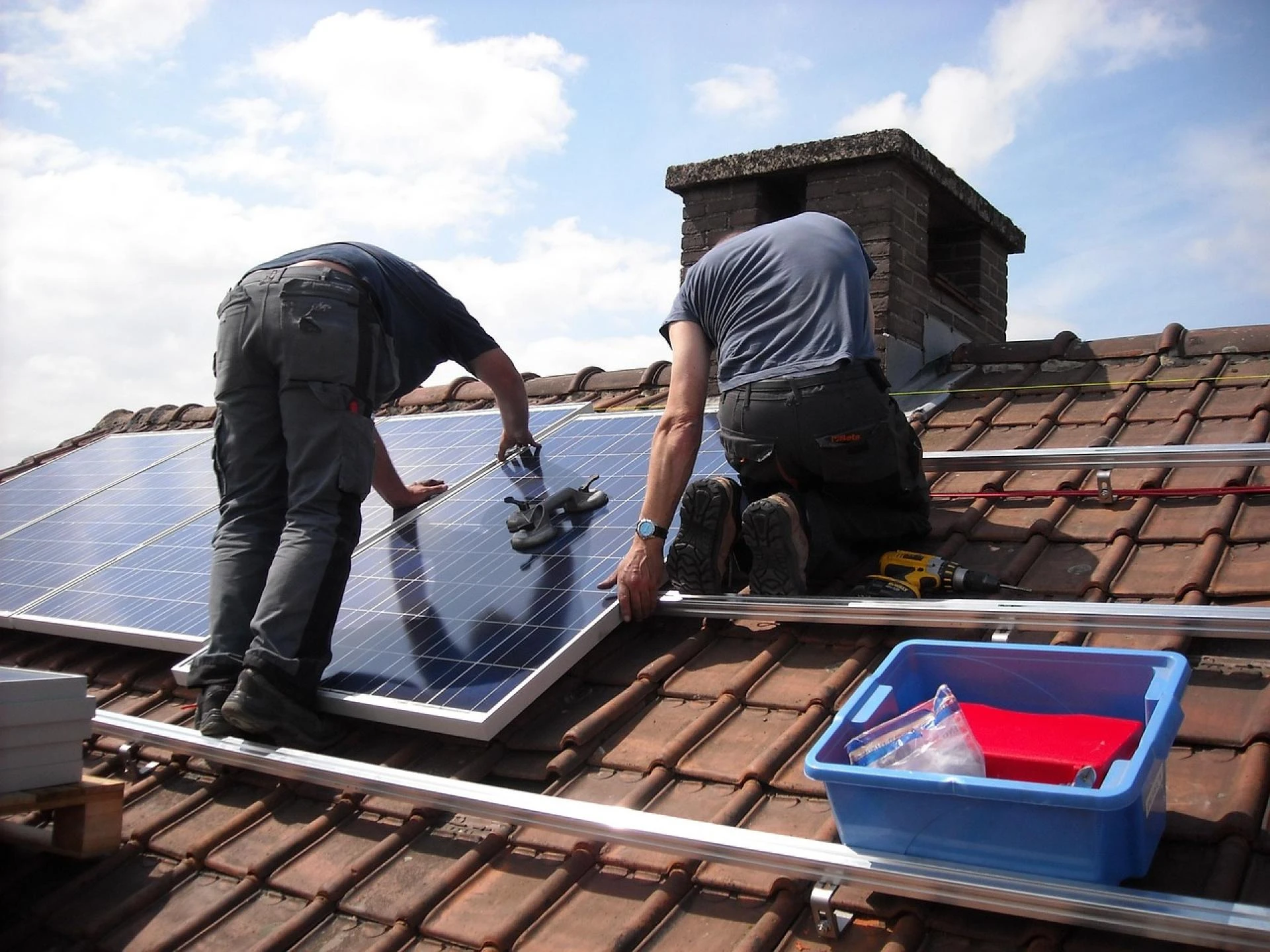

Balancing Performance and Durability in Rooftop Solar Installation
A well-executed rooftop solar installation must achieve more than energy generation; it must also protect the roof that supports it. The roof serves as a building’s primary barrier against weather, and any additional system placed on it introduces new structural, mechanical, and environmental interactions. Long-term roof preservation depends on careful planning that accounts for load distribution, material compatibility, drainage, and maintenance access. Without these considerations, solar installations can accelerate roof aging rather than extend its functional life.
Real-world experience has shown that roofs nearing the end of their service life are particularly vulnerable. In commercial settings, installing solar on an aging membrane roof without reinforcement or replacement often leads to premature failures, requiring costly system removal and reinstallation. As a result, lifecycle planning has become a foundational element of sustainable solar design.
Role of Solar Panel Mounting Systems in Roof Preservation
The choice and design of solar panel mounting systems play a critical role in minimizing roof degradation over time. Mounting systems determine how loads are transferred to the roof structure, how penetrations are sealed, and how the roof responds to thermal expansion and wind forces. Poorly designed mounts can create point loads, compromise waterproofing layers, or restrict natural roof movement.
For example, ballasted mounting systems used on flat roofs distribute weight across a larger surface area, reducing the need for penetrations. However, they require precise load calculations to ensure the roof can support the additional mass. In contrast, mechanically attached systems may use fewer materials but demand meticulous flashing and sealing to prevent water intrusion over decades of exposure.
Material Compatibility and Environmental Stress
Roof preservation strategies must also account for material interactions. Metal roofs, asphalt shingles, and single-ply membranes all respond differently to fasteners, clamps, and temperature fluctuations. A mounting solution suitable for one roof type may be inappropriate for another. Mismatched materials can lead to corrosion, membrane abrasion, or stress fractures.
Environmental factors further complicate these interactions. Repeated thermal cycling can loosen fasteners, while high winds can introduce uplift forces that strain roof attachments. Regions with heavy snow loads or frequent storms often adopt enhanced mounting standards to mitigate these risks, based on lessons learned from past system failures.
Maintenance Planning and Access Considerations
Long-term roof preservation is closely tied to maintenance planning. Solar layouts that allow clear access to drains, seams, and rooftop equipment enable routine inspections without disturbing the system. In practice, buildings with well-planned access paths experience fewer roof leaks and faster issue resolution, reducing overall lifecycle costs.
Future Outlook: Integrated Design for Longevity
Looking ahead, roof preservation strategies are increasingly integrated into solar design from the outset. Advances in modular mounting systems, improved waterproofing technologies, and digital monitoring tools are helping align solar lifespan with roofing systems. Future standards are likely to emphasize co-designed roof-and-solar solutions, ensuring that energy generation and structural preservation evolve together.






















Sign in to leave a comment.