

Diabetes can affect more than just blood sugar—it can seriously impact your vision. One of the most common and potentially sight-threatening complications is diabetic retinopathy. If you’re searching for a diabetic retinopathy specialist in Tampa, understanding when to seek care and what to expect can help you protect your eyesight and make informed decisions early.
What Is Diabetic Retinopathy?
Diabetic retinopathy is an eye condition caused by damage to the blood vessels in the retina due to prolonged high blood sugar levels. It often develops silently, especially in the early stages, and may not cause noticeable symptoms until vision loss has already begun.
Common Symptoms to Watch For:
- Blurred or fluctuating vision.
- Dark spots or floaters.
- Difficulty seeing at night.
- Sudden vision changes or loss.
Early detection through regular eye exams is the most effective way to prevent permanent damage.
Why Seeing a Specialist in Tampa Matters?
A general eye exam is important, but diabetic retinopathy requires advanced expertise. A diabetic retinopathy specialist in Tampa—often a retina specialist or ophthalmologist with experience in diabetic eye disease—has the training and technology to detect subtle retinal changes and provide targeted treatment.
Benefits of Choosing a Local Tampa Specialist:
- Access to advanced retinal imaging and diagnostics.
- Experience managing diabetic eye disease in diverse patient populations.
- Coordinated care with your primary physician or endocrinologist.
- Timely follow-ups and emergency care when needed.
Local expertise ensures continuity of care and faster intervention if your condition progresses.
How Diabetic Retinopathy Is Diagnosed?
Specialists use comprehensive eye exams and advanced tools to assess retinal health. These may include:
- Dilated eye examinations.
- Optical Coherence Tomography (OCT).
- Fluorescein angiography.
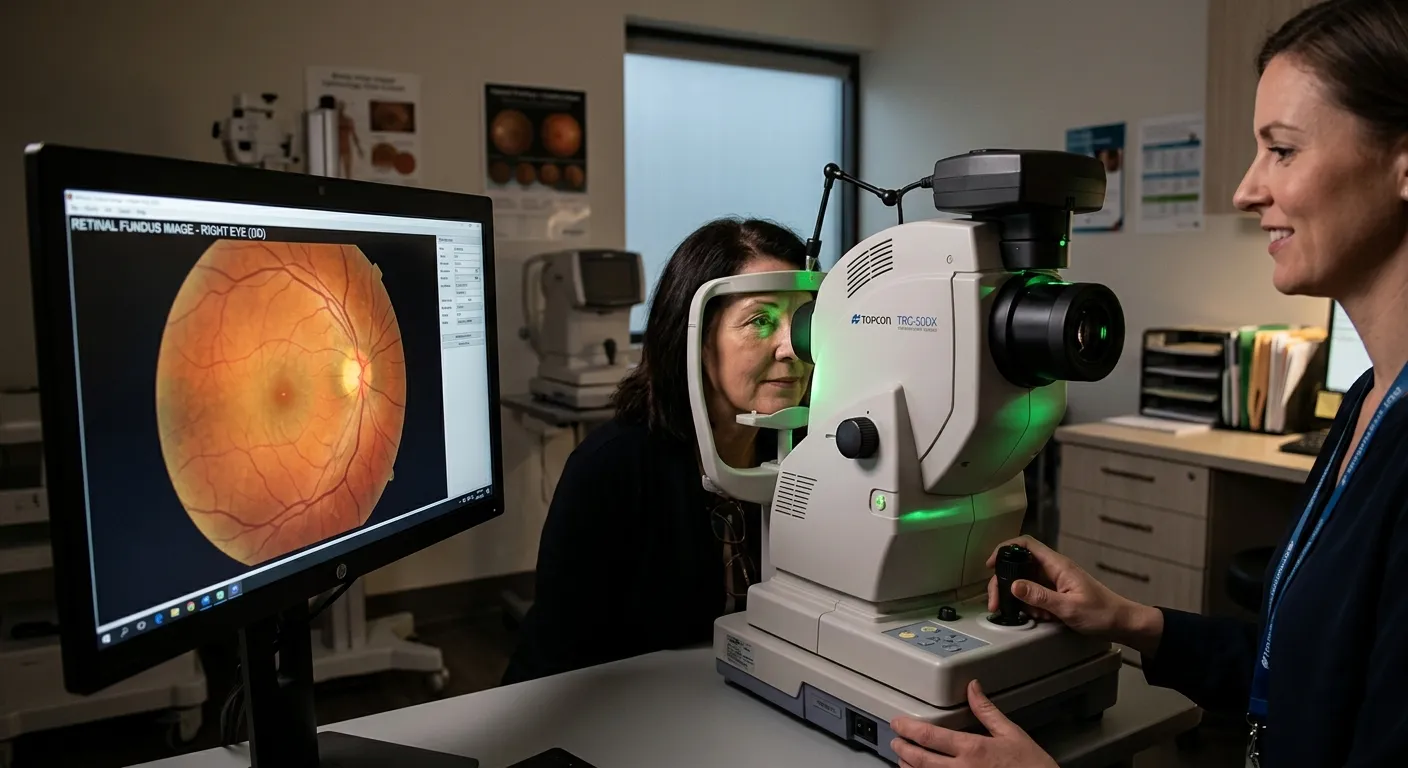
- Digital retinal photography.
These diagnostic methods help determine the stage of diabetic retinopathy—mild, moderate, severe, or proliferative—and guide treatment decisions.
Treatment Options You Should Know About
Treatment depends on the severity of the disease. A diabetic retinopathy specialist may recommend one or more of the following:
- Common Treatment Approaches.
- Anti-VEGF injections to reduce swelling and abnormal blood vessel growth.
- Laser therapy to seal leaking blood vessels.
- Steroid injections or implants.
- Vitrectomy surgery in advanced cases.
Early-stage diabetic retinopathy may only require close monitoring, reinforcing why routine exams are critical.
When Should You See a Specialist?
You should schedule an appointment with a specialist if:
- You’ve had diabetes for more than 5 years
- You notice changes in vision
- Your blood sugar levels are poorly controlled
- Your primary eye doctor refers you for retinal care
Even without symptoms, annual dilated eye exams are recommended for people with diabetes.
How to Choose the Right Diabetic Retinopathy Specialist in Tampa?
When evaluating your options, look for:
- Board-certified ophthalmologists or retina specialists
- Experience specifically treating diabetic retinopathy
- Access to modern diagnostic and treatment technology
- Positive patient reviews and referrals
- Clear communication and personalized care plans
Wrapping Up
Diabetic retinopathy is a serious condition, but vision loss is often preventable with early diagnosis and expert treatment. Choosing the right diabetic retinopathy specialist in Tampa ensures you receive specialized care tailored to your condition, lifestyle, and long-term eye health. If you or a loved one has diabetes, don’t wait for symptoms—schedule a comprehensive eye exam and take proactive steps to safeguard your vision today.






























Sign in to leave a comment.