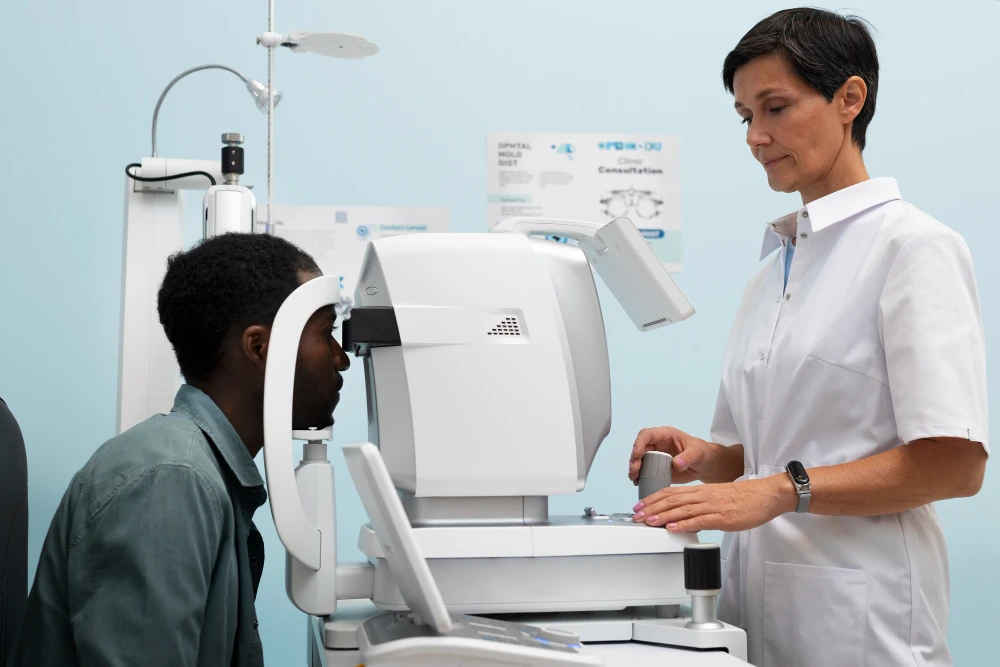

Diabetes affects millions of people and can lead to serious eye complications if not managed properly. One of the most common and vision-threatening conditions linked to diabetes is diabetic retinopathy. Early diagnosis and timely treatment are critical to preserving eyesight. That is why consulting a diabetic retinopathy specialist in Clearwater residents trust is essential for long-term eye health and quality of life.
Diabetic retinopathy develops when high blood sugar damages the tiny blood vessels in the retina. In its early stages, it may not cause noticeable symptoms, making regular eye exams with an experienced ophthalmologist especially important.
What Is Diabetic Retinopathy?
Diabetic retinopathy is a progressive eye disease caused by prolonged diabetes. Over time, weakened retinal blood vessels may leak fluid or bleed, leading to vision changes or even blindness if untreated.
There are two main stages:
- Non-proliferative diabetic retinopathy (NPDR): Early stage with mild to moderate vessel damage.
- Proliferative diabetic retinopathy (PDR): Advanced stage where abnormal new blood vessels grow, increasing the risk of severe vision loss.
Why You Should See an Ophthalmologist, Not Just an Optometrist?
While optometrists play an important role in routine eye care, an ophthalmologist is a medical doctor specializing in eye diseases and surgical treatments. For diabetic retinopathy, this expertise is crucial.
An ophthalmologist can:
- Diagnose diabetic retinopathy at its earliest stages.
- Use advanced imaging like OCT and fluorescein angiography.
- Provide medical and surgical treatments when needed.
- Manage complex or advanced retinal conditions.
Seeing a retina-focused ophthalmologist ensures comprehensive care tailored to diabetic eye disease.
Benefits of Early Detection and Treatment
Early intervention can significantly slow or stop disease progression. Regular eye exams help detect subtle retinal changes before vision is affected.
Key benefits include:
- Preserving vision and preventing blindness.
- Reducing the need for invasive treatments later.
- Monitoring diabetes-related eye changes over time.
- Coordinating care with your primary physician or endocrinologist.
Timely care improves outcomes and supports long-term eye health.
Advanced Treatment Options Available in Clearwater
A qualified diabetic retinopathy specialist in Clearwater can offer state-of-the-art treatment options based on disease severity, including:
- Anti-VEGF injections to reduce swelling and abnormal vessel growth.
- Laser therapy to seal leaking blood vessels.
- Steroid treatments for inflammation control.
- Vitrectomy surgery for advanced bleeding or retinal detachment.
These evidence-based treatments are designed to protect vision and improve retinal stability.
Who Is at Higher Risk?
Anyone with diabetes can develop diabetic retinopathy, but certain factors increase risk:
- Long-term diabetes.
- Poor blood sugar control.
- High blood pressure or cholesterol.
- Pregnancy with diabetes.
- Smoking.
If you fall into any of these categories, routine eye exams are especially important.
How Often Should You Get Your Eyes Checked?
Most patients with diabetes should have a comprehensive dilated eye exam at least once a year. However, your ophthalmologist may recommend more frequent visits if retinal changes are detected.
Regular monitoring allows your doctor to adjust treatment plans and respond quickly to disease progression.
Wrapping Up
Diabetic retinopathy is a serious but manageable condition when detected early and treated by the right specialist. Choosing an experienced ophthalmologist ensures accurate diagnosis, advanced treatment options, and personalized care. If you have diabetes, prioritizing regular eye exams with a trusted diabetic retinopathy specialist in Clearwater is one of the most important steps you can take to protect your vision and overall quality of life.
















Sign in to leave a comment.