
Macular degeneration is a leading cause of vision loss, particularly in older adults. If you or a loved one has been diagnosed with this condition, finding the right treatment in Wesley Chapel is crucial.
This article explores the causes, symptoms, and available treatments for macular degeneration in Wesley Chapel to help you make informed decisions about your eye health.
What is Macular Degeneration?
Macular degeneration is a progressive eye disease that affects the macula, the central part of the retina responsible for sharp, detailed vision. The condition is classified into two main types:
- Dry (Atrophic) Macular Degeneration: This is the most common form, accounting for about 80-90% of cases. It occurs due to the gradual thinning of the macula and the accumulation of drusen (yellow deposits) beneath the retina.
- Wet (Neovascular) Macular Degeneration: This less common but more severe form involves abnormal blood vessel growth under the retina, leading to leakage and rapid vision loss.
Causes and Risk Factors
Macular degeneration is primarily linked to aging, but several risk factors can increase the likelihood of developing the condition:
- Age: Most cases occur in individuals over 50.
- Genetics: A family history of macular degeneration increases the risk.
- Smoking: Tobacco use significantly raises the chances of developing the disease.
- Diet and Lifestyle: Poor nutrition, high-fat diets, and obesity contribute to macular degeneration.
- High Blood Pressure: Hypertension can damage retinal blood vessels.
- Prolonged Sun Exposure: UV light may play a role in retinal damage over time.
Symptoms of Macular Degeneration
Recognizing the early symptoms of macular degeneration can lead to timely treatment and better management. Common signs include:
- Blurred or distorted vision
- Difficulty reading or recognizing faces
- Dark spots in the central vision
- Reduced color perception
- Increased light sensitivity
If you experience any of these symptoms, seeking expert care in Wesley Chapel is essential for early diagnosis and treatment.
Diagnosis of Macular Degeneration
Eye specialists in Wesley Chapel use various diagnostic tools to assess macular degeneration, including:
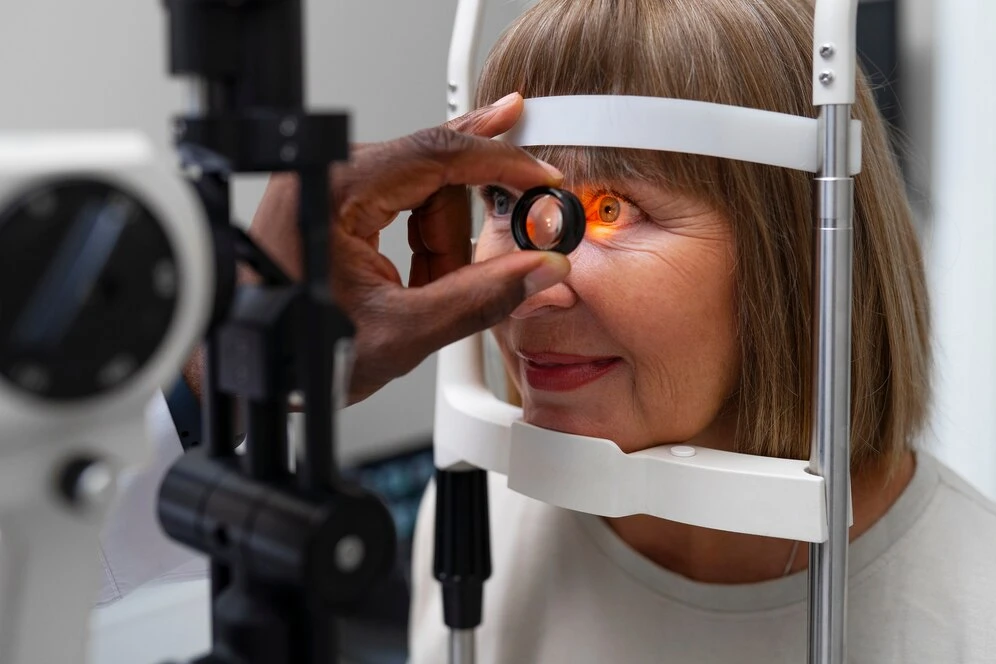
- Dilated Eye Exam: The doctor examines the retina for signs of macular damage.
- Optical Coherence Tomography (OCT): This imaging test provides detailed cross-sectional images of the retina.
- Fluorescein Angiography: A special dye is injected into the bloodstream to highlight abnormal blood vessels.
- Amsler Grid Test: Patients use a grid to detect distortions in their central vision.
Treatment Options for Macular Degeneration in Wesley Chapel
Although there is no cure for macular degeneration, various treatments can slow its progression and preserve vision. Wesley Chapel offers advanced treatment options, including:
1. Lifestyle and Nutritional Changes
For dry macular degeneration, lifestyle modifications can help protect vision:
- Eating a diet rich in leafy greens, fish, and antioxidants
- Taking AREDS (Age-Related Eye Disease Study) supplements
- Maintaining a healthy weight and exercising regularly
- Quitting smoking
2. Anti-VEGF Injections
For wet macular degeneration, anti-vascular endothelial growth factor (VEGF) injections, such as Lucentis, Eylea, and Avastin, help reduce abnormal blood vessel growth and leakage.
3. Laser Therapy
Laser photocoagulation treatment can destroy abnormal blood vessels in some cases of wet macular degeneration.
4. Photodynamic Therapy (PDT)
This treatment combines laser therapy with a light-sensitive drug to target and destroy abnormal blood vessels.
5. Low Vision Aids
Patients with advanced macular degeneration can benefit from low-vision aids such as magnifiers, specialized glasses, and electronic reading devices.
Finding the Right Eye Specialist in Wesley Chapel
If you are seeking expert care for macular degeneration in Wesley Chapel, choosing the right eye doctor is vital. Look for specialists who offer:
- State-of-the-art diagnostic tools
- Personalized treatment plans
- Access to the latest therapies
- Ongoing patient support and education
Many top-rated ophthalmologists and retina specialists in Wesley Chapel specialize in treating macular degeneration, ensuring the best possible care for patients.
Prevention and Long-Term Care
While macular degeneration cannot always be prevented, taking proactive steps can lower your risk and slow progression:
- Schedule regular eye exams for early detection.
- Protect your eyes with sunglasses that block UV and blue light.
- Manage underlying health conditions like diabetes and hypertension.
- Adopt a nutrient-rich diet with plenty of omega-3 fatty acids, vitamins C and E, zinc, and lutein.
Macular degeneration is a serious condition that requires timely intervention and proper management. If you are experiencing vision changes or have been diagnosed with macular degeneration in Wesley Chapel, seeking expert care can help preserve your sight. From lifestyle changes to advanced medical treatments, various options are available to slow the progression of the disease and improve quality of life. Contact a local eye specialist today to explore the best treatment plan for your needs.
































Sign in to leave a comment.