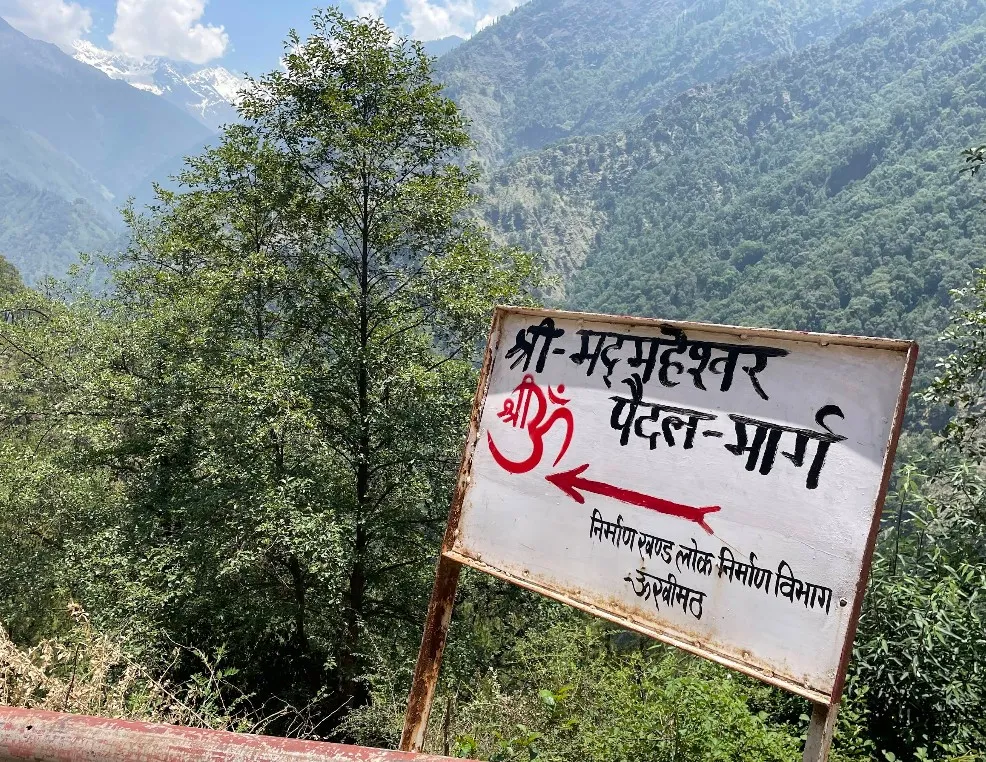

The madmaheshwar trek difficulty often gets misunderstood. Many people label it as easy just because it’s a temple trek, but the reality feels different once you step on the trail.
Located in Uttarakhand, this trek leads to the sacred Madmaheshwar Temple, one of the important shrines in the Panch Kedar. The journey combines spirituality with real physical effort, and that’s where the challenge begins.
If you are planning the Madmaheshwar trek, understanding its true difficulty level will help you prepare better and avoid surprises.
Madmaheshwar Trek Difficulty Level Explained
According to verified trek data, the Madmaheshwar trek falls under the easy to moderate category.
But here’s the important part:
“Easy to moderate” in the Himalayas does not mean easy in real life.
The trek involves:
- Total distance: around 28–32 km
- Maximum altitude: 3,497 meters
- Duration: 3–4 days
- Significant altitude gain in a short span
The trail stays well-defined, but the continuous ascent and long walking hours make it physically demanding.
Why the Trek Feels Difficult
1. Continuous Ascent, Not Breaks
From the base village Ransi Village, the trek begins with a gradual descent, which feels easy at first.
But soon after, the climb starts and continues for long stretches. The ascent does not come in short bursts; instead, it builds gradually and keeps going.
This constant uphill walk is the main reason trekkers feel tired.
2. Steep Climb After Bantoli
The most difficult section comes after Bantoli.
From Lower Bantoli to the temple, trekkers face a steep altitude gain of nearly 5000 feet.
This part includes:
- Long uphill sections
- Reduced pace due to elevation
- Increased fatigue
Even experienced trekkers feel the strain here.
3. Long Trekking Hours
On the main trekking day, you cover around 13 km in 6–7 hours.
That means:
- Consistent walking
- Limited long breaks
- Need for stamina rather than speed
The distance is not extreme, but the effort required over time adds to the difficulty.
4. Terrain Conditions
The trail mostly consists of:
- Mud paths
- Loose gravel
- Stone-paved sections
During monsoon or after rain, these paths become slippery and risky.
So even a moderate trek can suddenly feel difficult depending on weather.
Altitude: Is It a Big Challenge?
The trek reaches around 3,497 meters, which is considered moderate altitude.
Most trekkers do not face serious altitude sickness, but:
- Mild breathlessness can occur
- Fatigue increases faster
- Recovery becomes slower
The altitude alone is manageable, but when combined with steep climbs, it adds to the overall difficulty.
Is Madmaheshwar Trek Difficult for Beginners?
Yes, it can be.
While the trail is not technical, beginners often struggle due to:
- Lack of stamina
- Unfamiliarity with long climbs
- Improper pacing
The trek is still doable for beginners, but only if they prepare properly.
Without preparation, even this “moderate” trek can feel exhausting.
Fitness Level Required
You don’t need professional-level fitness, but basic endurance is essential.
Before attempting this trek, you should be able to:
- Walk 5–6 km comfortably
- Climb stairs for 20–30 minutes
- Carry a light backpack
The trek specifically tests your leg strength and stamina, not technical skills.
Weather and Its Impact on Difficulty
Weather plays a major role in deciding how hard the trek feels.
Best Conditions
- March to June
- September to October
These months offer stable weather and better trekking conditions.
Difficult Conditions
- Monsoon: slippery trails and landslides
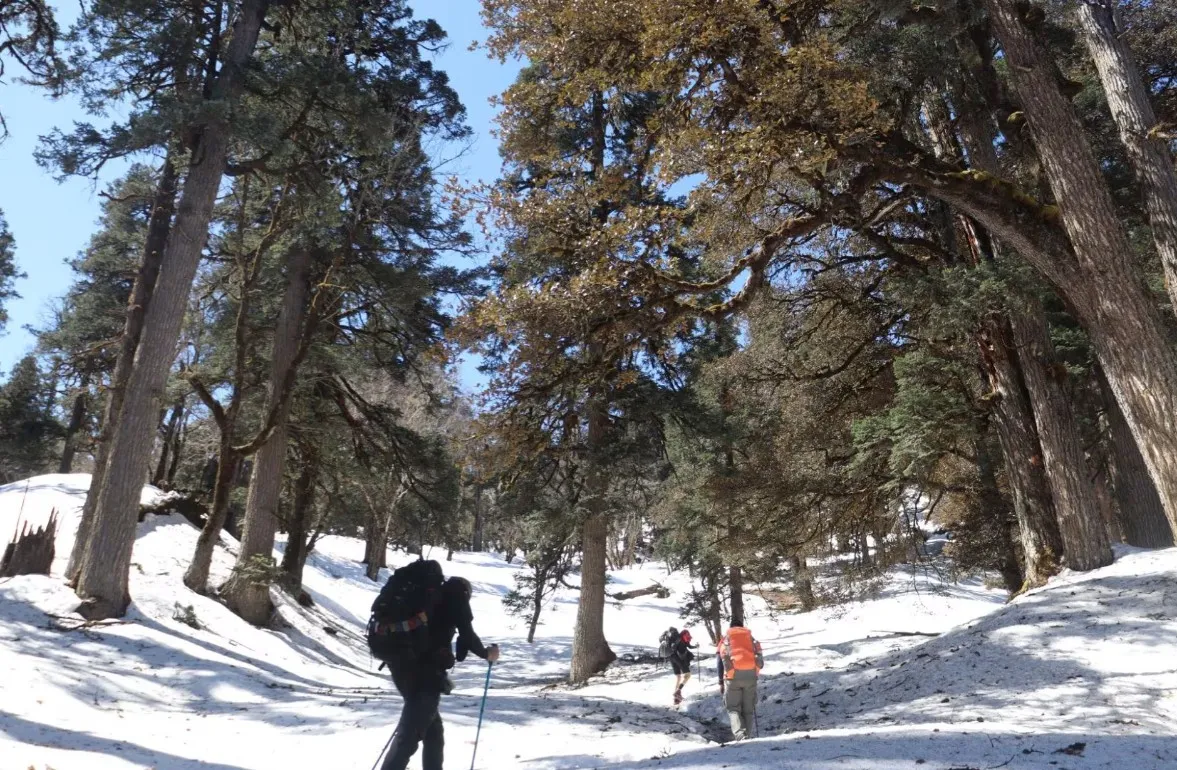
- Winter: heavy snow blocks routes
In bad weather, even experienced trekkers find this route challenging.
Comparing Difficulty with Other Treks
To give you a clearer idea:
- Easier than high-altitude treks like Kedartal
- Slightly tougher than beginner treks
- Comparable to longer Himalayan temple treks
What makes this trek unique is not extreme difficulty, but consistent physical demand.
Mental Challenge: The Underrated Factor
Many trekkers ignore this part.
The trail does not have dramatic changes every hour. You walk through forests, villages, and gradual climbs.
That means:
- You need patience
- You need rhythm
- You need mental consistency
This trek tests your mindset as much as your body.
How to Make the Trek Easier
You cannot reduce the distance or altitude, but you can make it manageable.
Follow these practical tips:
- Start early to avoid fatigue
- Maintain a slow and steady pace
- Take short, frequent breaks
- Stay hydrated
- Avoid carrying extra weight
Most trekking problems come from poor energy management, not from the trail itself.
Facilities and Their Role in Difficulty
The trek offers basic facilities along the route.
Villages like Gaundhar and Bantoli provide:
- Simple accommodation
- Basic meals
- Limited electricity
This lack of comfort adds a slight challenge, especially for first-time trekkers.
But it also keeps the experience raw and authentic.
What Makes It Worth the Effort
Despite the effort, the reward feels powerful.
Reaching Madmaheshwar Temple gives you:
- Peaceful surroundings
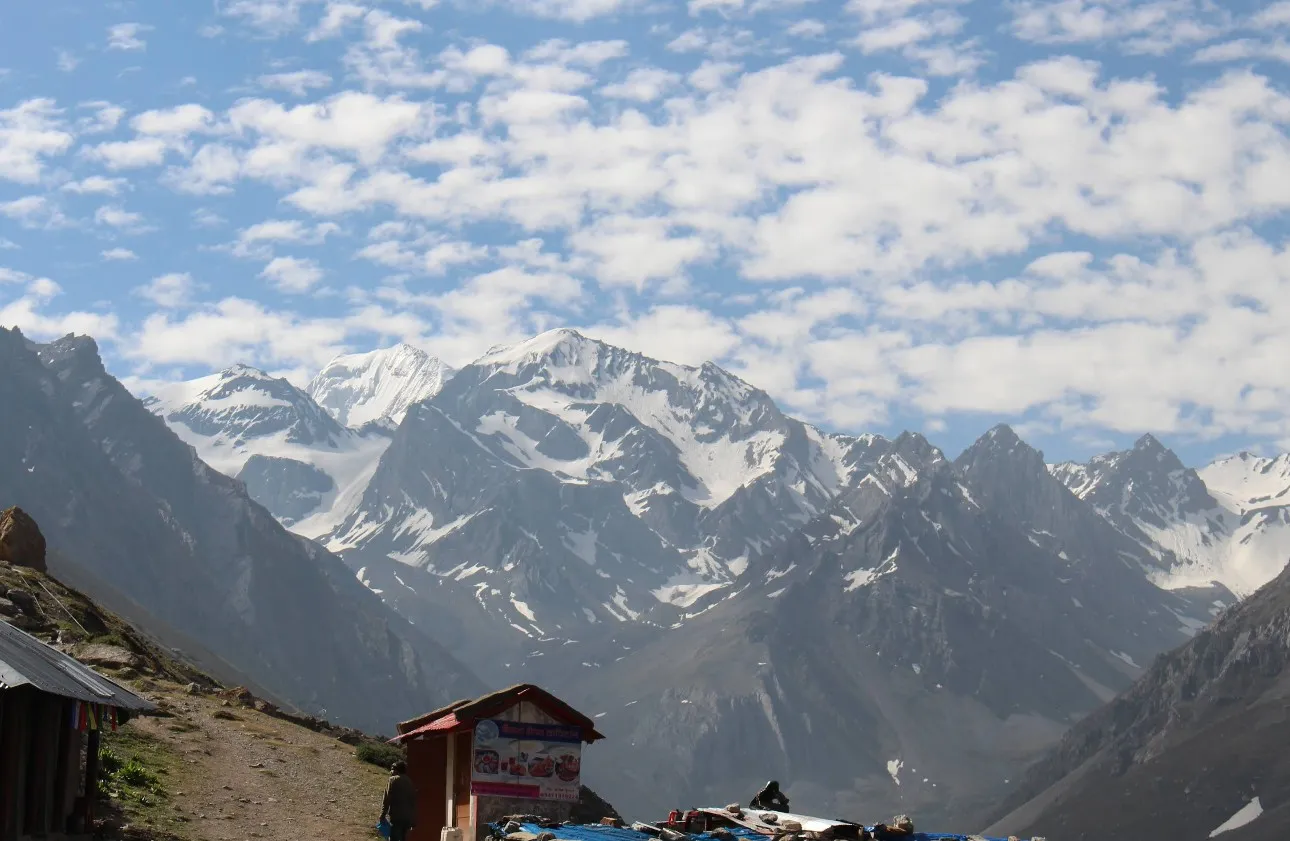
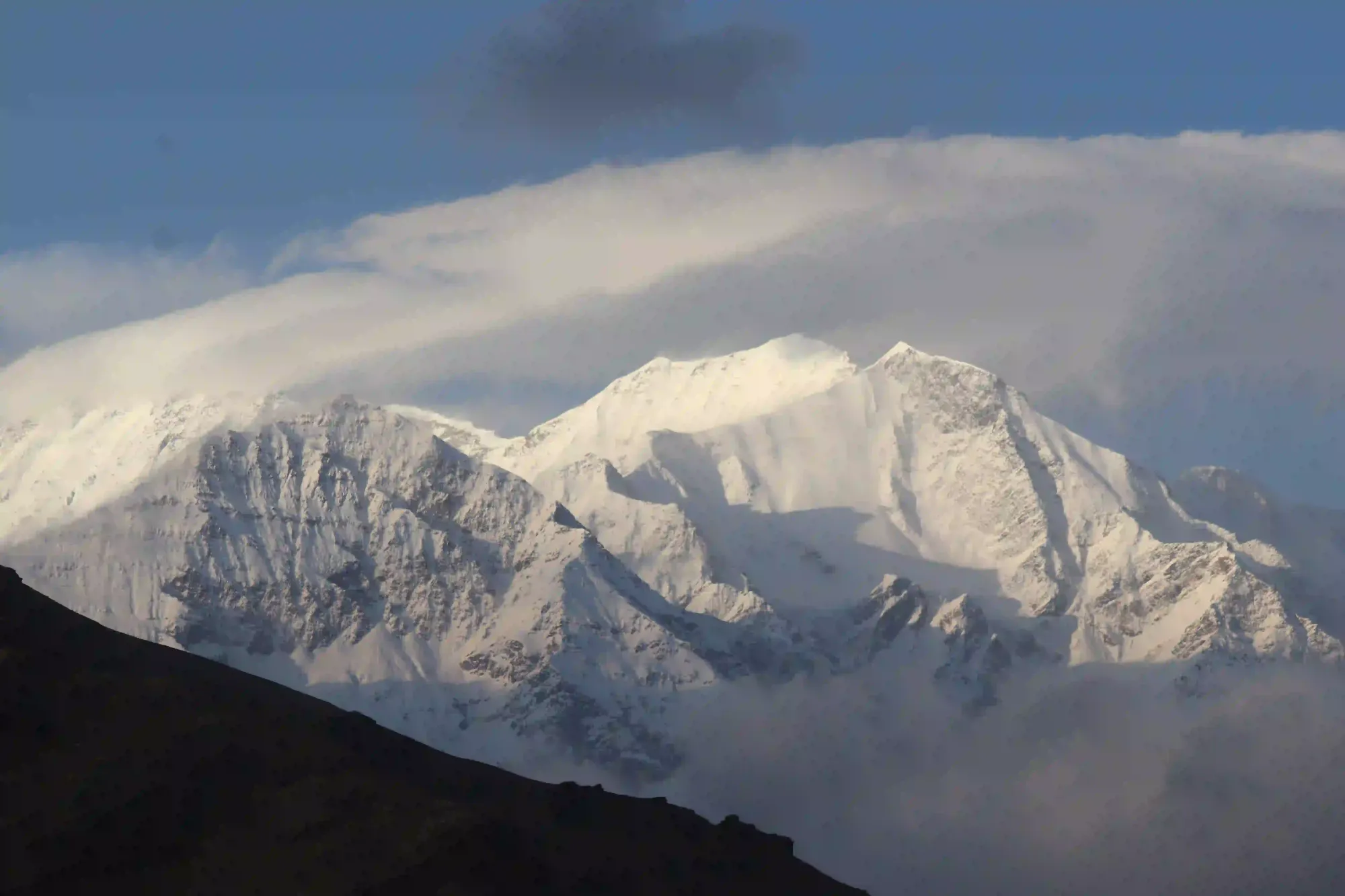
- Himalayan views
- Spiritual atmosphere
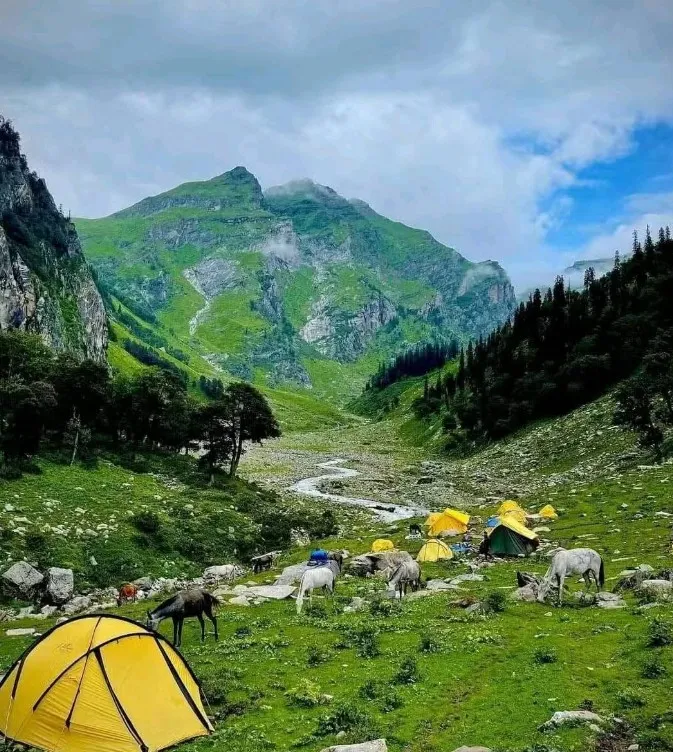
The trek also passes through the Kedarnath Wildlife Sanctuary, offering rich natural beauty and biodiversity.
It’s not just a trek. It’s an experience that combines nature, culture, and effort.
Final Verdict on Madmaheshwar Trek Difficulty
The madmaheshwar trek difficulty sits in a balanced zone.
It is:
- Not too easy to ignore preparation
- Not too hard to feel impossible
It becomes challenging mainly due to:
- Steep ascent after Bantoli
- Long trekking hours
- Weather conditions
With basic fitness and proper planning, most people can complete it successfully.
But if you underestimate it, the trek will quickly remind you that the Himalayas don’t compromise.



















Sign in to leave a comment.