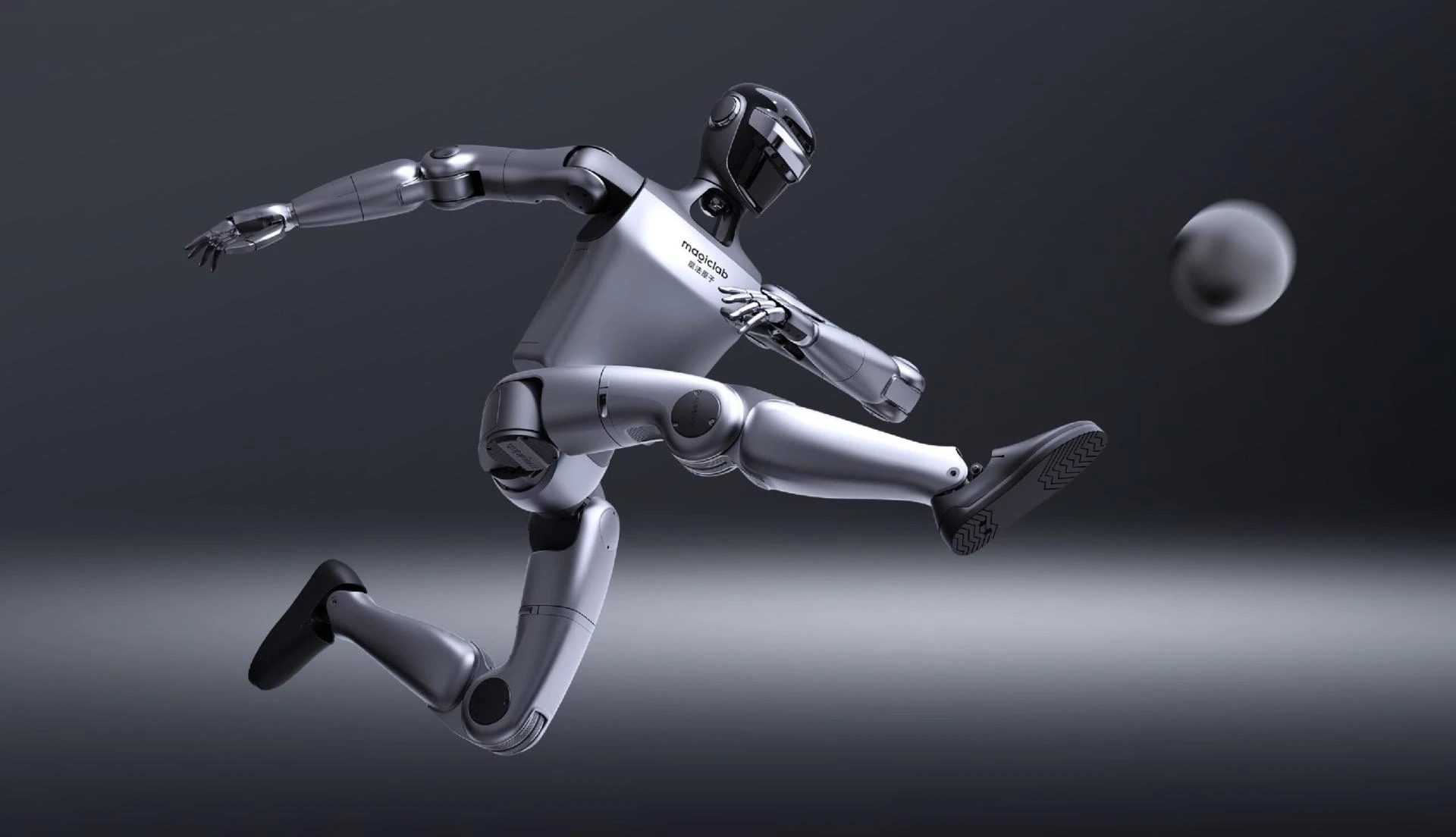

MagicBot Z1: A New Frontier in Defense Capability
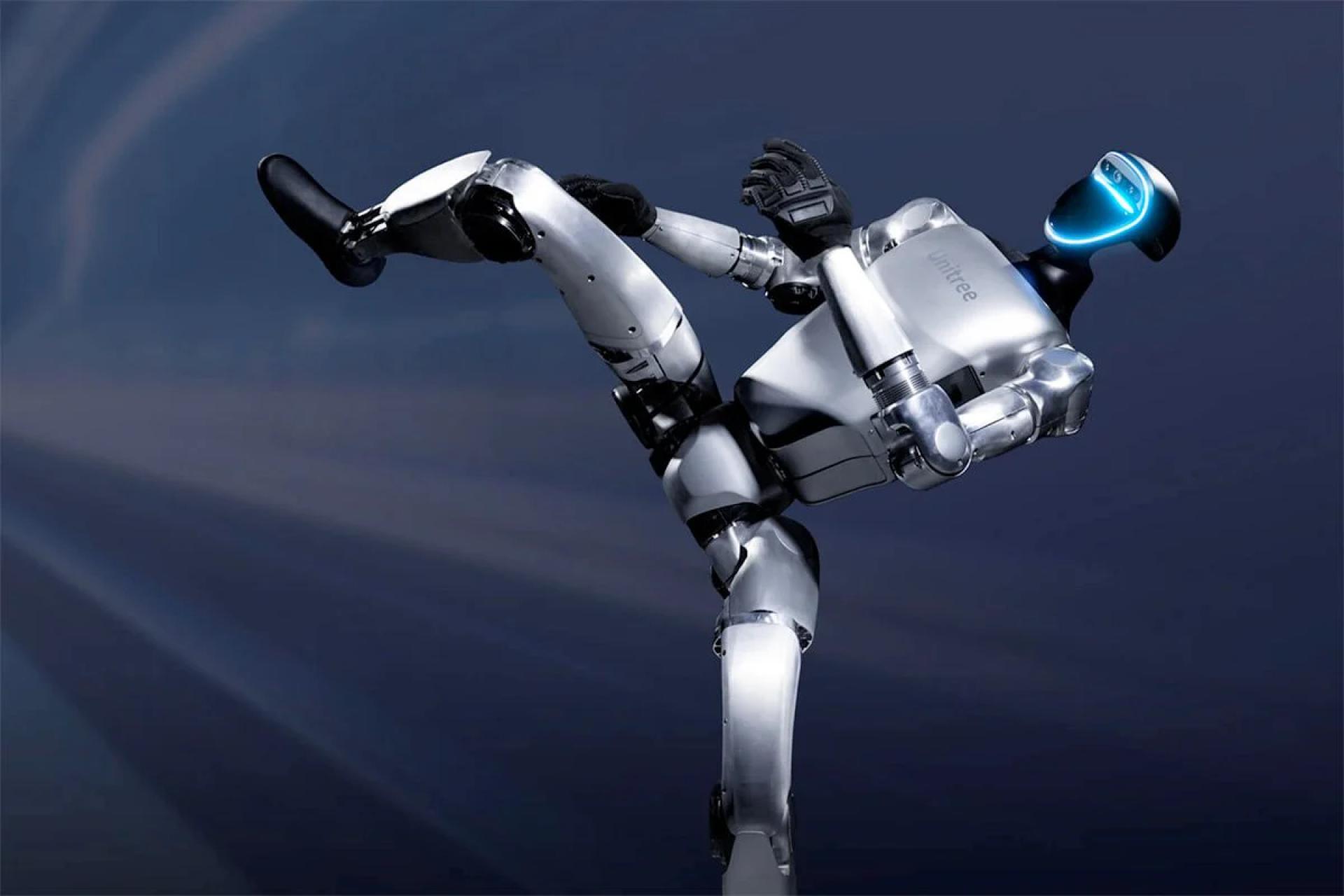
In an age where threats can appear in seconds and situations evolve in unpredictable ways, having tools that offer speed, resilience, and intelligence becomes essential. The MagicBot Z1, a humanoid robot equipped with powerful joints, advanced sensors, and autonomous motion, emerges as a promising addition to modern defense systems— not to replace humans, but to enhance safety and efficiency in high-risk situations.
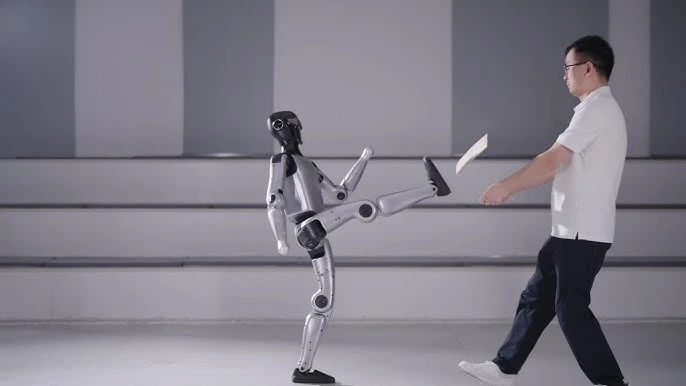
One of the greatest strengths of MagicBot Z1 lies in its physical capabilities. With high-torque joint modules (able to exceed 130 Newton-meters), many degrees of freedom, and durable materials, it is built to endure harsh conditions—falls, impacts, and terrain variations. In defense situations—patrolling rough terrain, entering disaster zones, or checking hazardous structures—this robustness allows Z1 to venture where it would be too dangerous to send soldiers immediately, reducing risk to human life.
Sensory perception is also a game-changer. Z1 is equipped with 3D LiDAR, depth and binocular cameras, and a sophisticated navigation system. In a defense context, this means enhanced situational awareness: being able to detect obstacles, identify threats, or navigate complex environments even with low visibility. In border security, base perimeter monitoring, search-and-rescue during or after conflict, or reconnaissance inside a damaged building, these perceptual tools are invaluable.
Autonomy and speed of deployment further expand its utility. Because the robot can adapt motion control to different surfaces (grass, gravel, stairs), recover from disturbances (falls, knocks), and operate semi-autonomously with a motion library that can be updated or trained relatively quickly, it offers flexibility that stationary systems don’t. It could respond rapidly to emergencies, allow remote operation in dangerous zones, or act as forward reconnaissance unit before sending in humans.
On the ethical and strategic side, having a humanoid robot like MagicBot Z1 can relieve human personnel from some of the most dangerous tasks: entering structurally unsound buildings, inspecting chemical hazards, night-time perimeter patrols, or even neutralizing threats with remote or minimal exposure. This doesn’t remove the need for human decision-makers, but it changes how risks are managed and allows better use of trained personnel in safer roles.
In summary, the MagicBot Z1 stands as more than just a high-tech device — in defense settings it can be a force multiplier: increasing safety, expanding possibilities for reconnaissance, and allowing faster, more informed responses to threats. As robotics continues to mature, tools like this bridge the gap between human courage and mechanical capability.























Sign in to leave a comment.