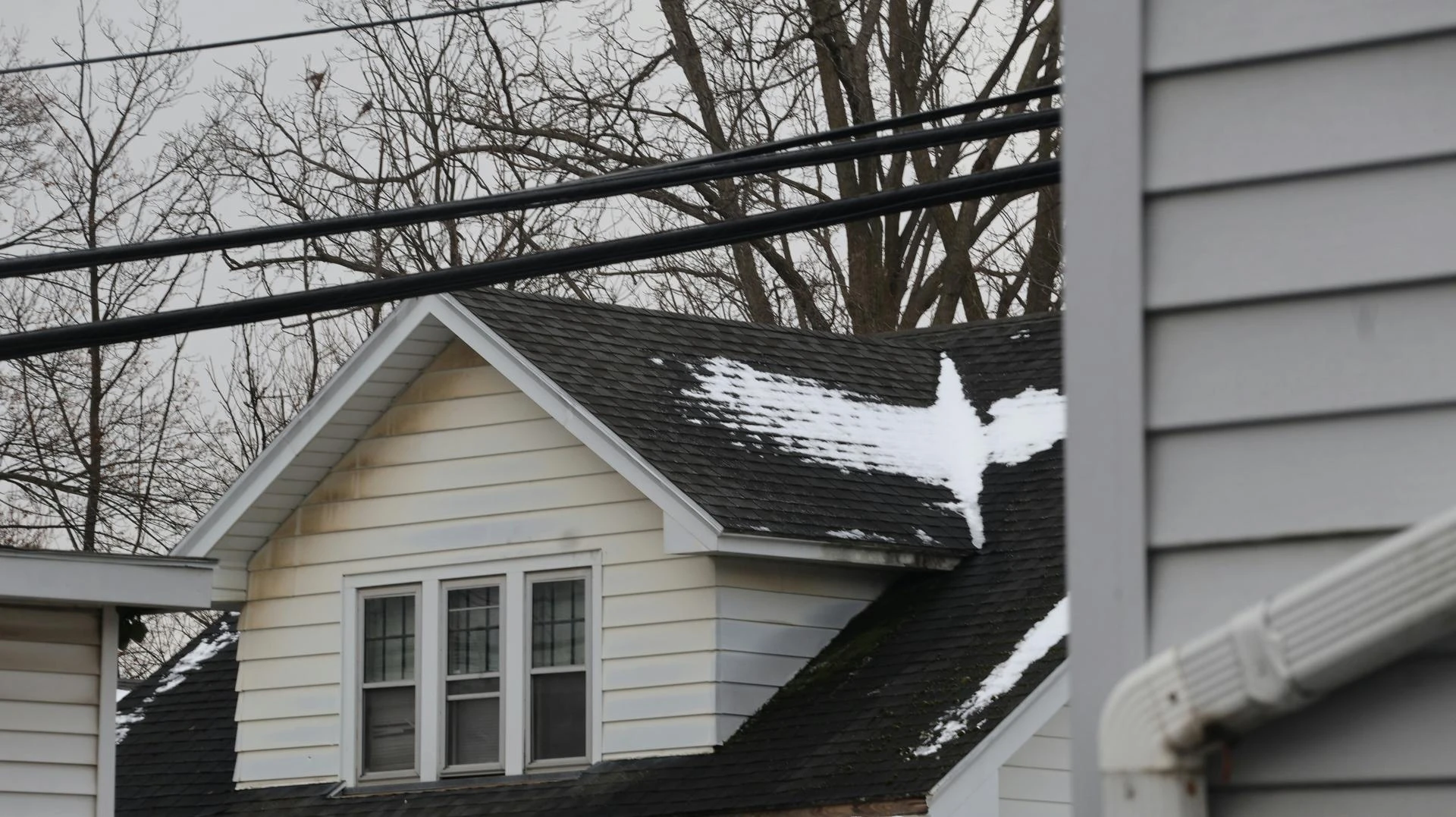

Maine winters are no joke. From Aroostook County to the coast, homeowners face some of the most brutal cold in the continental United States — and heating bills to match. If you've ever opened your energy bill in January and winced, you're not alone. The good news? A professional home energy audit can change that picture dramatically. It's the single smartest step you can take before investing in upgrades like insulation, heat pumps, or new windows — and in Maine, it's more accessible and affordable than most homeowners realize.
In this guide, we'll walk you through exactly what a home energy audit in Maine involves, what it costs, how long it takes, and the generous rebates and incentives available through state and federal programs that can offset much of the cost.
What Is a Home Energy Audit?
A home energy audit (also called a home energy assessment) is a thorough, professional evaluation of how your home uses — and loses — energy. Think of it as a complete health checkup for your house, performed by a certified energy auditor who uses specialized diagnostic equipment to identify exactly where energy is being wasted.
Unlike a quick walkthrough by a contractor trying to sell you something, a proper audit is a data-driven process. The auditor is looking for the root causes of your comfort problems and high bills, not just surface symptoms.
The Two Types of Audits
- Basic Walk-Through Audit: A less formal assessment that may involve visual inspection and reviewing utility bills. Useful for a quick overview but lacks the diagnostic depth of a full audit.
- Comprehensive (Diagnostic) Audit: This is what most certified energy professionals provide and what qualifies you for rebate programs. It uses blower door tests, thermal imaging, and combustion safety testing to build a complete picture of your home's performance.
What to Expect During a Maine Home Energy Audit
A full home energy audit typically takes 2 to 4 hours, depending on the size and complexity of your home. Here's what the process looks like from start to finish:
1. Pre-Audit Preparation
Before the auditor arrives, you may be asked to gather recent utility bills (typically 12 months of electricity and heating fuel records). This gives the auditor a baseline to compare your home's actual energy use against what the diagnostic tests reveal.
2. Visual Inspection
The auditor will walk through every area of your home — attic, basement, crawl spaces, and living areas — looking for visible signs of air leakage, inadequate insulation, moisture issues, and mechanical system concerns. They'll examine your heating system, water heater, ductwork, windows, and doors.
3. Blower Door Test
This is the centerpiece of a diagnostic audit. A large fan is temporarily mounted in an exterior door frame and depressurizes the home. This makes air leaks easy to detect — the auditor uses smoke pencils or an infrared camera to find exactly where outside air is entering and conditioned air is escaping. In older Maine homes, blower door tests frequently reveal that air infiltration is the single biggest source of energy loss — far more significant than windows or insulation alone.
4. Thermal (Infrared) Imaging
Using an infrared camera, the auditor can literally see temperature differences in walls, ceilings, and floors that indicate missing or inadequate insulation. Cold spots that aren't visible to the naked eye show up vividly in thermal images, helping prioritize where insulation upgrades will have the greatest impact.
5. Combustion Safety Testing
If your home has gas appliances, an oil furnace, or a wood-burning system, the auditor will test for carbon monoxide spillage and backdrafting — situations where combustion gases re-enter the living space rather than venting safely outside. This is a critical safety check, especially in tightly constructed or weatherized homes.
6. The Audit Report
After the on-site work is complete, you'll receive a detailed written report that includes:
- A summary of your home's current energy performance rating
- Specific findings from each diagnostic test
- Prioritized recommendations for improvements
- Estimated energy savings and payback periods for each upgrade
- Information on applicable rebates and incentives
This report becomes your roadmap for home performance improvements — and it's the documentation you'll need to access rebate programs.
How Much Does a Home Energy Audit Cost in Maine?
The cost of a home energy audit in Maine varies based on the size of your home and the depth of the assessment, but here are typical ranges:
- Basic audit: $150–$300
- Comprehensive diagnostic audit: $300–$600 for most single-family homes
- Larger homes or complex systems: $600–$900+
For most Maine homeowners, the out-of-pocket cost after rebates is dramatically lower — and in some cases, the audit is essentially free. Efficiency Maine — the state's energy efficiency administrator — offers rebates on home energy audits performed by certified Home Energy Professionals. Contact Efficiency Maine or a certified auditor directly to confirm current rebate levels, as these programs are updated periodically.
Maine Energy Audit Rebates and Incentive Programs
Efficiency Maine Rebates
Efficiency Maine offers rebates on a wide range of energy efficiency upgrades typically recommended following an energy audit, including air sealing and insulation, heat pumps, smart thermostats, and heat pump water heaters. Maine has become one of the leading states for heat pump adoption, supported by generous rebates on both air-source and cold-climate models.
Federal Inflation Reduction Act (IRA) Tax Credits
The Inflation Reduction Act provides significant federal incentives for Maine homeowners:
- Energy Efficient Home Improvement Credit (25C): A 30% tax credit (up to $1,200 per year) on qualifying improvements including insulation, air sealing, windows, and heating systems. Heat pumps qualify for a separate $2,000 annual credit.
- High-Efficiency Electric Home Rebate Act (HEEHRA): Point-of-sale rebates for lower- and moderate-income households on heat pumps, water heaters, and electrical upgrades — up to $14,000 in total rebates.
IRA tax credits and Efficiency Maine rebates can often be stacked, meaning you can claim both on the same project.
Income-Based Programs
- MaineHousing's Home Energy Savings Program: Provides free or deeply subsidized weatherization services to income-qualifying households.
- Low Income Home Energy Assistance Program (LIHEAP): While primarily for heating bill assistance, LIHEAP enrollment can also open doors to weatherization services.
What Upgrades Are Most Commonly Recommended in Maine Homes?
Air Sealing
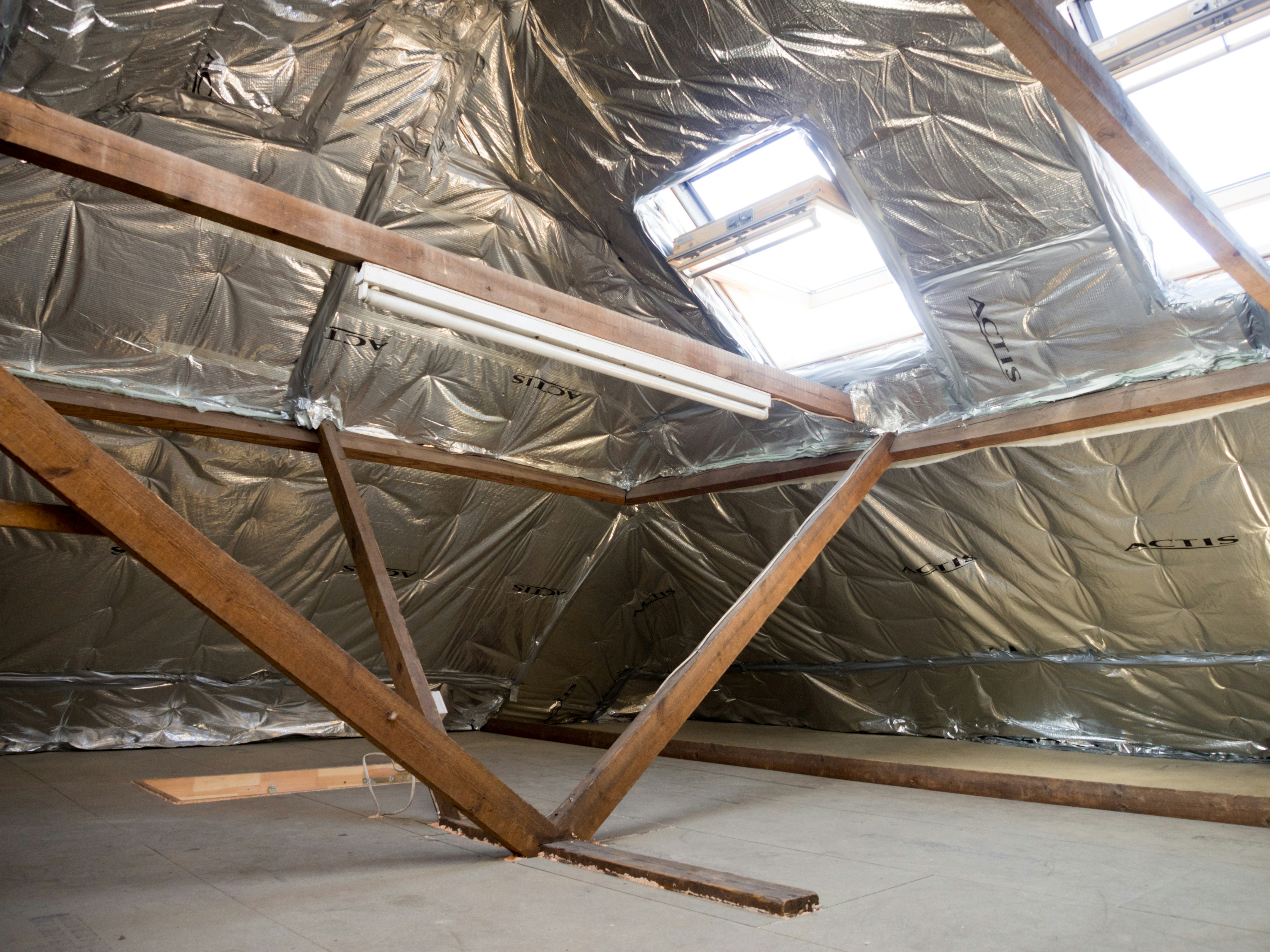
Almost universally the highest-priority recommendation. Maine homes — especially older ones — commonly have significant air leakage through rim joists, attic bypasses, electrical penetrations, and around plumbing. Air sealing before adding insulation ensures that insulation performs as intended and prevents moisture problems.
Attic Insulation
Heat rises, and an under-insulated attic is like leaving a window open all winter. Maine's climate demands attic insulation levels of R-49 to R-60 — many older homes have R-11 or less. Adding blown-in cellulose or fiberglass insulation is one of the fastest-payback investments available.
Basement and Crawl Space Insulation
Cold floors are a telltale sign of an under-insulated basement or crawl space. Insulating the rim joist and basement walls significantly reduces heat loss and improves comfort in ground-floor rooms.
Heating System Upgrades
Maine has more oil-heated homes than almost any other state. Auditors frequently identify aging, inefficient oil boilers and furnaces as major contributors to high heating costs. Modern cold-climate heat pumps can operate efficiently even in Maine's sub-zero temperatures and, when paired with weatherization upgrades, can dramatically reduce heating bills.
Windows and Doors
Windows are often blamed for high energy bills, but they're rarely the top priority. Most auditors recommend addressing air sealing and insulation first, then upgrading windows if the budget allows — especially given the available IRA tax credits.
How to Find a Certified Energy Auditor in Maine
To qualify for Efficiency Maine rebates and ensure a thorough assessment, look for auditors with one or more of these credentials:
- BPI (Building Performance Institute) Certified Building Analyst
- RESNET HERS Rater Certification
- Efficiency Maine Registered Home Energy Professional
Efficiency Maine maintains an online directory of registered contractors and Home Energy Professionals on their website. Companies like Evergreen Your Home specialize in comprehensive home energy audits in Maine and bring the diagnostic rigor needed to qualify for rebate programs while providing homeowners with a clear, actionable improvement roadmap.
The Return on Investment: Is a Maine Energy Audit Worth It?
Maine homeowners who complete a comprehensive energy audit and implement the top recommended improvements typically see:
- 20–40% reduction in heating and cooling costs
- Improved indoor air quality and comfort
- Reduced risk of ice dams and moisture damage
- Increased home value
When you factor in Efficiency Maine rebates and federal tax credits, the payback period for most weatherization projects falls between 3 and 7 years — with the energy savings continuing for the life of the home. The audit itself typically costs very little after rebates, and the report it produces could save you from spending thousands on the wrong upgrades.
Frequently Asked Questions
Do I need to do anything to prepare my home for an energy audit?
Yes — make sure the auditor has access to all areas, including the attic, basement, crawl spaces, and mechanical rooms. Have recent utility bills on hand, and make sure all exterior doors and windows can be closed tightly for the blower door test.
Will I be pressured to buy additional services after the audit?
A reputable, certified auditor's job is to give you an objective assessment — not to sell you specific products or services. Ask upfront whether the audit is conducted independently of any contracting work.
How often should I get a home energy audit?
For most homeowners, a single comprehensive audit is sufficient to generate a multi-year improvement roadmap. It's worth revisiting an audit after major changes — adding a significant addition, replacing your heating system, or after substantial weatherization work.
Can I do an energy audit myself?
DIY checklists are a fine starting point, but a professional audit with blower door testing and thermal imaging will identify issues completely invisible to the naked eye. Only a certified professional audit qualifies you for Efficiency Maine rebates and IRA tax credits.
Final Thoughts
Maine's winters are long, cold, and expensive — but they don't have to be. A professional home energy audit is the foundation of a smarter, more efficient home. It removes the guesswork from energy upgrades, ensures you're spending money where it will have the biggest impact, and connects you to rebate programs that make the work significantly more affordable.
If you're ready to take the first step, consider working with a certified Maine energy auditor who can provide a full diagnostic assessment and guide you through the rebate process from start to finish. Your energy bills — and your comfort — will thank you.
























Sign in to leave a comment.