
Every few years, the internet erupts over one question: what did a sitting (or former) president score on the SAT? The curiosity reached a fever pitch during Michael Cohen’s 2019 Congressional testimony, when he revealed he had sent threatening letters to Donald Trump’s schools and the College Board at Trump’s direction, demanding they never release his grades or SAT scores. That revelation — more than any actual score — became the real headline.
But what’s actually worth knowing here? The answer isn’t a three-digit number. It’s something far more useful: a clear-eyed look at what the SAT actually measures, what it doesn’t, and what presidential examples — verified, rumored, and completely unknown — can genuinely teach students preparing for their own test.
The Truth About Trump’s SAT Score: There Isn’t One (Publicly)
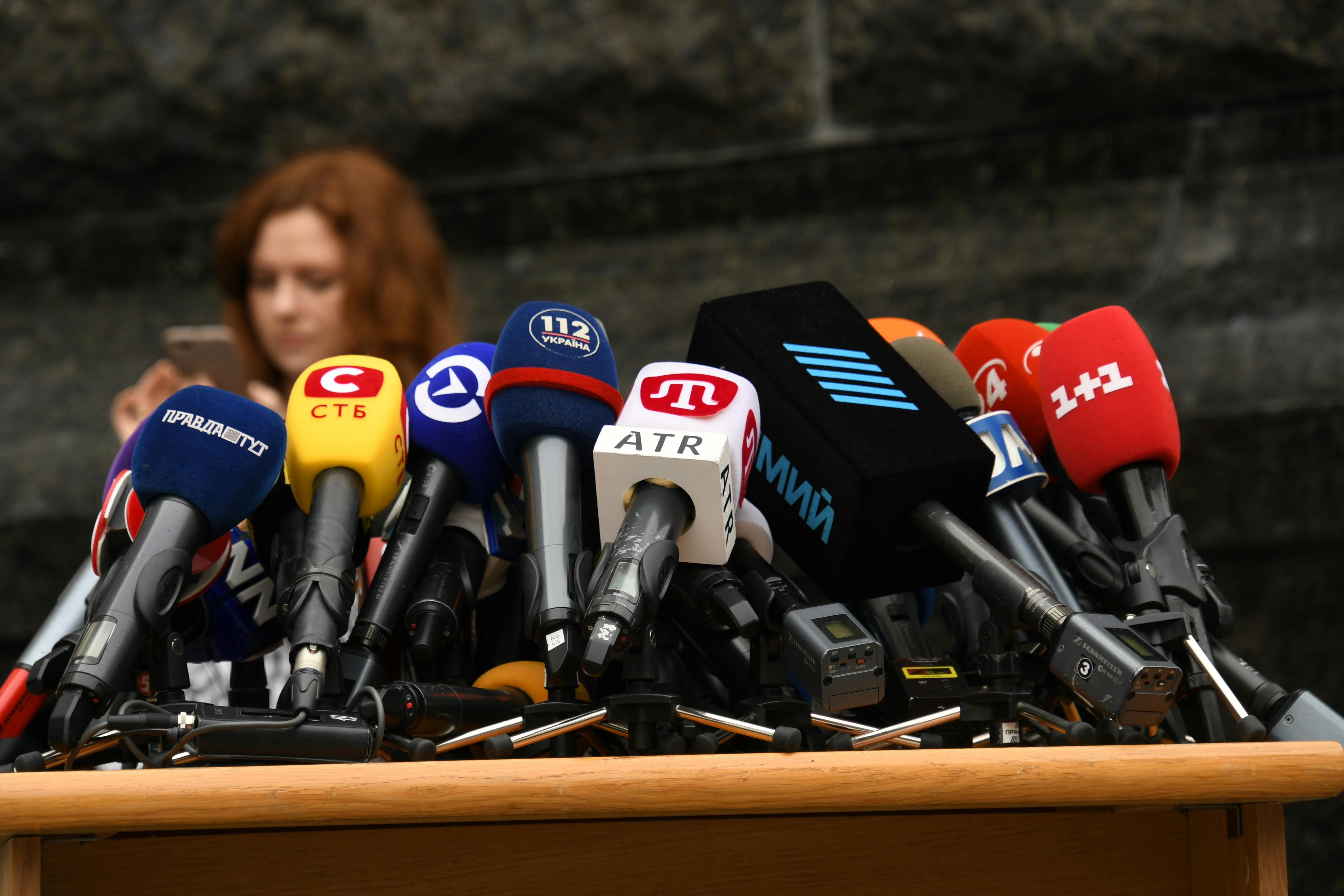
Let’s get the facts straight. There is no verified, public SAT or ACT score for Donald Trump. None. Multiple news organizations — from the New York Times to Newsweek — have confirmed that Trump’s academic records remain sealed, protected under FERPA (the Family Educational Rights and Privacy Act of 1974), the same federal law that protects every student’s records.
What we do know, from Cohen’s Congressional testimony, is that Trump felt strongly enough about keeping those records private that he had legal threats sent to multiple institutions. The College Board confirmed it received such a warning. Fordham University acknowledged the same. Trump’s niece, Mary L. Trump, has alleged in her memoir that someone else took his entrance exams for him — a claim that has never been independently corroborated.
Figures circulating online — including claims of scores around 970 or 1200 out of 1600 — are unverified. Anyone presenting a specific Trump SAT score as fact is speculating. Treat those numbers accordingly.
As a tutoring company that helps real students prepare for a real test, we think it’s important to be honest about that distinction.
What We Know About Other Presidents’ Scores
Across all modern presidents who would have taken the SAT — Clinton, George W. Bush, Obama, and Trump — the picture is largely one of privacy, rumor, and one verified exception.
- George W. Bush: The only president with a publicly verified SAT score. His score of 1206 (out of 1600) was released when he was governor of Texas. At the time, that placed him solidly above average — not an elite score, but not a poor one either.
- Barack Obama: No verified SAT score. A rumored ACT score of 30 (out of 36) circulates online, but it has never been officially confirmed. Obama graduated from Columbia University and Harvard Law School, where he served as president of the Harvard Law Review.
- Bill Clinton: A rumored SAT score of around 1032 has been cited in various publications, but like Obama’s ACT score, it remains unverified. Clinton was a Rhodes Scholar, suggesting strong academic ability regardless of his test score.
- Donald Trump: No known score. Records sealed. (See above.)
The pattern here is instructive: for the most powerful office in the world, standardized test scores are almost entirely beside the point.
So What Does the SAT Actually Measure?
Here’s where things get genuinely useful for students. The SAT measures specific academic skills — primarily math reasoning and reading comprehension — within a timed, standardized format. It is not an IQ test, and it is not a measure of intelligence, creativity, leadership ability, or long-term success.
According to large-scale research from the College Board (covering over 220,000 first-year students across 171 four-year institutions), SAT scores do add meaningful predictive power beyond high school GPA alone when it comes to first-year college performance — about 15% on average, and significantly more for STEM majors. A study published in Psychological Science found that SAT scores predicted first-year college GPA at roughly the same level as high school grades did, and that using both together was the strongest predictor of all.
However, research is equally clear on what the SAT does not capture well:
- Perseverance and work ethic
- Leadership and interpersonal skills
- Creativity and entrepreneurial thinking
- Emotional intelligence
- The judgment and instincts that come with decades of real-world experience
Multiple studies also show that high school GPA is actually a stronger predictor of college success than the SAT — because GPA reflects sustained effort, consistent performance, and the habits that drive real academic achievement over time.
The Privilege Problem: Why Scores Aren’t Created Equal
The conversation around Trump’s SAT score points to something far more important than any particular number: the role of privilege in standardized testing.
Trump attended the New York Military Academy and later Fordham University before transferring to the Wharton School at the University of Pennsylvania. He grew up with enormous financial resources, access to private schools, and (as biographers have documented) family connections that smoothed his path into elite institutions. Whether his SAT score was exceptional or mediocre or something in between, it existed within a context of substantial advantage.
Research consistently shows that socioeconomic status, parental education levels, and access to test preparation resources all correlate with SAT performance. A student with a 1100 who studied independently with limited resources may be demonstrating more raw academic ability than a student with a 1350 who had months of private tutoring. The SAT score is a data point — not a verdict.
This is not an excuse to stop trying to improve your score. It’s an argument for understanding what you’re actually improving: your familiarity with the test format, your ability to manage time under pressure, and your comfort with the specific question types the SAT uses. Those are real, learnable skills.
What This Means for Students Today
Whether you’re a high scorer or working to improve, the presidential SAT story offers a few honest lessons:
1. Your score is a tool, not a label.
George W. Bush’s verified 1206 didn’t define his presidency. Neither did its absence define anyone else’s career. A strong SAT score opens doors — particularly at selective colleges that have reinstated testing requirements — but it is not a ceiling, and it is not your identity.
2. Improvement is genuinely possible.
Unlike fixed personality traits, SAT performance responds to preparation. Research and practical experience both show that students who understand the test structure, practice with real materials, and address their specific weak areas consistently improve their scores. The average score improvement through serious preparation typically ranges from 100 to 200+ points, depending on starting point and effort level.
3. Context matters in admissions.
Admissions officers at selective schools evaluate SAT scores in context. A strong score from a student at a well-resourced school with access to tutoring is weighted differently than the same score from a student who worked full-time through high school. Many schools also look at the score alongside extracurriculars, essays, and recommendations — a holistic picture that a single number cannot capture.
4. Secrecy around scores says something — but maybe not what you think.
The furor over Trump going to lengths to keep his SAT score hidden says less about what the score was, and more about the cultural weight we’ve attached to this single number. A test score taken in high school says almost nothing about who you are at 30, 50, or 70. The anxiety around it — from teenagers and former presidents alike — is mostly a reflection of how much importance we’ve collectively decided to give it.
The Bottom Line
Trump’s unreleased SAT score isn’t a mystery worth obsessing over. What’s more interesting — and far more useful — is the broader conversation it opens up: about what standardized tests actually measure, why scores reflect more than just raw ability, and how students today can approach the SAT with clear eyes.
The SAT is a real test with real stakes for many students. It’s worth preparing for thoughtfully. But it is not the whole picture of who you are, where you’ll go, or what you’ll become. History — presidential and otherwise — makes that pretty clear.
About SoFlo Tutors
SoFlo Tutors specializes in SAT and ACT preparation, connecting students with expert tutors who have scored in the 99th percentile. Whether you’re aiming for a top score or working to meet a specific college’s requirements, our tutors provide personalized, results-driven coaching. Learn more at soflotutors.com.


























Sign in to leave a comment.