
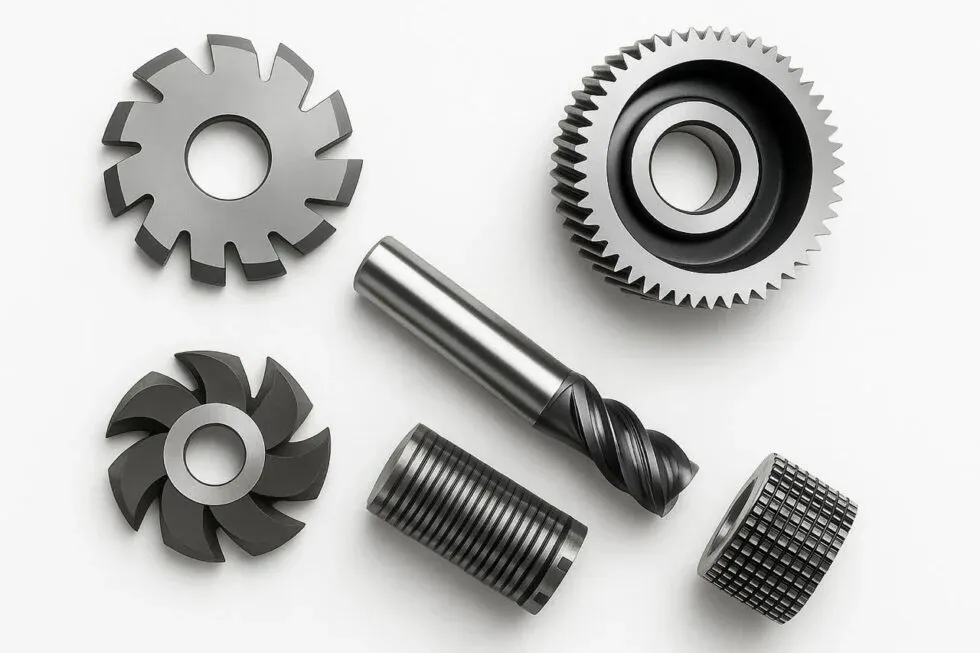
Milling cutters are essential tools used in industrial machining, metalworking, and manufacturing processes. These cutting tools help shape, cut, and finish metal components with precision and efficiency. Since milling operations often involve heavy-duty machining, proper maintenance of milling cutters is important for ensuring long tool life, better cutting performance, and reduced production costs.
Without regular maintenance, milling cutters can wear out quickly, leading to poor surface finish, inaccurate machining, and machine downtime. Proper care not only extends the lifespan of the tool but also improves machining quality and workplace productivity.
In this article, we will explore important maintenance tips that help keep Milling cutters in excellent working condition for long-term industrial use.
Importance of Maintaining Milling Cutters
Proper maintenance of Milling cutters offers several benefits for industrial operations, including:
- Improved cutting accuracy
- Longer tool lifespan
- Better surface finishing
- Reduced machine downtime
- Lower replacement costs
- Increased machining efficiency
Regular inspection and maintenance can also help prevent sudden tool failure during machining operations.
Clean Milling Cutters After Every Use
One of the most important maintenance practices is cleaning the milling cutters after each operation. During machining, metal chips, coolant residue, and dust can accumulate on the cutting edges.
Why Cleaning Is Important
Dirty cutting tools may experience:
- Reduced cutting efficiency
- Increased heat generation
- Faster wear and tear
- Poor machining results
Cleaning Tips
- Use a soft brush to remove chips and debris
- Avoid using hard materials that may damage cutting edges
- Clean coolant residue carefully
- Use proper industrial cleaning solutions when required
Keeping Milling cutters clean helps maintain their cutting performance and precision.
Inspect Cutting Edges Regularly
Frequent inspection of milling cutters is necessary to identify signs of wear or damage before serious problems occur.
Common Signs of Tool Wear
- Dull cutting edges
- Chipping or cracks
- Uneven wear patterns
- Discoloration caused by overheating
Damaged tools can negatively affect machining accuracy and surface quality.
Inspection Tips
- Use magnification tools for detailed inspection
- Check cutters before and after machining operations
- Replace heavily worn tools immediately
Regular inspections help maintain consistent machining quality and prevent costly production interruptions.
Store Milling Cutters Properly
Improper storage can damage Milling cutters even when they are not in use. Moisture, dust, and accidental impacts can reduce tool life.
Best Storage Practices
- Store cutters in dry environments
- Use protective tool holders or cases
- Keep cutting edges separated to avoid contact damage
- Avoid stacking tools together
Proper storage protects milling cutters from corrosion and accidental damage.
Use Correct Cutting Speeds and Feeds
Using incorrect machining parameters is one of the main reasons milling cutters wear out quickly.
Effects of Incorrect Speeds and Feeds
- Excessive heat generation
- Faster tool wear
- Tool breakage
- Poor surface finish
Tips for Better Tool Performance
- Follow manufacturer recommendations
- Adjust speeds based on material type
- Use proper feed rates during machining
- Avoid overloading the cutter
Correct operating conditions significantly improve the lifespan of Milling cutters.
Apply Proper Coolant and Lubrication
Coolants and lubricants help reduce heat and friction during machining operations.
Benefits of Coolant Use
- Prevents overheating
- Improves cutting performance
- Reduces tool wear
- Enhances surface finishing
Coolant Maintenance Tips
- Use recommended coolant types
- Maintain proper coolant flow
- Clean coolant systems regularly
- Replace contaminated coolant when necessary
Proper lubrication supports smooth machining and helps extend the life of milling cutters.
Avoid Tool Overloading
Overloading occurs when excessive cutting force is applied during machining. This can damage both the cutter and the machine.
Problems Caused by Overloading
- Broken cutting edges
- Reduced tool life
- Machine vibration
- Poor cutting accuracy
How to Prevent Overloading
- Use suitable cutter sizes
- Reduce cutting depth if necessary
- Maintain stable machining conditions
- Monitor machine performance regularly
Balanced machining operations protect Milling cutters from unnecessary stress.
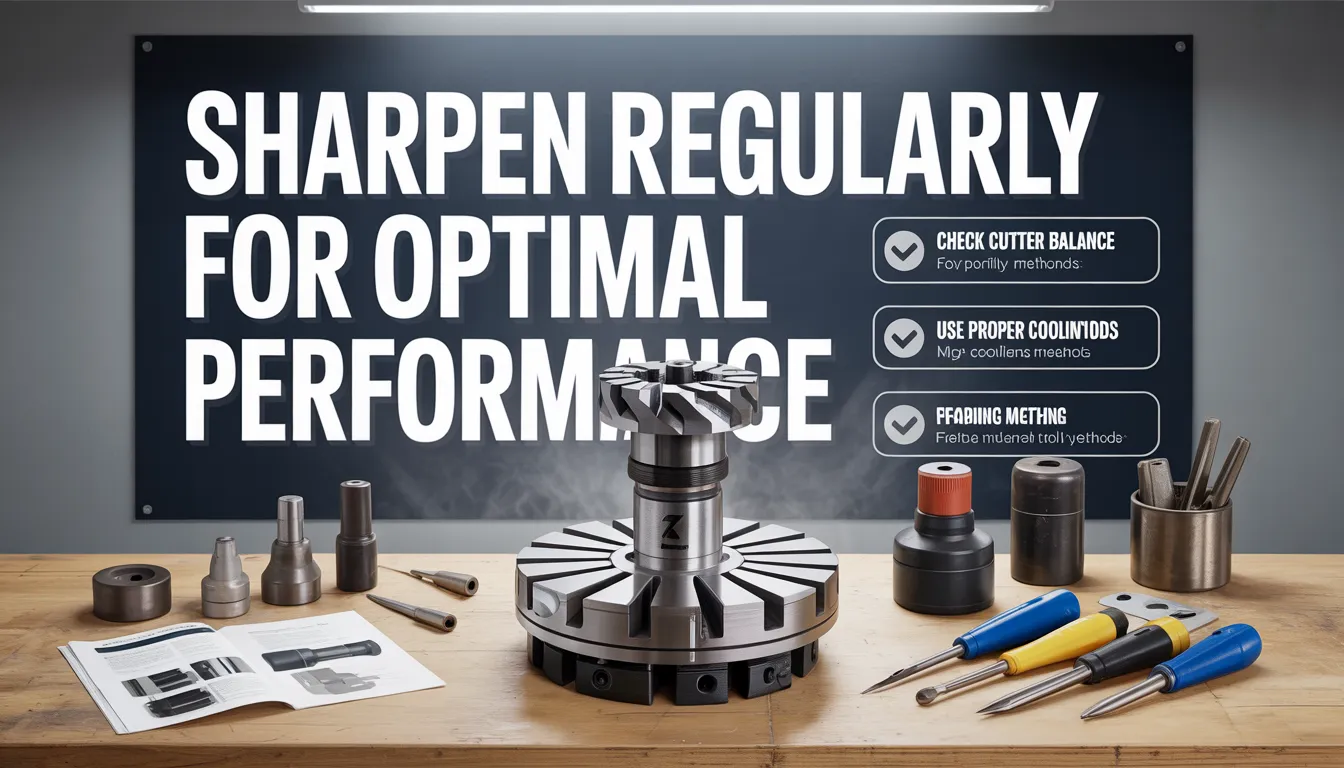
Sharpen Milling Cutters When Needed
Over time, cutting edges naturally become dull due to regular use. Sharpening helps restore cutting performance and extend tool usability.
Benefits of Sharpening
- Improved cutting efficiency
- Better machining accuracy
- Reduced heat generation
- Lower replacement costs
Important Sharpening Tips
- Use professional grinding equipment
- Maintain original cutter geometry
- Avoid excessive grinding
- Follow proper sharpening procedures
Well-maintained sharp tools provide more efficient machining results.
Protect Milling Cutters From Corrosion
Corrosion can damage cutting surfaces and reduce tool effectiveness. Moisture exposure is one of the main causes of rust formation.
Corrosion Prevention Tips
- Apply anti-rust coatings if necessary
- Keep storage areas dry
- Clean tools after coolant exposure
- Use protective packaging for long-term storage
Protecting Milling cutters from corrosion helps maintain their quality and durability.
Monitor Machine Conditions
Machine condition also affects the lifespan of milling cutters. Poor machine alignment or excessive vibration can increase cutter wear.
Machine Maintenance Tips
- Check spindle alignment regularly
- Inspect machine stability
- Reduce unnecessary vibrations
- Maintain proper machine lubrication
Well-maintained machines support better cutter performance and machining accuracy.
Train Machine Operators Properly
Experienced operators play a major role in maintaining milling cutters. Incorrect handling or setup can damage cutting tools quickly.
Operator Training Benefits
- Better tool handling
- Correct machine settings
- Improved safety practices
- Reduced tool damage
Providing proper training helps maximize the lifespan of Milling cutters and improves production efficiency.
Final Thoughts
Proper maintenance is essential for achieving long-lasting performance from Milling cutters. Regular cleaning, careful storage, correct machining practices, and routine inspections all help extend tool life and improve industrial productivity.
By following these maintenance tips, manufacturers can reduce operational costs, improve machining quality, and ensure reliable cutting performance in demanding industrial environments.
Well-maintained milling cutters not only support precision machining but also contribute to smoother and more efficient manufacturing operations.
Frequently Asked Questions
Why is it important to maintain milling cutters?
Maintaining milling cutters is crucial for ensuring their longevity, improving cutting accuracy, and enhancing surface finishing. Regular maintenance reduces machine downtime and replacement costs, ultimately leading to increased machining efficiency and overall productivity.
How often should I clean my milling cutters?
It is recommended to clean milling cutters after every use to remove metal chips, coolant residue, and dust. Regular cleaning helps maintain cutting performance and prevents reduced efficiency and faster wear.
What are the signs that my milling cutter needs sharpening?
Common signs that a milling cutter needs sharpening include dull cutting edges, chipping, uneven wear patterns, and discoloration from overheating. Sharpening helps restore cutting performance and prolongs tool usability.
What should I do if my milling cutter is showing signs of wear?
If you notice wear signs such as dull edges or cracks, it's essential to inspect the tool closely and replace or sharpen it as necessary. Regular inspections help prevent serious issues that could disrupt machining operations.
How can I prevent milling cutter corrosion?
To prevent corrosion, store milling cutters in dry environments, apply anti-rust coatings if needed, and clean them after exposure to coolant. Proper storage and handling protect against moisture-induced rust, preserving tool quality.
What are the proper cutting speeds and feeds for milling cutters?
Using the correct cutting speeds and feeds is vital to avoid excessive heat generation and tool wear. Always follow manufacturer recommendations and adjust based on the material type to ensure optimal tool performance and longevity.
How does machine condition affect milling cutter performance?
Machine condition plays a significant role in the lifespan of milling cutters. Poor alignment or excessive vibration can increase wear on the cutters, so regular machine maintenance is crucial for supporting better cutting performance.
























Sign in to leave a comment.