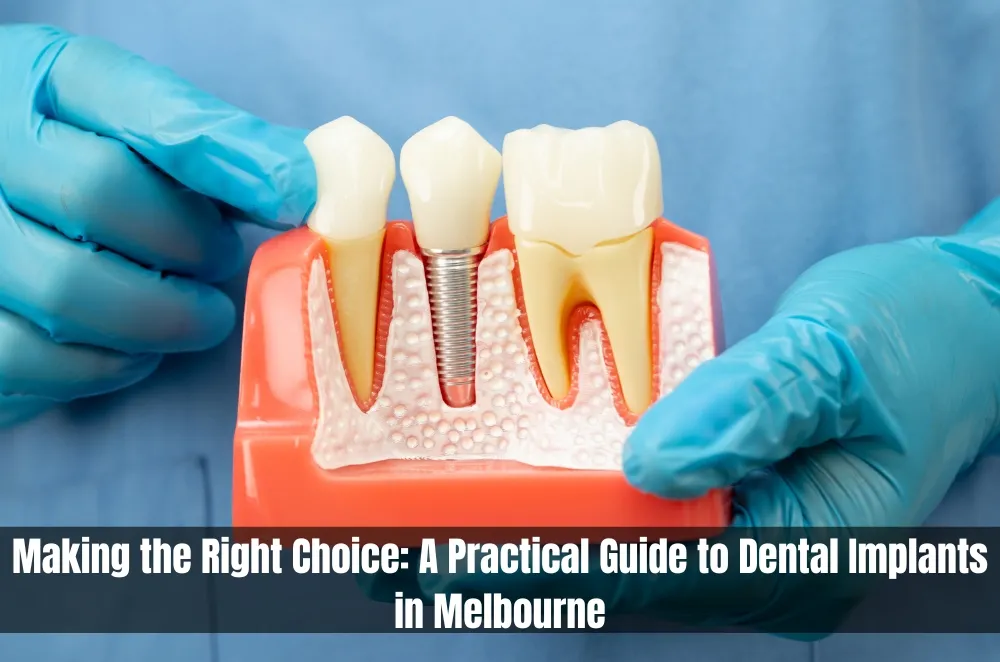

Dental implants have changed the way many Australians restore missing teeth, offering a stable, natural-looking solution that can last decades. Yet success depends on more than titanium and porcelain—it hinges on the skill of the dental team, the technology they use, and the care you take before and after surgery. If you’re weighing up your options in Melbourne, this guide will help you separate marketing hype from genuine quality and make an informed decision about your oral health investment.
Why Choosing the Right Implant Provider Matters
An implant is not a one-size-fits-all procedure. Bone density, gum health, bite alignment and even lifestyle habits influence the approach your dentist will take. Selecting an experienced, trusted implant clinic in Melbourne can therefore be the difference between a smooth recovery and years of remedial work.
Experienced implant dentists will:
• Conduct thorough assessments, including 3D imaging, to map bone levels and nerves.
• Offer different implant systems or grafting options to suit individual cases.
• Provide transparent explanations of risks, costs and maintenance.
A less experienced provider may quote a lower upfront fee but overlook complex anatomical considerations, leading to implant failure, infection or aesthetic compromise.
Key Factors That Influence Implant Success
Practitioner Qualifications and Experience
Look for dentists with postgraduate implant training or membership in recognised bodies such as the Australian Dental Association (ADA). Ask how many implant cases they complete each year and request before-and-after photos of similar treatments.
Digital Planning and Technology
Modern implant dentistry often involves cone-beam CT scans, guided surgery software and intraoral scanners. These tools reduce surgical guesswork, which in turn minimises trauma and improves accuracy. During your consultation, ask which technologies the clinic uses and why.
Materials and Implant Systems
While most implants are titanium, not all brands have the same track record. Premium systems offer superior surface treatments that encourage bone integration. Your dentist should be able to explain the rationale behind their chosen system and provide documented success rates.
Comprehensive Treatment Plans
A reliable clinic will outline every stage—from extraction (if needed) and grafting to crown placement and maintenance—along with itemised costs. Beware of quotes that only cover the surgical phase, leaving restorative components as a surprise later.
After-Care and Maintenance
Regular reviews and hygiene visits are essential for preventing peri-implantitis (inflammation around the implant). Confirm whether follow-up appointments and X-rays are included in the package price and how often you’ll be recalled.
Practical Questions to Ask Before Signing On
- Am I a good candidate, or do I need bone grafting or sinus lifting first?
- Which implant brand will you use, and what is its long-term success rate?
- How many implants have you placed in the past year?
- What type of sedation or anaesthesia is offered?
- How will you ensure the final crown matches my existing teeth in colour and shape?
- What happens if complications arise, and are there additional costs?
- Can I speak with previous patients or read independent reviews?
Taking these questions to multiple clinics can help you gauge transparency and competency levels.
Managing Costs Without Cutting Corners
Dental implants are a significant investment, typically ranging from $4,000 to $7,000 per tooth in Australia, depending on complexity. If a price seems too good to be true, dig deeper into what is (and isn’t) included. Genuine ways to manage costs include:
• Health fund rebates on the restorative crown portion.
• Early release of superannuation for essential dental work.
• Payment plans spread over treatment phases.
Avoid travelling overseas purely for price; follow-up care is harder when your surgeon is thousands of kilometres away.
Caring for Your Implants Long Term
A successful implant can last twenty years or more, but only with consistent maintenance.
• Brush twice daily with a soft-bristled brush and low-abrasive toothpaste.
• Use interdental brushes or water flossers to clean around the implant.
• Attend professional cleans every six months, or more frequently if advised.
• Quit smoking, which significantly raises the risk of implant failure.
• Wear a night guard if you grind your teeth.
Your dentist will also schedule periodic X-rays to monitor bone levels.
When Professional Review Is Essential
Contact your dentist promptly if you notice:
• Persistent discomfort beyond the initial healing period.
• Swelling or pus around the implant site.
• Looseness in the crown or post.
• Difficulty chewing on the implant side.
Early intervention can often prevent minor inflammation from developing into serious bone loss.
Final Thoughts
Dental implants can restore confidence and function, but only when planned and executed with precision. By understanding the variables that influence success—from practitioner expertise to maintenance—you’ll be better placed to choose a clinic that aligns with your health goals and budget. Invest time in research now, and your future smile will thank you.
FAQs
How long does the dental implant process take?
For a straightforward case, expect three to six months from implant placement to final crown. Complex procedures requiring bone grafts may extend the timeline to nine months or longer.
Are dental implants painful?
Most patients report only mild discomfort for a few days, easily managed with over-the-counter pain relief. Advanced techniques and local anaesthesia keep the procedure itself virtually painless.
Can implants fail?
Yes, although failure is uncommon when placed by experienced clinicians. Contributing factors include smoking, poor oral hygiene and uncontrolled diabetes.
Is there an age limit for dental implants?
There is no upper age limit as long as you have sufficient bone and overall good health. Implants are generally avoided in adolescents until jaw growth is complete.




























Sign in to leave a comment.