
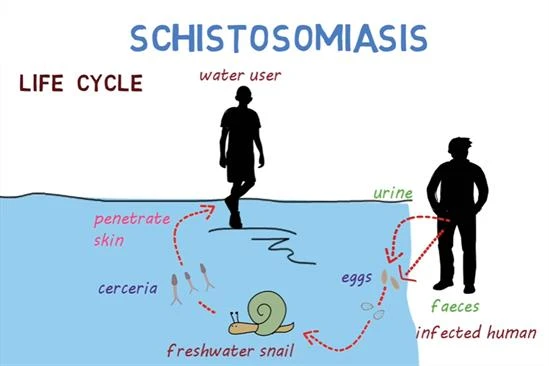
Worm infections, or helminthiasis, are a common global health issue, particularly in regions with poor sanitation and limited access to healthcare. These infections are caused by parasitic worms, including roundworms (nematodes), tapeworms (cestodes), and flukes (trematodes). They can lead to a wide range of symptoms, from mild discomfort to severe complications, depending on the type of worm and the extent of the infestation.
Effective treatment of worm infections is essential to alleviate symptoms, prevent complications, and reduce the spread of infection. Several treatment options are available, ranging from prescription medications to natural remedies and lifestyle modifications. Among these options, nitazoxanide 500 mg has emerged as a key player in the management of certain worm infections due to its broad-spectrum activity and favorable safety profile.
Nitazoxanide is an antiparasitic agent that works by interfering with the energy metabolism of parasitic organisms, ultimately leading to their death. It is available in tablet form, typically administered orally, making it convenient for patients to take. The recommended dosage of nitazoxanide for the treatment of specific worm infections varies depending on factors such as the patient\'s age, weight, and the severity of the infection. However, a common dosage regimen for adults is nitazoxanide 500 mg twice daily for three days.
One of the primary indications for nitazoxanide is the treatment of giardiasis, a common intestinal infection caused by the parasite Giardia lamblia. Giardiasis is characterized by symptoms such as diarrhea, abdominal cramps, bloating, and nausea. Nitazoxanide has demonstrated efficacy in eradicating Giardia lamblia from the gastrointestinal tract and relieving symptoms associated with giardiasis. Clinical studies have shown that treatment with nitazoxanide 500 mg twice daily for three days can significantly reduce the duration and severity of symptoms in patients with giardiasis.
In addition to giardiasis, nitazoxanide is also effective against other intestinal parasites, including Cryptosporidium parvum and Cryptosporidium hominis. Cryptosporidiosis is another common cause of diarrhea, particularly in immunocompromised individuals such as those with HIV/AIDS. Nitazoxanide has been shown to reduce the duration and frequency of diarrhea in patients with cryptosporidiosis, leading to improved clinical outcomes.
Apart from its activity against intestinal parasites, nitazoxanide has also demonstrated efficacy against certain helminthic infections. For example, it has been used successfully in the treatment of infections caused by the tapeworm Taenia solium, which can lead to neurocysticercosis, a serious neurological condition. Nitazoxanide has been shown to reduce the number of tapeworm larvae in the body and alleviate symptoms associated with neurocysticercosis.
The efficacy of nitazoxanide in the treatment of worm infections is supported by a growing body of evidence from clinical trials and real-world studies. Its broad-spectrum activity, combined with its relatively low incidence of side effects, makes it a valuable treatment option for patients with parasitic infections.
However, like any medication, nitazoxanide may cause adverse reactions in some individuals, including nausea, headache, and abdominal pain. It is important for healthcare providers to carefully evaluate each patient\'s medical history and assess the potential risks and benefits of nitazoxanide therapy.
In addition to pharmacological interventions, the management of worm infections may also involve supportive measures such as rehydration therapy, nutritional support, and hygiene education.
Preventive strategies, such as improved sanitation, access to clean water, and deworming programs, are also crucial for reducing the burden of worm infections in affected communities.
In conclusion, worm infections are a significant public health concern worldwide, affecting millions of people each year. Effective treatment options, such as nitazoxanide 500 mg, play a vital role in managing these infections and improving patient outcomes.
Nitazoxanide offers broad-spectrum activity against a variety of intestinal parasites and has been shown to be safe and well-tolerated in clinical studies. However, its use should be guided by healthcare professionals based on the specific needs of each patient.
By combining pharmacological interventions with supportive measures and preventive strategies, it is possible to reduce the impact of worm infections and improve the health and well-being of affected individuals.




























Sign in to leave a comment.