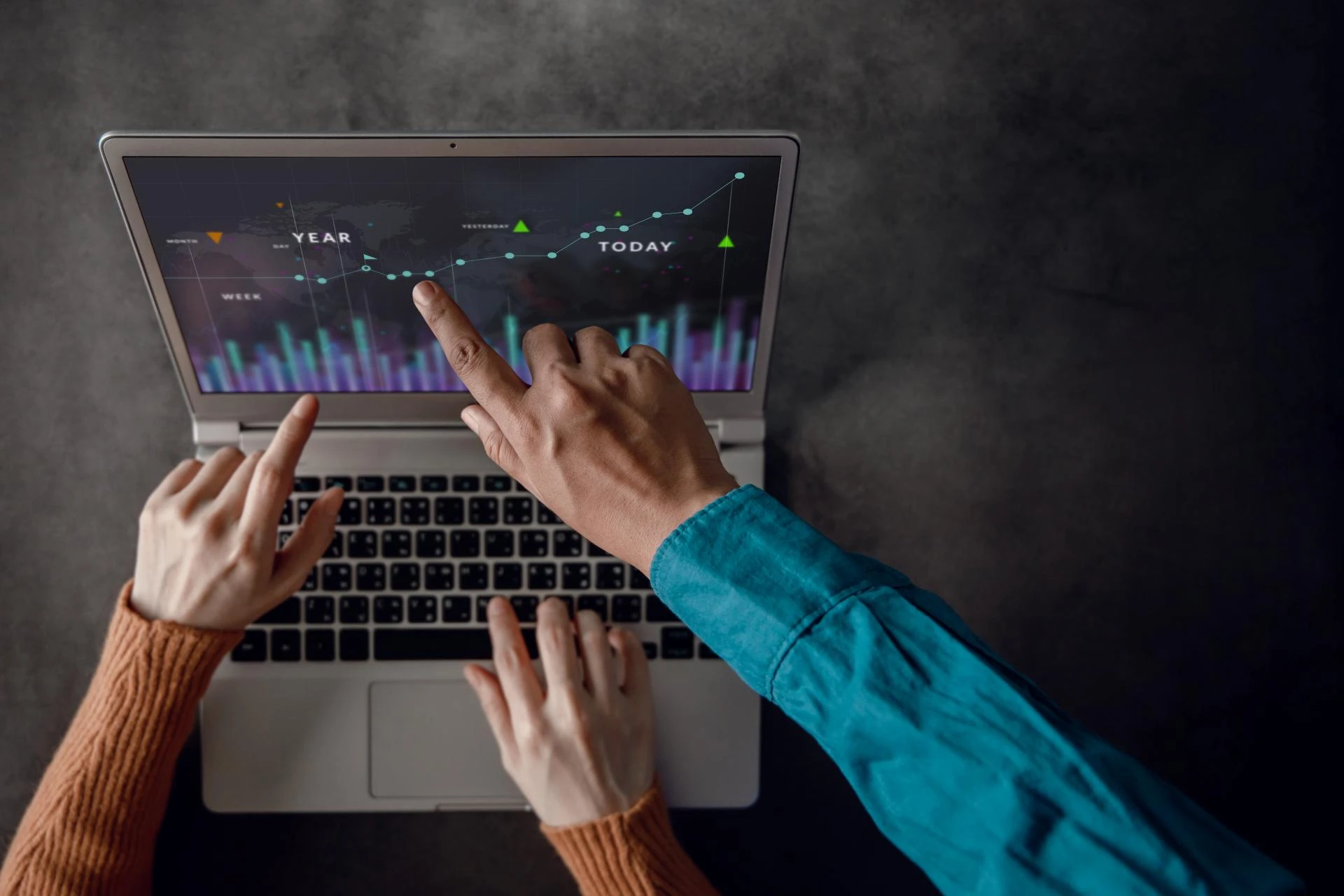

Trading has evolved dramatically over the last decade. What was once dominated by human decision-making is now increasingly influenced by algorithms, artificial intelligence, and automation.
In 2026, traders face an important question:
Is manual trading still relevant, or is automated trading the future?
The answer isn’t simple. Both approaches offer advantages and limitations. Understanding the differences can help traders choose the method that aligns with their goals, personality, and risk tolerance.
This guide breaks down manual and automated trading from an analytical perspective.
What Is Manual Trading?
Manual trading refers to the traditional method where a trader personally analyzes the market, decides when to enter or exit a position, and executes trades themselves.
This approach involves:
- Technical or fundamental analysis
- Chart pattern recognition
- News interpretation
- Personal judgment and discretion
Manual traders rely on experience, discipline, and emotional control to navigate market volatility.
What Is Automated Trading?
Automated trading uses software programs or algorithms to execute trades based on predefined rules. These systems can operate without constant human involvement.
Automated systems may include:
- Algorithmic trading strategies
- AI-powered signal systems
- Expert advisors (EAs)
- High-frequency trading models
Once programmed, these systems can scan markets, identify opportunities, and place trades automatically.
Key Differences in 2026
1. Speed and Efficiency
Automated trading clearly wins in terms of speed.
Algorithms can:
- Analyze thousands of data points instantly
- React to price movements in milliseconds
- Execute trades without delay
Manual traders, no matter how experienced, cannot match this execution speed.
However, speed alone does not guarantee profitability.
2. Emotional Control
One of the biggest challenges in trading is emotional discipline.
Manual traders must manage:
- Fear
- Greed
- Overconfidence
- Revenge trading
Automated systems remove emotional bias entirely. They follow logic, not feelings.
That said, humans are still responsible for designing and adjusting the system. Poor strategy design can lead to automated losses just as easily.
3. Flexibility and Adaptability
Manual traders can adapt quickly to unexpected events:
- Breaking geopolitical news
- Sudden economic shifts
- Market anomalies
Human intuition allows flexible decision-making in complex environments.
Automated systems, on the other hand, operate strictly within programmed conditions. While AI systems in 2026 are more adaptive than ever, they still rely on historical data models and algorithmic boundaries.
4. Consistency
Automation excels at consistency.
If a trading strategy is statistically proven, automation ensures:
- No skipped setups
- No hesitation
- No deviation from rules
Manual traders may struggle with consistency due to fatigue, distractions, or emotional influence.
Consistency often determines long-term performance.
5. Learning Curve
Manual trading requires:
- Strong technical knowledge
- Market experience
- Emotional maturity
- Continuous education
Automated trading requires:
- Strategy development skills
- Backtesting knowledge
- Understanding of risk parameters
- Monitoring system performance
Neither path is “easy.” They simply demand different competencies.
Risk Management Considerations
In both manual and automated trading, risk management remains the foundation of sustainability.
Manual traders must consciously apply:
- Position sizing
- Stop-loss placement
- Leverage control
Automated systems can enforce these rules automatically but only if correctly programmed.
Technology enhances risk control, but it does not replace sound judgment.
Which Is Better in 2026?
The answer depends on the trader.
Manual Trading May Suit You If:
- You enjoy analyzing charts personally
- You prefer full control over decisions
- You are comfortable reacting to market changes in real time
- You value flexibility over speed
Automated Trading May Suit You If:
- You prefer systematic approaches
- You want to remove emotional influence
- You seek efficiency and scalability
- You understand algorithm logic and backtesting
Many professionals now use a hybrid approach combining automation for execution with manual oversight for strategic adjustments.
The Rise of Hybrid Trading Models
In 2026, the most effective traders are not choosing one extreme over the other. Instead, they integrate both methods.
For example:
- Automated systems generate signals
- Human traders validate macro conditions
- Risk parameters are predefined
- Manual oversight ensures adaptability
This hybrid structure combines the efficiency of machines with the judgment of human intelligence.
The Role of Technology in Modern Trading
Modern trading platforms offer advanced analytics, automation tools, and customizable risk controls that empower both manual and automated traders.
Choosing the right environment matters just as much as choosing the method.
Access to real-time data, execution speed, and structured risk tools can significantly impact performance outcomes. Traders who want to explore structured trading environments and professional tools can learn more at PFH Markets to better understand how modern platforms support evolving strategies.
Final Analysis
Manual trading emphasizes intuition, flexibility, and hands-on control.
Automated trading emphasizes speed, discipline, and systematic execution.
In 2026, automation is not replacing human traders — it is reshaping how they operate.
The most successful traders understand that technology is a tool, not a substitute for strategy or risk management.
Whether you choose manual, automated, or hybrid trading, your long-term results will depend on:
- Discipline
- Risk control
- Continuous learning
- Strategic adaptation
Markets will continue to evolve. The question is not whether automation will dominate — but how effectively traders will integrate it into their decision-making processes.
Thought leadership in modern trading means understanding both human psychology and machine efficiency.
And in today’s markets, mastering both may be the ultimate competitive advantage.
























Sign in to leave a comment.