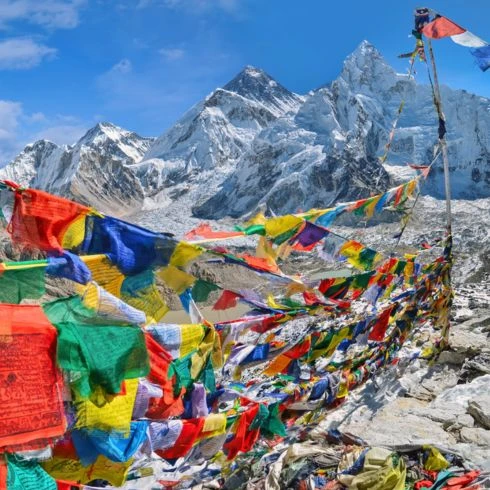

Climbing Mount Everest is a test of mental toughness, endurance, and preparation in addition to physical prowess. Everest, which stands at 8,848 meters, requires months of preparation, meticulous preparation, and total dedication. Everything you need to know before embarking on this transformative climb is provided here.
- Establish a Firm Basis
The secret to success is physical preparation. To endure long days in frigid, low-oxygen environments, climbers require extraordinary strength and endurance.
Cardio training: Uphill cycling, running, and hiking with a heavy pack increase lung capacity and stamina.
Strength training: Use squats, planks, and pull-ups to support heavy loads while concentrating on your legs, core, and shoulders.
Flexibility: To avoid injuries and enhance movement on uneven surfaces, incorporate yoga or stretching.
Focus on general conditioning and begin training at least four to six months prior to your trip.
- Get mentally ready
As much as it is a physical struggle, climbing Everest is a mental one. For weeks, climbers deal with fatigue, loneliness, and inclement weather. Stress management and mental resilience are enhanced by practices like visualization, deep breathing, and meditation. Journaling and setting small, daily goals can also help maintain a positive attitude during trying times.
- Gain Experience
- Before attempting Everest, gain experience on high-altitude climbs such as Aconcagua (6,960 m) or Cho Oyu (8,188 m). These peaks help your body adapt to thin air and teach crucial technical skills — using crampons, ice axes, ropes, and rescue equipment. Confidence with these tools is vital for safety.
Get the Right Gear
Extreme cold and unpredictable weather demand top-quality equipment. Use a layered clothing system — thermal base, insulating mid-layer, and waterproof outer shell. High-altitude boots, gloves, and a face mask are essential.Climbers also rely on crampons, ice axes, harnesses, and oxygen systems above 7,300 meters to survive in low-oxygen conditions.
Make an Expedition Plan
Essential steps include hiring Sherpas, selecting a trustworthy agency, and obtaining permits. Including weather delays and acclimatization, most expeditions last roughly 60 days. Eating high-calorie foods like nuts, protein bars, and freeze-dried meals is important, as is drinking at least four to five liters of water each day.
Timing and Safety
Avalanches, crevasse falls, and altitude sickness are among the dangers on Everest. If your body has trouble adjusting, learn first aid, keep an eye on your symptoms, and descend right away.
April through May or September through October are the best times to climb because of the generally stable weather.
Climbing Everest is not just about reaching the summit — it’s about discipline, patience, and respect for nature. With proper preparation and a focused mindset, the world’s highest peak becomes a goal within reach.
This article is contributed by QNT Sport India. For more, visit official site of https://www.qntsport.in/



























Sign in to leave a comment.