Disposable wet wipes have become an essential product across industries ranging from hospitality and healthcare to travel and personal care. Their convenience, portability, and effectiveness make them a preferred solution for quick cleaning and hygiene needs. As demand continues to grow, disposable wet wipes manufacturers are developing products with different materials, finishes, and packaging formats to meet specific applications. Understanding these variations helps businesses and consumers choose wipes that deliver the right balance of comfort, durability, and performance.
Understanding the Materials Used in Wet Wipes
The foundation of every wet wipe is the material from which it is made. Different materials provide unique characteristics that influence absorbency, softness, and strength. Nonwoven fabrics are among the most commonly used materials because they combine durability with a soft texture. These fabrics are typically produced using fibers such as polyester, viscose, polypropylene, or blends of natural and synthetic materials.
Some manufacturers also incorporate biodegradable fibers to address growing environmental concerns. The choice of material often depends on the intended use, whether for personal hygiene, food service, healthcare, or industrial cleaning applications.
Why Material Selection Matters
The material directly impacts how a wipe performs during use. Softer fabrics are often preferred for personal care applications, while stronger materials may be required for heavy-duty cleaning tasks.
Absorbency is another important consideration. Materials that retain moisture effectively help maintain product freshness and improve cleaning performance. Durability ensures that wipes remain intact during use, reducing waste and improving user satisfaction. Selecting the appropriate material helps ensure that the wipe delivers consistent results while meeting the specific requirements of its intended environment.
Different Surface Finishes Enhance Performance
In addition to material selection, surface finishes play a significant role in how wet wipes function. Manufacturers can modify textures to improve cleaning effectiveness and user experience. Smooth finishes are often chosen for gentle applications where comfort is a priority. Textured finishes, on the other hand, can improve the removal of dirt, grease, or residues by creating additional surface contact.
Embossing patterns may also be incorporated into the fabric to enhance strength, absorbency, and visual appeal. These finishes allow manufacturers to tailor products for a wide range of commercial and consumer applications.
Common Features Found in Modern Wet Wipes
Today's wet wipes are available with various features designed to improve performance and convenience:
- Soft-touch materials for enhanced comfort
- Textured surfaces for improved cleaning
- High-absorbency fabrics for moisture retention
- Fragrance-free and scented options
- Biodegradable material alternatives
- Compact and travel-friendly packaging
These features help manufacturers serve different industries while meeting evolving customer expectations.
Packaging Formats Designed for Different Uses
Packaging is another important aspect of wet wipe design. Different industries require different formats to support convenience, hygiene, and storage needs.
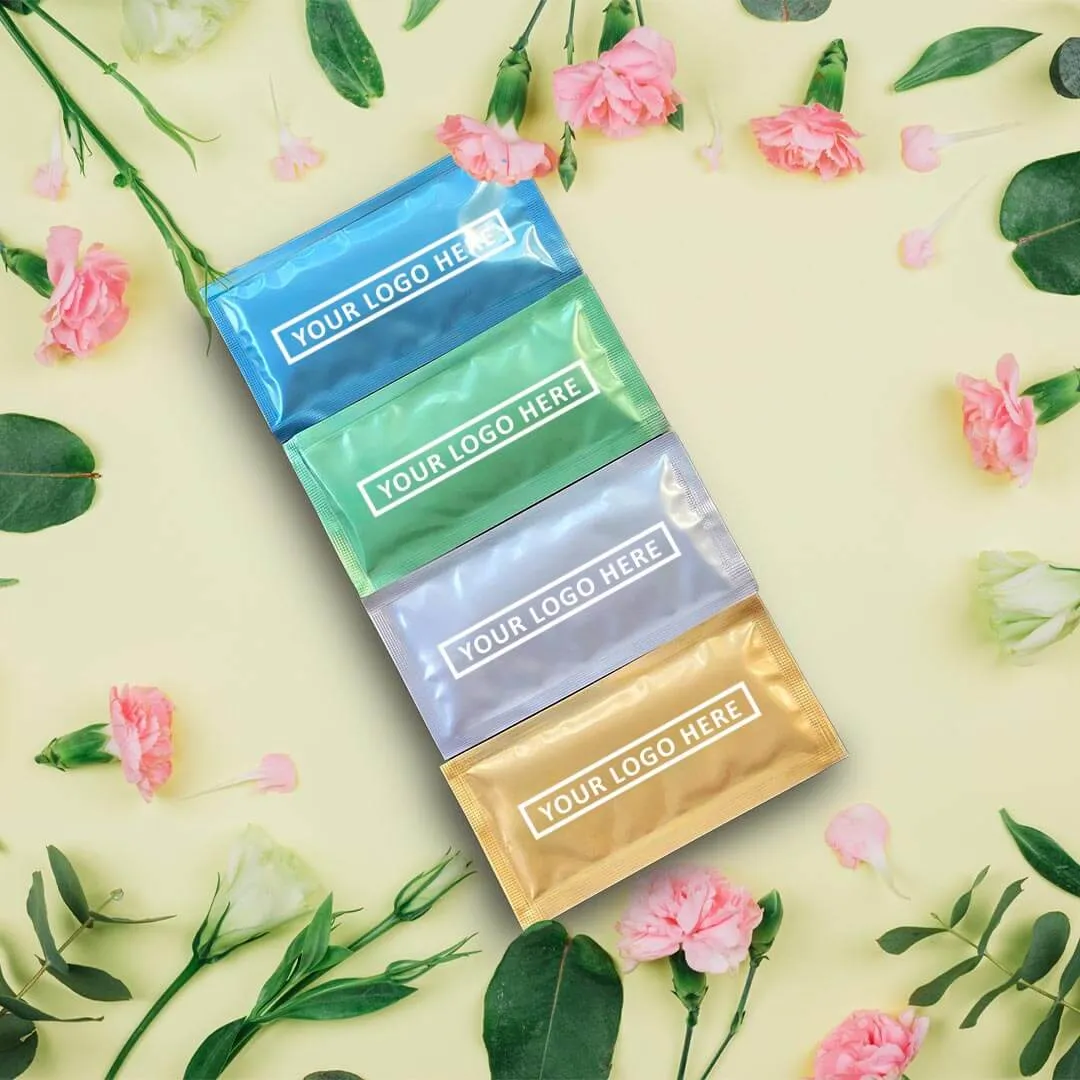
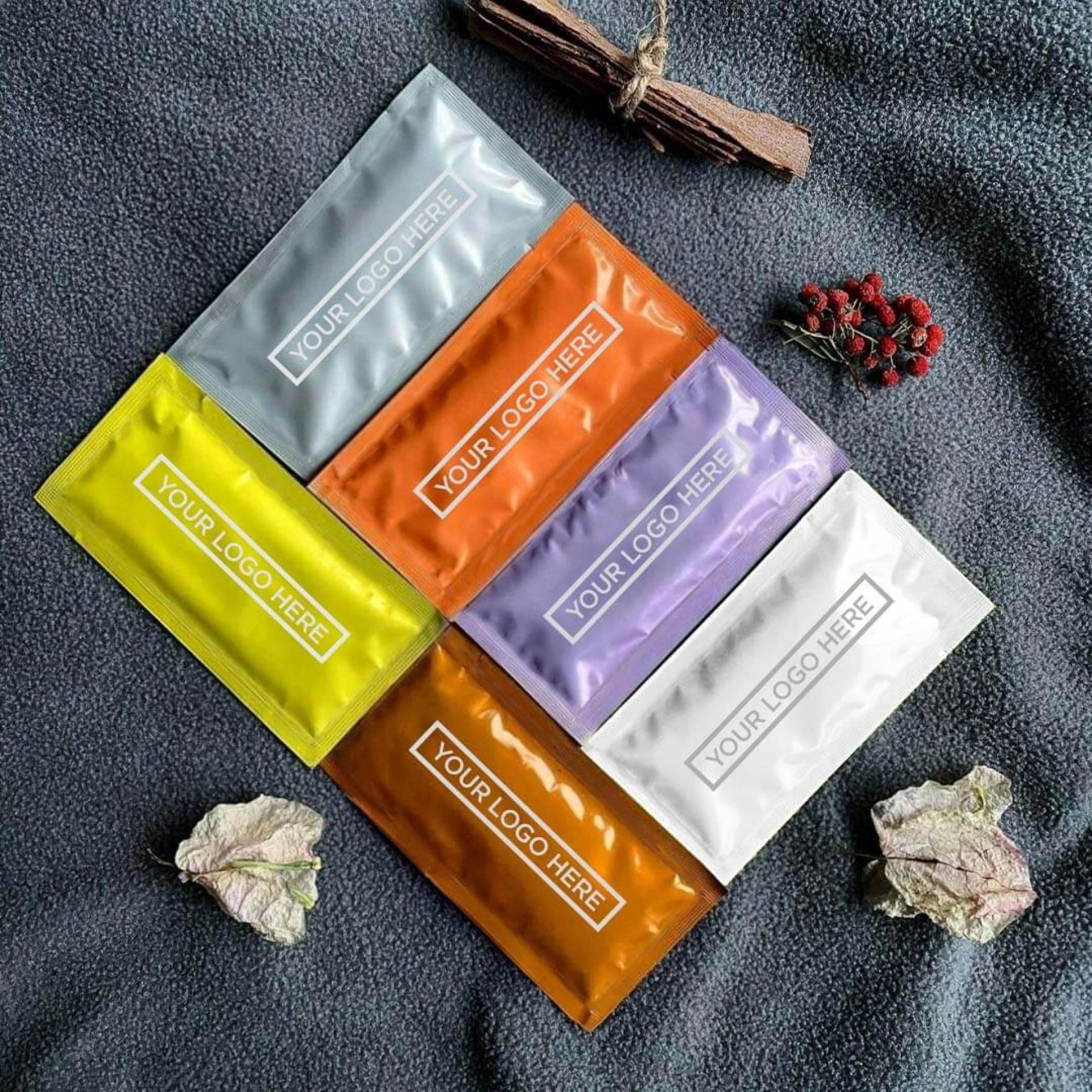
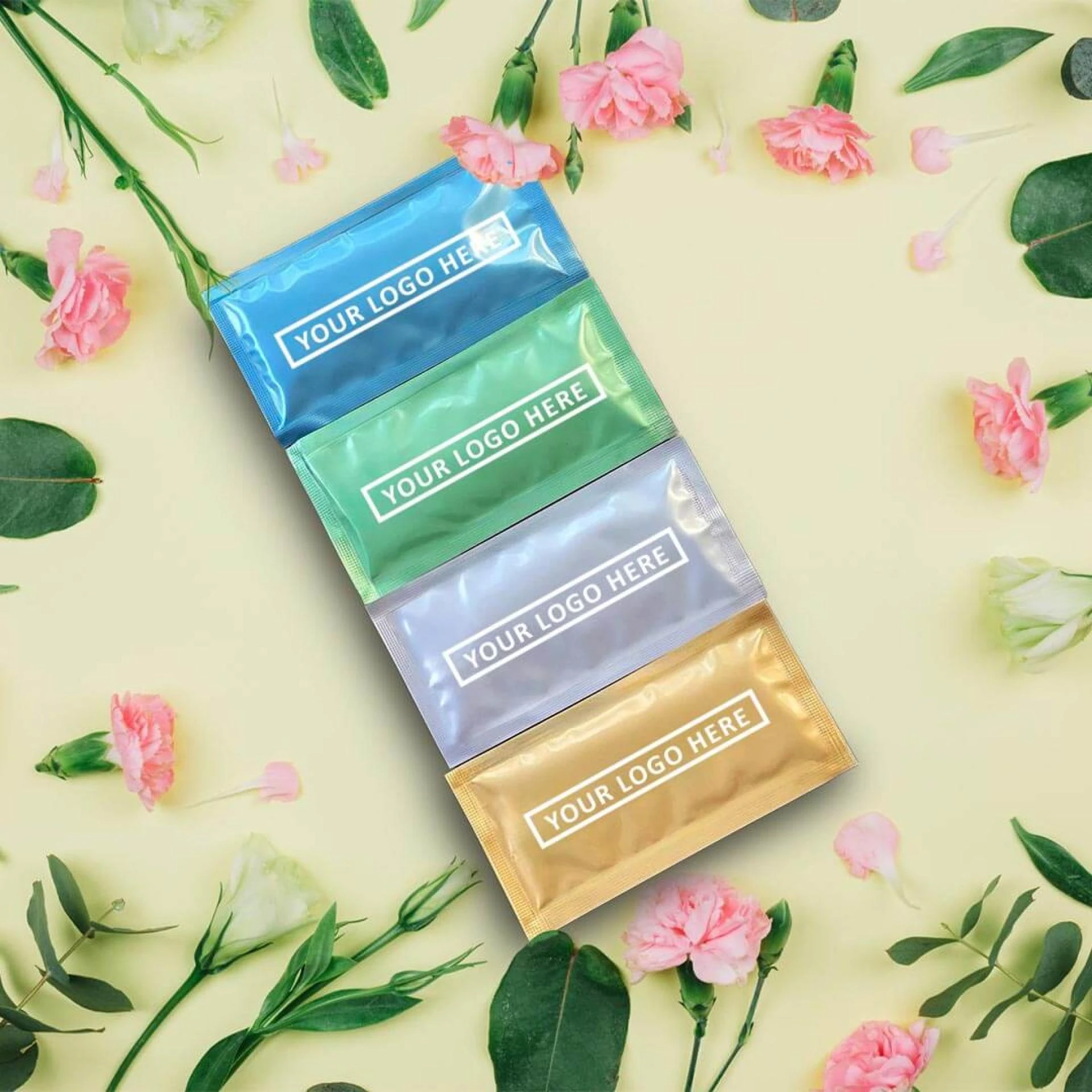
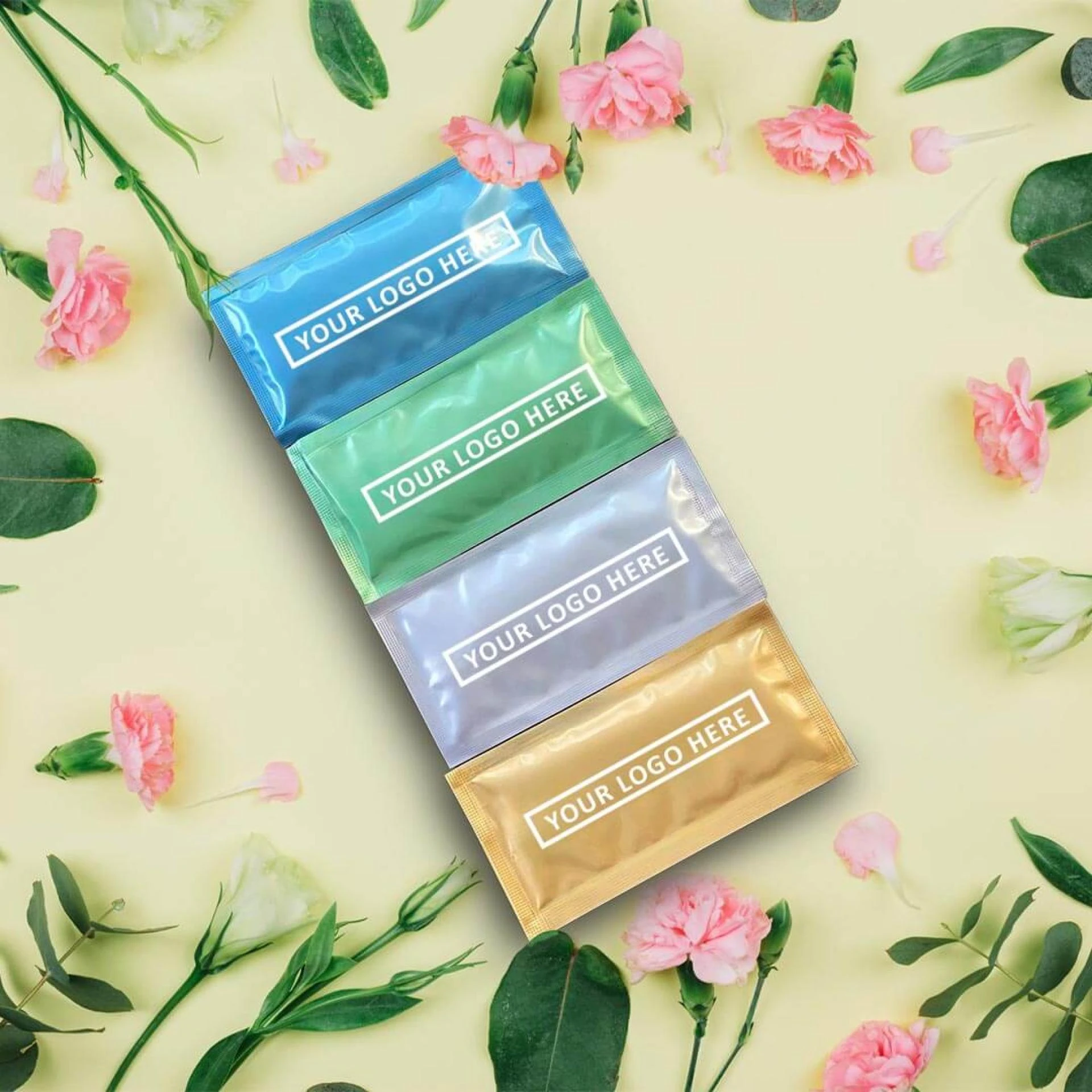
For example, restaurant wet wipes individually wrapped are commonly selected for food service environments because they provide a hygienic, single-use solution for guests. Individual packaging also helps maintain moisture levels until the product is used. Other popular formats include soft packs, canisters, refill pouches, and bulk containers. Each format offers advantages depending on the setting, frequency of use, and distribution requirements.
Industry Requirements Influence Product Design
The intended application often determines the final design of a wet wipe product. Healthcare facilities may prioritize hygiene and durability, while hospitality businesses often focus on presentation and guest convenience.
In the middle of these evolving demands, disposable wet wipes manufacturers continue developing specialized products tailored to different industries. Material selection, surface texture, moisture content, and packaging style all work together to ensure the product performs effectively in its intended environment. As businesses seek solutions that improve customer experiences and operational efficiency, customization has become an increasingly important factor in product development.
Choose the Right Wet Wipe Solution for Your Needs!
Materials, finishes, and formats all contribute to the performance and effectiveness of disposable wet wipes. From soft nonwoven fabrics and textured surfaces to convenient packaging options, each element serves a specific purpose. Understanding these differences helps businesses make informed decisions when selecting products for their customers or operations. As innovation continues to shape the industry, disposable wet wipes manufacturers are introducing more specialized solutions that address evolving hygiene, convenience, and sustainability requirements. Explore the available options today to find the right wet wipe solution for your specific application and performance goals.






















Sign in to leave a comment.