
Introduction
In industries like construction, mining, and agriculture, heavy equipment plays a critical role in ensuring operational efficiency and productivity. However, managing these assets effectively can be challenging without the right tools. Smart fleet management has emerged as a transformative solution, enabling businesses to monitor, optimize, and maintain their heavy equipment fleets with precision. By leveraging advanced technologies such as fleet management software, companies can streamline operations, reduce downtime, and maximize productivity. In this guide, we’ll explore how smart fleet management enhances heavy equipment operations and why it’s essential for modern businesses.

Why Choose Smart
Fleet Management for Heavy Equipment?
Smart fleet management offers a comprehensive approach to overseeing heavy equipment, addressing challenges like inefficiency, maintenance delays, and misuse. Here’s why it’s a game-changer:
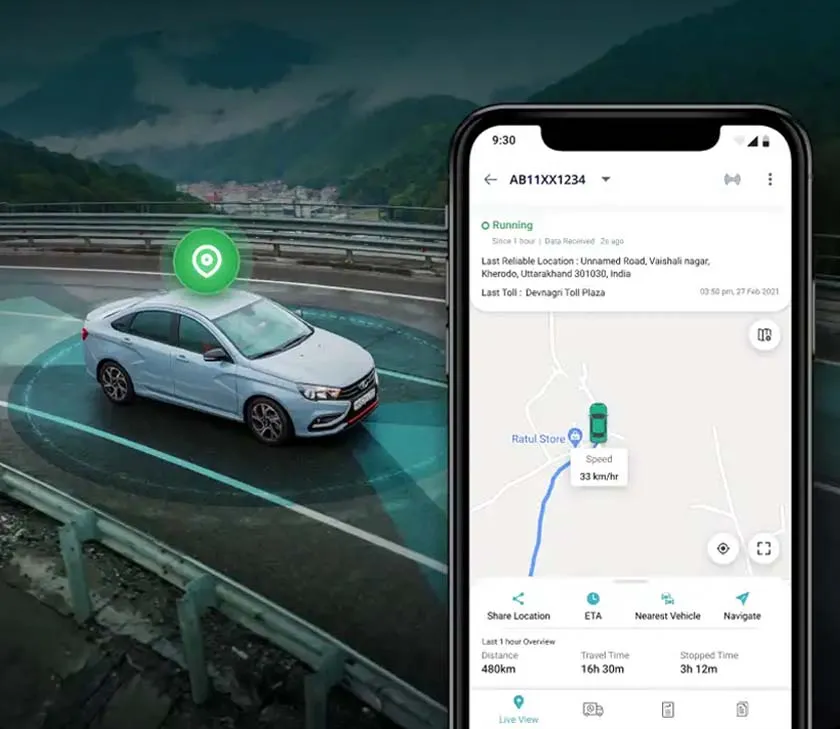
- Real-Time Monitoring: Gain instant visibility into equipment location, usage, and performance.
- Improved Maintenance Scheduling: Predict potential breakdowns and schedule repairs before they occur.
- Enhanced Productivity: Optimize equipment utilization and reduce idle time.
- Cost Savings: Minimize fuel consumption, repair costs, and operational inefficiencies.
- Data-Driven Insights: Access actionable analytics to make informed decisions and improve workflows.
By adopting smart fleet management, businesses can ensure their heavy equipment operates at peak efficiency while reducing unnecessary expenses.
How Does Smart Fleet Management Work?
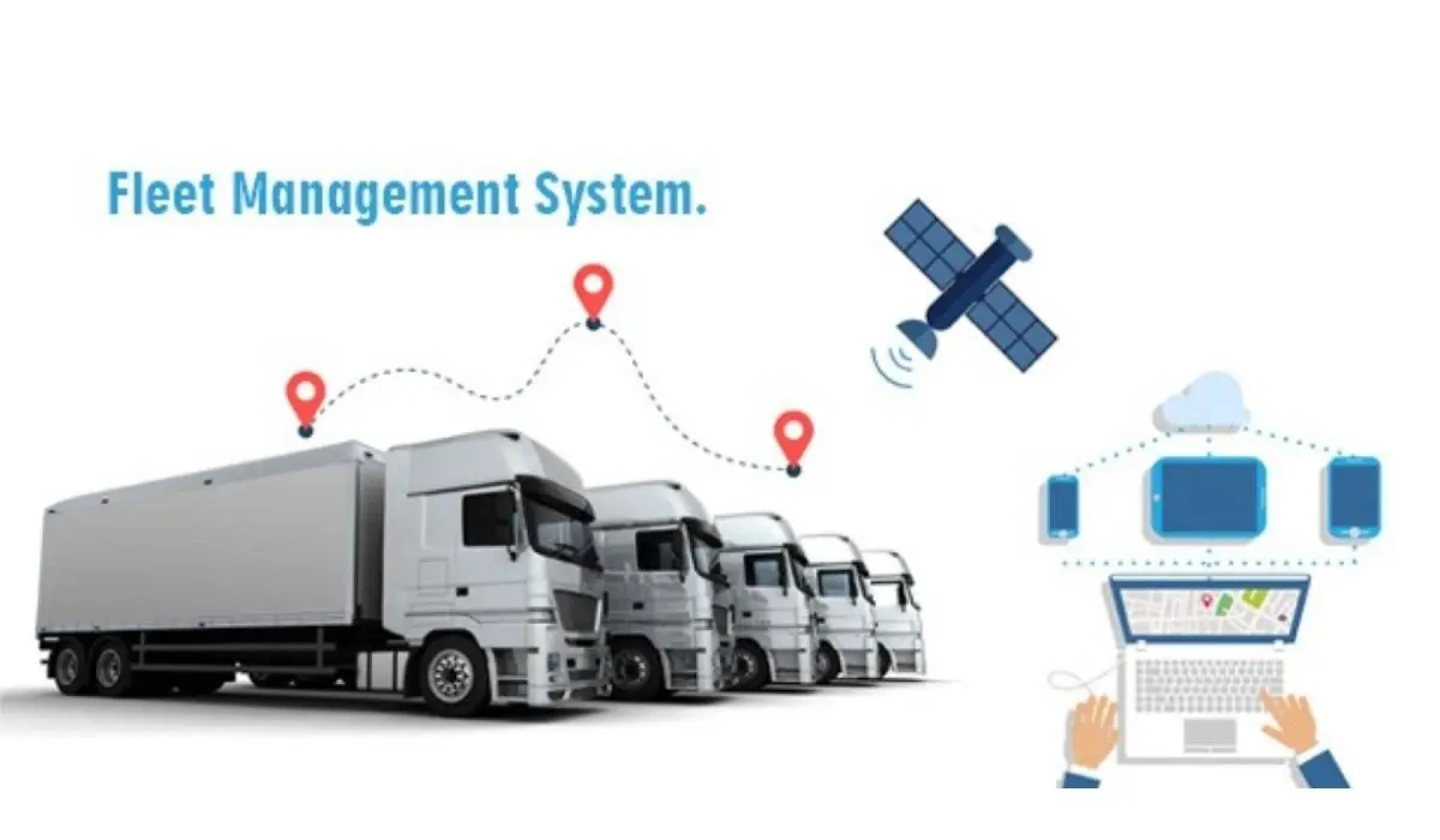
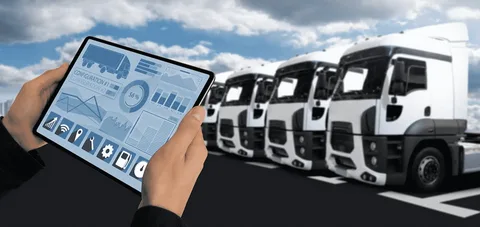
A smart fleet management system integrates cutting-edge technologies like GPS tracking, IoT sensors, and cloud-based platforms to provide end-to-end oversight of heavy equipment. Here’s how it functions:
- GPS Tracking:
- Monitors the real-time location of equipment to ensure it’s being used as intended.
- Helps prevent theft and unauthorized use by providing precise location data.
- IoT Sensors:
- Collect data on engine performance, fuel levels, and operating conditions.
- Detect anomalies that could indicate potential issues or inefficiencies.
- Predictive Maintenance:
- Analyzes equipment health metrics to predict when maintenance is needed.
- Reduces downtime by addressing problems before they lead to costly breakdowns.
- Geofencing:
- Creates virtual boundaries to restrict equipment movement to designated areas.
- Sends alerts if equipment is moved outside approved zones.
- Automated Reporting:
- Generates detailed reports on equipment usage, fuel consumption, and maintenance history.
- Provides insights into operational trends and areas for improvement.
These features enable businesses to take a proactive approach to managing their heavy equipment fleets.
Benefits of Smart Fleet Management for Heavy Equipment Operations
Implementing a smart fleet management system offers numerous advantages that directly impact productivity and profitability. Here are some key benefits:
- Optimized Equipment Utilization:
- Track usage patterns to ensure equipment is deployed efficiently and not left idle unnecessarily.
- Allocate resources more effectively to meet project demands.
- Reduced Downtime:
- Predictive maintenance minimizes unexpected breakdowns and extends equipment lifespan.
- Ensures machinery is always ready for use when needed.
- Fuel Efficiency:
- Monitor fuel consumption to identify wastage and implement corrective measures.
- Reduce operational costs by optimizing fuel usage.
- Enhanced Security:
- Protect valuable equipment from theft or unauthorized use with real-time tracking and geofencing.
- Recover stolen assets quickly using precise location data.
- Improved Compliance:
- Ensure adherence to safety regulations and operational protocols through detailed monitoring.
- Maintain accurate records for audits or inspections.
- Streamlined Workflows:
- Automate processes like maintenance scheduling and reporting to save time and reduce manual effort.
- Focus on core activities while the system handles routine tasks.
Applications of Smart Fleet Management in Heavy Equipment Operations
Smart fleet management is highly versatile and can be applied across various industries and scenarios. Here are some common examples:
- Construction:
- Monitor excavators, bulldozers, and cranes to ensure timely completion of projects.
- Prevent misuse or unauthorized use of equipment on job sites.
- Mining:
- Track drills, loaders, and haul trucks to optimize material extraction and transportation.
- Ensure compliance with safety and environmental regulations.
- Agriculture:
- Manage tractors, harvesters, and plows to maximize crop yields and reduce operational costs.
- Monitor equipment health to avoid delays during critical farming seasons.
- Logistics and Warehousing:
- Oversee forklifts and other material-handling equipment to improve warehouse efficiency.
- Reduce accidents and damage caused by improper use.
- Oil and Gas:
- Secure drilling rigs and transport vehicles used in remote locations.
- Track fuel consumption and maintenance needs to minimize operational expenses.
By implementing heavy equipment fleet management, businesses can address industry-specific challenges and achieve measurable improvements in productivity.
Where Can You Find Reliable Smart Fleet Management Solutions?
Finding the right smart fleet management solutions is crucial for maximizing the benefits of heavy equipment operations. Here are some options to consider:
- Local Suppliers: Visit technology providers specializing in fleet management tools for heavy equipment.
- Online Platforms: Explore websites that offer customizable software solutions tailored to industrial needs.
- Industry Networks: Partner with consultants or professionals who recommend trusted systems based on experience.
- Trade Shows: Attend events focused on construction, mining, or logistics to connect with innovative suppliers.
- Referrals: Seek recommendations from peers or colleagues in similar industries who have successfully implemented smart fleet management.
Many providers offer scalable solutions to accommodate businesses of all sizes, ensuring flexibility and adaptability as operations grow.
Conclusion
Smart fleet management is revolutionizing heavy equipment operations by providing real-time visibility, predictive maintenance, and actionable insights. With tools like fleet management software, businesses can optimize equipment utilization, reduce downtime, and enhance productivity. By adopting these technologies, companies can overcome common challenges, streamline workflows, and achieve long-term success.
Don’t let inefficiencies hold your business back—invest in a smart fleet management system today! By leveraging these innovative solutions, you can take full control of your heavy equipment fleet, maximize productivity, and drive your business forward.























Sign in to leave a comment.