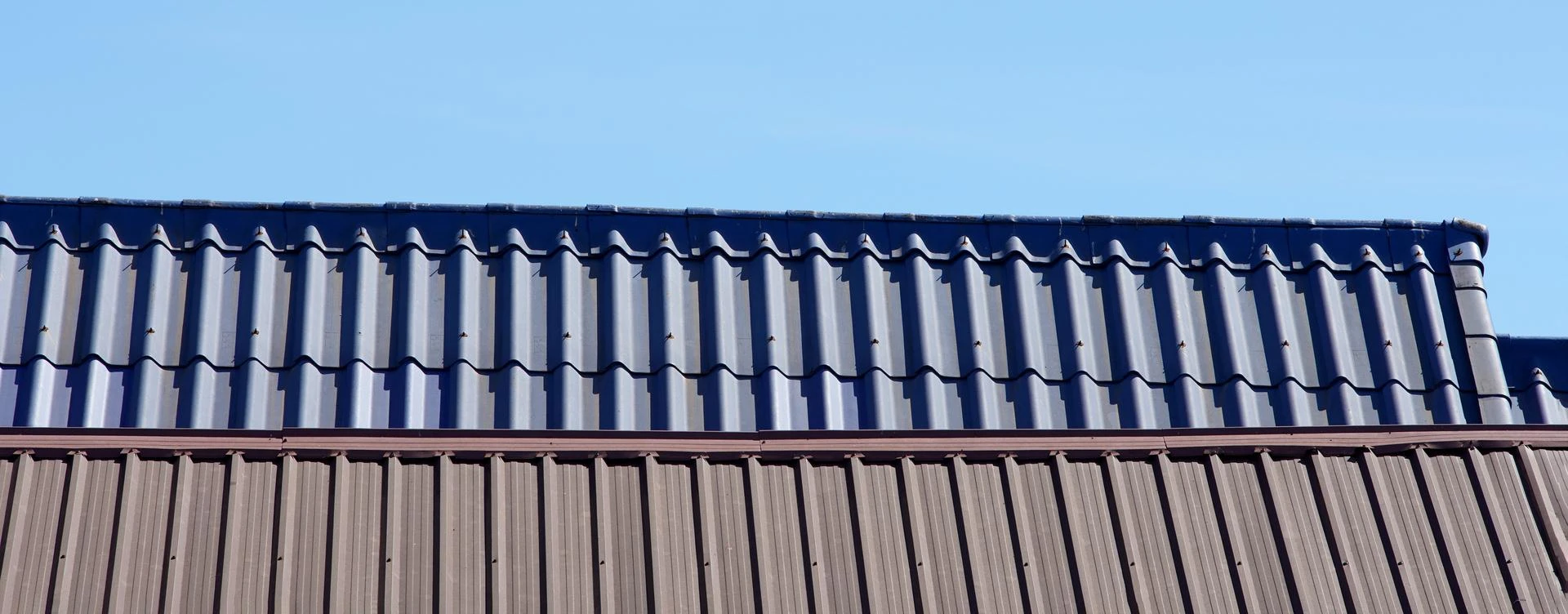

Understanding Metal Roof Installation
Metal roof installation is a precise process that requires careful planning and execution. Homeowners can choose between a DIY approach or hiring a professional. The process involves:
Preparing the roof deck by ensuring a solid foundation
Installing an underlayment for added protection
Placing and securing metal panels or shingles
Properly sealing edges and fasteners to prevent leaks
Costs and Factors Affecting Metal Roof Installation
The cost of installing a metal roof depends on various factors, including the type of metal, roof complexity, labor charges, and additional materials such as underlayment and fasteners. On average, metal roofing costs between $8,000 and $20,000, but it offers long-term savings due to its durability and energy efficiency.
DIY vs. Professional Installation
Many homeowners consider installing a metal roof on their own to save costs. While DIY installation can be feasible for those with roofing experience, professional installation ensures proper alignment, waterproofing, and structural integrity. Hiring a professional reduces the risk of mistakes that could lead to costly repairs.
Best Underlayment Options
Underlayment is a crucial component of a metal roof, acting as an extra layer of protection against moisture and heat. Common underlayment options include:
Synthetic underlayment — lightweight, durable, and water-resistant
Felt underlayment — traditional but less durable than synthetic alternatives
Peel-and-stick membrane — ideal for areas prone to heavy rainfall or snow
Installing Metal Roof Over Shingles
A major advantage of metal roofing is that it can often be installed over existing shingles, reducing labor costs and landfill waste. However, factors such as local building codes, roof weight capacity, and the condition of existing shingles should be considered before opting for this approach.
How Long Does a Metal Roof Last?
One of the biggest advantages of metal roofing is its longevity. Depending on the material, a metal roof can last between 40 to 70 years, far surpassing the lifespan of asphalt shingles. With proper maintenance, some metal roofs can last even longer.
Common Mistakes to Avoid During Installation
Using incorrect fasteners that may loosen over time
Failing to align panels properly, leading to leaks
Not installing adequate ventilation, which can cause moisture buildup
Skipping underlayment, reducing insulation and protection
Maintenance and Care
Regular maintenance extends the lifespan of a metal roof. Here are some tips:
Inspect for loose or missing fasteners
Clean debris and dirt from the surface
Check for signs of corrosion or rust, especially on exposed edges
Ensure proper drainage to prevent water pooling
Comparing Metal Roofs to Other Roofing Options
Metal Roof vs. Shingle Roof
Durability: Metal roofs last 40–70 years, while shingles last 20–30 years.
Cost: Metal roofs have a higher upfront cost but lower maintenance expenses.
Energy Efficiency: Metal reflects heat, reducing cooling costs, whereas shingles absorb heat.
Standing Seam vs. Corrugated Metal Roofs
Standing Seam: Modern look, fewer exposed fasteners, slightly more expensive
Corrugated Metal: More affordable, traditional appearance, requires more fasteners
Final Thoughts
Investing in a metal roof offers numerous benefits, from long-term durability to energy efficiency. Whether you opt for professional installation or tackle the project yourself, understanding the materials, costs, and best practices will ensure a successful outcome. By following proper maintenance steps, your metal roof will provide protection and style for decades to come
For more information
Website — https://mymetalroof.com/metal-roofs/
Contact — 888–807–6511
Address — 6061 Cinderlane Pkwy, Orlando, FL 32810, United States
























Sign in to leave a comment.