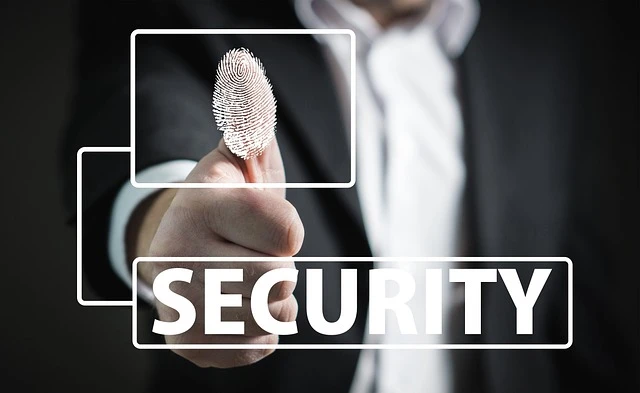

Multi-factor authentication (MFA) has become a cornerstone of cybersecurity, offering an additional layer of protection beyond just passwords. As we move into 2025, the landscape of MFA is evolving rapidly, influenced by emerging technologies, shifting threats, and changing user expectations. Let’s take a closer look at the key trends and advancements in MFA we can expect to see in 2025.
1. More Widespread Adoption of Passwordless Authentication
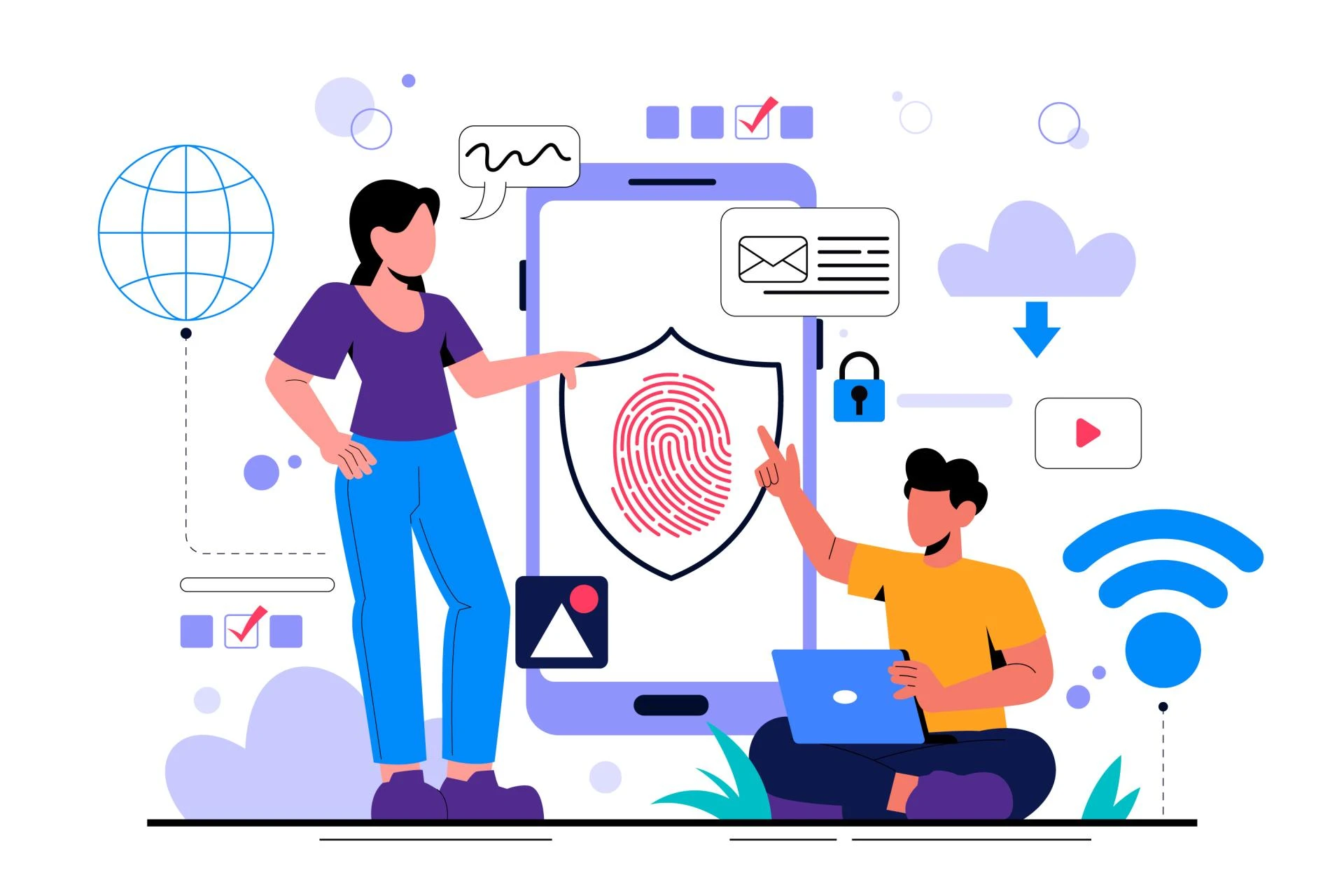
In 2025, it’s likely that passwordless authentication will continue its rise as the preferred security method. Passwords are often the weakest link in the security chain, vulnerable to phishing attacks, brute-force attempts, and simple human error. Technologies such as biometric verification, hardware tokens, and FIDO2 standards will dominate, allowing users to authenticate through fingerprints, facial recognition, or even devices they already own, like smartphones.
This shift away from passwords will not only improve security but also streamline the user experience. Users will no longer need to remember complex passwords or rely on password managers, making their interactions with digital systems more seamless and secure.
2. The Rise of Biometric Authentication
Biometric authentication methods—fingerprints, face scans, and voice recognition—are already gaining traction, but by 2025, they’ll likely become the norm for MFA. Biometrics offer the perfect combination of convenience and security. People are already accustomed to using facial recognition or fingerprints to unlock their phones, so integrating these methods into workplace and enterprise systems will be the natural progression.
Expect more companies to adopt biometric systems for everything from logging into workstations to verifying identity for high-value transactions. These systems will become faster, more accurate, and harder to spoof, providing even greater confidence in their security.
3. Adaptive MFA: A Smarter Approach
By 2025, adaptive MFA will likely become standard practice. Unlike traditional MFA, which requires the same set of verification methods for every login, adaptive MFA dynamically adjusts the level of authentication based on factors like the user’s location, device, and behavior patterns. If a user is logging in from an unfamiliar location or a new device, the system may prompt for additional verification, such as a one-time password (OTP) or biometric scan.
Adaptive MFA enhances user experience by reducing friction for low-risk activities while ramping up security for potentially suspicious behavior. This context-aware approach ensures that businesses can maintain strong security without overwhelming users with unnecessary steps.
4. Integration with AI and Machine Learning
Artificial intelligence (AI) and machine learning (ML) are playing an increasingly important role in the evolution of MFA. By 2025, we can expect these technologies to help improve both security and user experience. AI and ML will be used to analyze patterns in user behavior, detect anomalies, and identify potential security threats in real time. This will help further refine adaptive MFA systems, enabling them to be more proactive in detecting and preventing unauthorized access.
For example, AI could monitor a user's typing patterns, browsing history, or typical login times to assess the likelihood of an attack. If the AI detects unusual activity, it might trigger additional verification methods or flag the event for further investigation.
5. MFA as a Service (MFAaaS)
In 2025, the demand for outsourced cybersecurity services will continue to grow, and MFA will be no exception. MFA as a Service (MFAaaS) is expected to gain popularity, especially among smaller organizations that may lack the resources to manage complex security systems in-house. MFAaaS will allow businesses to integrate robust MFA solutions quickly and easily, offering scalable, flexible security tailored to their needs.
These services will offer not just basic MFA but also features like adaptive authentication, biometric support, and AI-powered threat detection. With MFAaaS, even organizations with limited IT resources can benefit from enterprise-grade security, staying ahead of evolving threats.
6. Seamless User Experience with MFA
User experience is a critical factor in MFA adoption, and in 2025, we’ll see even more emphasis on making the MFA process as frictionless as possible. While security will remain a top priority, businesses will recognize the need to balance security with ease of use. Expect to see more streamlined and integrated MFA systems that work behind the scenes, requiring little or no effort from users.
For example, MFA might become so seamless that users don’t even notice it happening. With facial recognition, voice authentication, or smartwatch authentication, users can authenticate without having to interact with a prompt at all. This frictionless approach will help boost user satisfaction and increase MFA adoption rates.
7. Quantum Computing and the Future of MFA
Looking even further into the future, the rise of quantum computing presents both challenges and opportunities for MFA. While quantum computing could eventually break traditional encryption methods, it also offers the potential to revolutionize authentication systems. By 2025, we might see the first steps toward quantum-resistant authentication methods, such as quantum key distribution, which will keep MFA secure in the face of new threats.
For now, though, businesses will need to remain focused on the current trends, adopting the latest MFA technologies to protect their digital assets while keeping an eye on how quantum advancements could change the landscape in the years ahead.
Conclusion
As we move into 2025, Multi-factor authentication will continue to evolve with advancements in technology, making authentication not only more secure but also more user-friendly. From passwordless systems to adaptive MFA and AI-powered security, the future of MFA is bright. As security needs grow and cyber threats become more sophisticated, the importance of MFA will only increase, making it a crucial part of any organization's cybersecurity strategy.
Adopting these emerging MFA solutions will be key to staying ahead of cybercriminals and ensuring a safe and seamless digital experience for all users.
























Sign in to leave a comment.