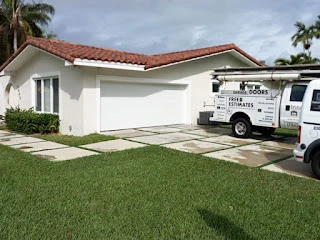
Living in Miami comes with plenty of perks — warm weather, coastal views, and year-round sunshine. But that same environment can be tough on your home, especially your garage door. Many homeowners don’t realize how much daily wear, humidity, salt air, and heat affect garage door systems until something goes wrong.
When small issues are ignored, they often turn into larger, more expensive repairs. That’s why understanding what to watch for can save you time, stress, and money. Whether your door is brand new or several years old, knowing the early warning signs makes a big difference.
Problems that seem minor at first often require professional attention, and many homeowners eventually search for Garage Door Repair in Miami services after damage has already worsened. Spotting trouble early helps you stay ahead of breakdowns instead of reacting to emergencies.
Why Garage Doors Need Extra Attention in Miami
Humidity and Salt Air Cause Faster Wear
Miami’s climate is one of the biggest factors behind garage door problems. Constant moisture in the air accelerates corrosion and mechanical wear.
Common effects include:
- Rust forming on springs, hinges, and tracks
- Metal components weakening over time
- Faster deterioration of cables and rollers
- Electrical parts suffering from moisture exposure
Even doors made from durable materials can develop issues if not maintained properly.
Daily Use Adds Hidden Stress
Garage doors are typically the largest moving part of a home. Many families open and close the door several times a day without thinking about the strain placed on the system.
Frequent operation leads to:
- Spring fatigue
- Roller wear
- Opener stress
- Gradual track misalignment
Because damage builds slowly, homeowners often miss early signs.
Common Mechanical Garage Door Problems
4
Broken or Worn Springs
Springs do most of the heavy lifting. When they weaken or snap, the door becomes unsafe or stops working entirely.
Warning signs include:
- Door feels unusually heavy
- Loud bang from the garage
- Door opens only a few inches
- Visible gaps in the spring
Spring failure is never a DIY job. These components are under extreme tension.
Damaged Rollers and Tracks
Smooth movement depends on properly functioning rollers and straight tracks. Small misalignments quickly grow into larger issues.
Look for:
- Jerky door movement
- Grinding or scraping sounds
- Door shifting sideways
- Visible bending or gaps in tracks
Ignoring track issues can eventually cause the door to come off its rails.
Weather-Related Garage Door Issues
Rust and Corrosion Damage
Moisture exposure is unavoidable in Miami. Over time, metal components start breaking down.
Common corrosion problems:
- Weakening springs
- Seized hinges
- Track damage
- Cable deterioration
Rust doesn’t just affect appearance — it reduces structural strength.
Warped Panels and Material Fatigue
Heat and humidity also affect door panels, especially on older systems or lower-quality materials.
Possible symptoms:
- Uneven gaps
- Difficulty sealing
- Cracks or bending
- Increased vibration
Warping often leads to alignment problems.
Noisy Garage Doors: More Than Just Annoying
Unusual Sounds Signal Trouble
Garage doors naturally make some noise, but sudden changes usually indicate a problem.
Pay attention to:
- Squeaking
- Grinding
- Popping
- Rattling
Different sounds often point to different mechanical issues.
Noise Often Means Friction or Wear
Most noise problems stem from components struggling to move smoothly.
Frequent causes:
- Dry rollers
- Loose hardware
- Worn bearings
- Track misalignment
Lubrication sometimes helps, but persistent noise needs inspection.
Safety Risks Homeowners Should Never Ignore
Sensor and Reversal Problems
Modern garage doors rely on safety sensors. When they malfunction, serious hazards appear.
Danger signs:
- Door closes unexpectedly
- Door doesn’t reverse when obstructed
- Flashing sensor lights
- Inconsistent operation
Faulty sensors increase injury risks, especially for children and pets.
Cable and Spring Failures
Certain failures create immediate safety threats.
High-risk issues include:
- Frayed cables
- Loose tension
- Broken springs
- Sudden door drops
These problems require urgent professional repair.
Security Problems Linked to Garage Doors
Weak Points for Break-Ins
Garage doors are a common entry point for intruders when systems aren’t functioning properly.
Security concerns:
- Doors that don’t fully close
- Damaged locking mechanisms
- Malfunctioning openers
- Manual release vulnerabilities
Even small gaps can compromise home security.
Opener Malfunctions Affect Protection
Garage door openers play a major role in safety and convenience.
Possible warning signs:
- Delayed response
- Random opening/closing
- Remote failure
- Excessive motor noise
Electrical problems can worsen quickly.
When Small Issues Turn Into Major Repairs
Delayed Repairs Increase Costs
Minor garage door problems rarely stay minor.
What starts as:
- Slight noise
- Slow movement
- Occasional sticking
Often becomes:
- Complete failure
- Emergency repairs
- Component replacement
Early fixes are almost always cheaper.
Progressive Damage Affects Multiple Parts
Garage door systems are interconnected. One failing part strains others.
For example:
- Bad rollers stress tracks
- Weak springs overload openers
- Misalignment damages panels
Waiting too long creates chain reactions.
Preventive Maintenance That Saves Money
Simple Checks Homeowners Can Perform
Regular observation helps identify problems early.
Monthly visual checks:
- Look for rust or corrosion
- Watch door movement
- Listen for unusual sounds
- Inspect seals and weather stripping
Early detection prevents sudden breakdowns.
Professional Inspections Provide Deeper Protection
Some issues aren’t visible to untrained eyes.
Professional inspections often catch:
- Spring fatigue
- Cable tension problems
- Track alignment issues
- Opener stress
Preventive service extends system lifespan.
Practical Tips for Miami Homeowners
Keep Moving Parts Properly Lubricated
Friction is a major cause of wear.
Key areas to lubricate:
- Rollers
- Hinges
- Springs
- Bearings
Use products designed specifically for garage doors.
Address Moisture and Salt Exposure
Reducing environmental damage helps protect components.
Helpful strategies:
- Clean metal parts periodically
- Remove visible rust early
- Replace worn seals
- Improve garage ventilation
Small steps slow corrosion.
Garage doors often go unnoticed until they stop working. But in Miami’s demanding environment, early attention matters. Small noises, slight delays, or minor movement issues frequently signal deeper problems developing behind the scenes.
By watching for warning signs and acting quickly, homeowners avoid sudden failures, expensive repairs, and unnecessary safety risks. A well-maintained garage door not only works better but also protects your home, improves security, and reduces long-term costs.
Staying proactive is always easier than dealing with an unexpected breakdown.






















Sign in to leave a comment.