
Today, banking services operate primarily through mobile applications, allowing people to manage their money, transactions, and other financial details. Mobile application security has moved from being a backend concern to a core business requirement. With rising transaction volumes, open banking APIs, and increasingly sophisticated attacks, banks and fintech companies must have strong security in 2026 to protect their application.
Mobile banking apps deal with highly sensitive financial data, real-time transactions, and user identities. This makes them an attractive target for attackers looking to steal credentials, manipulate transactions, exploit APIs, or misuse business logic. Even one small vulnerability can result in financial loss and shaken customer trust, which is why following strong application security best practices is essential for every mobile banking platform.
Features required for mobile banking app security 2026
Runtime application protection
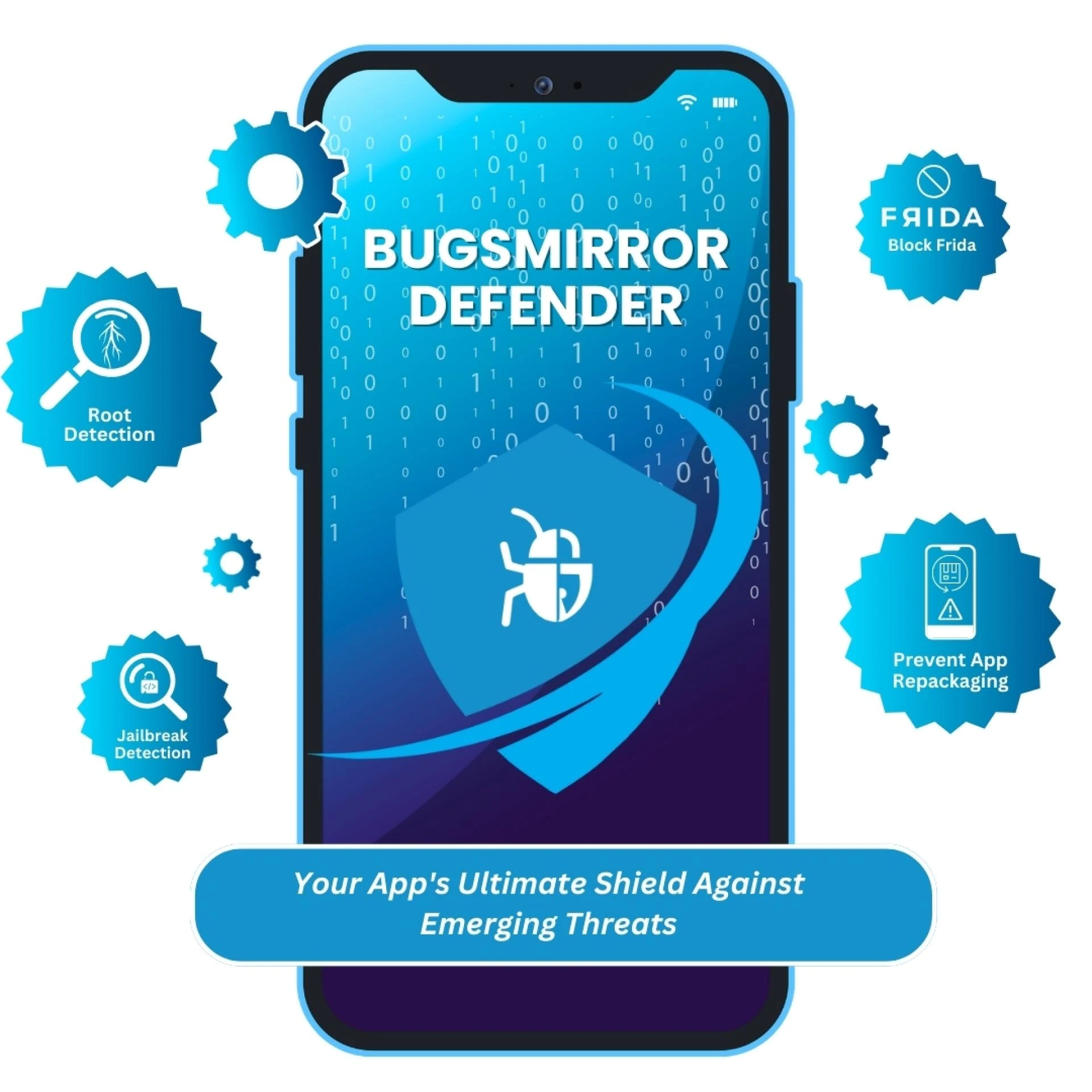
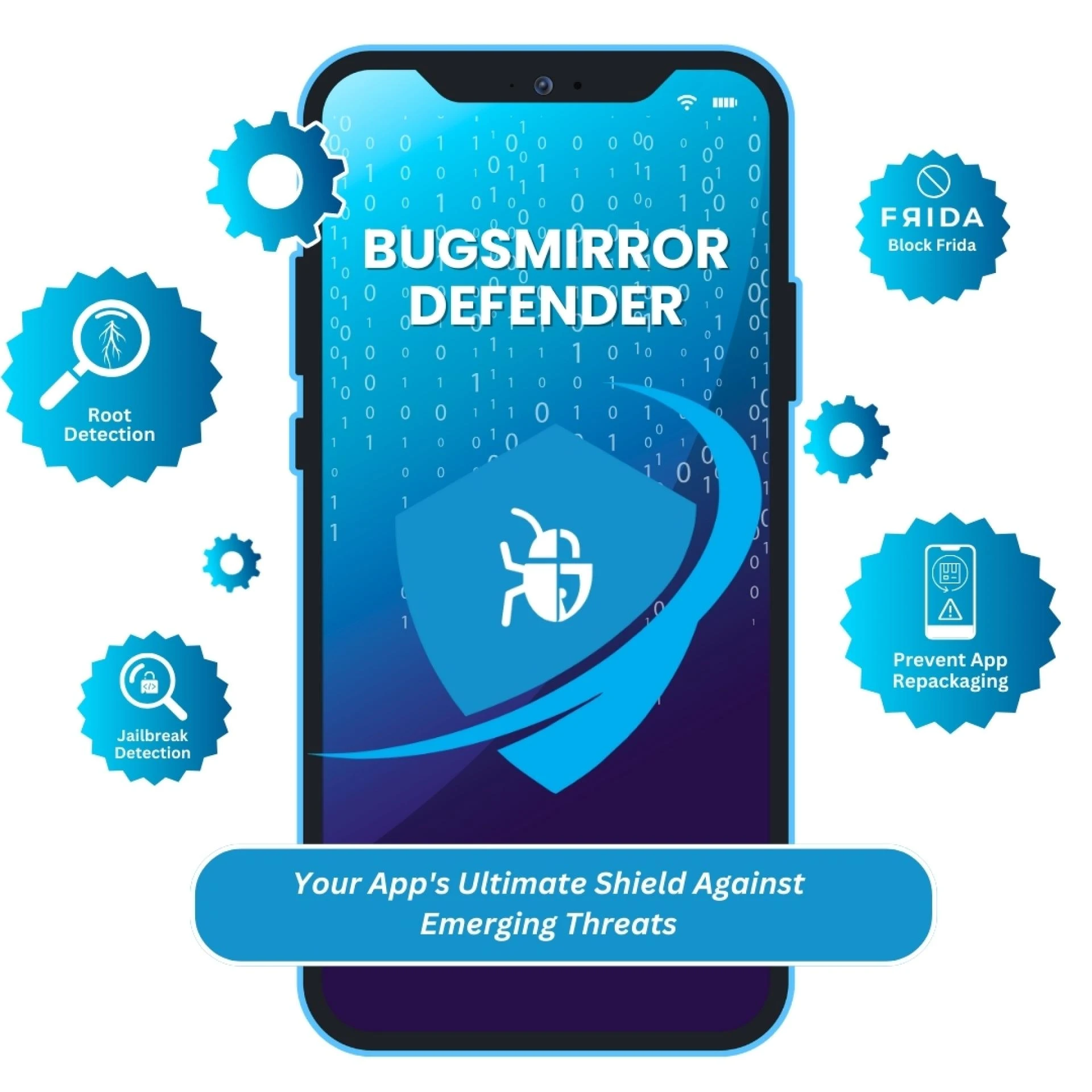
Runtime application protection means continuous protection during app runtime. Static testing alone is not enough; apps must be protected while they are running. Runtime protection helps in protection against tampering, reverse engineering, hooking, and debugging attempts on real devices.
Strong API security
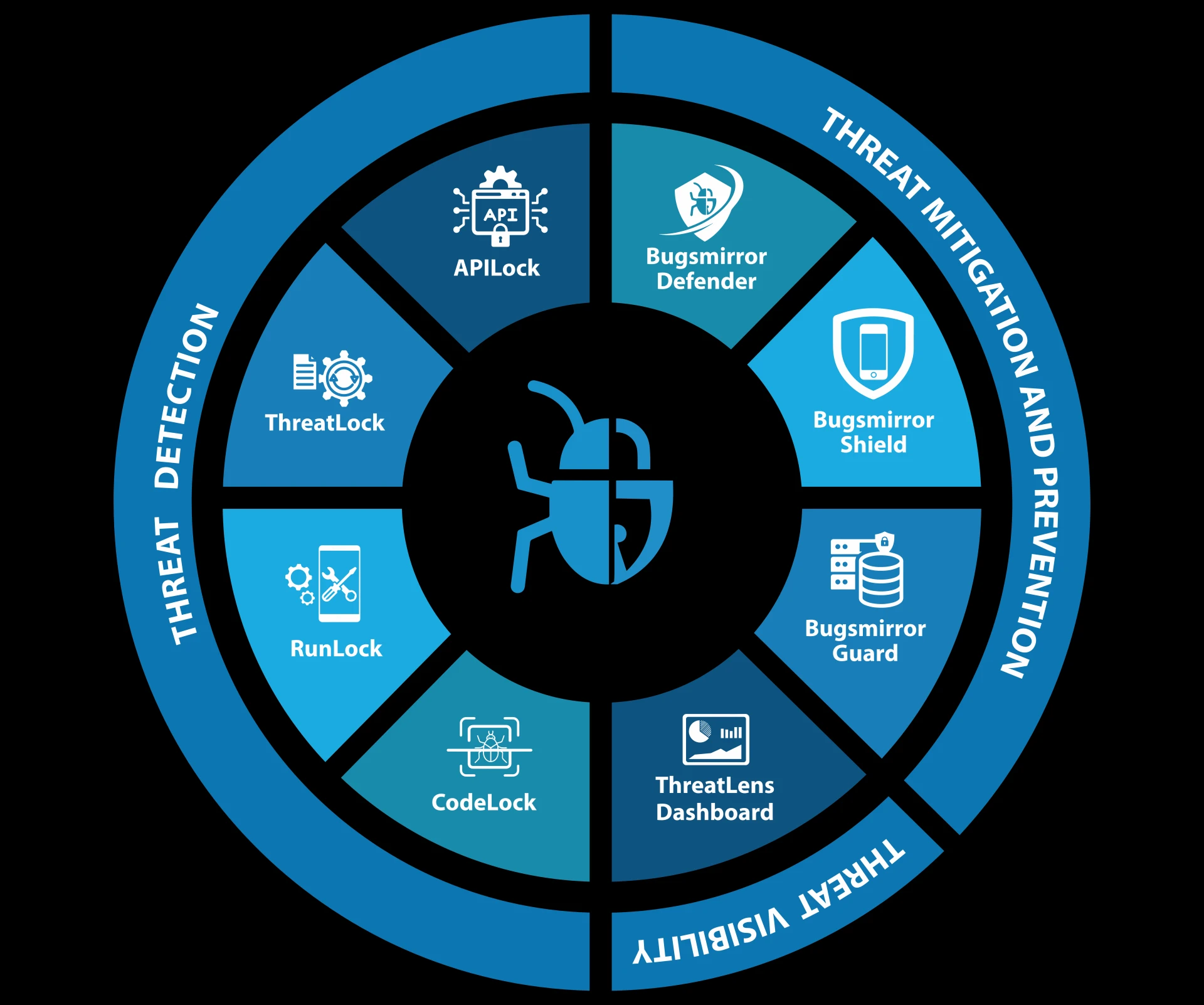
With a large volume of data moving back and forth, APIs are the primary communication channels and are highly exploitable. Securing them requires authentication enforcement, rate limiting, and continuous monitoring for abuse. Modern mobile app security best practices demand testing APIs against threats. APILock is an advanced API security testing tool that identifies undocumented endpoints, authentication flaws, improper data exposures, and misconfigurations.
Secure Authentication and session control
Multi-factor authentication, biometric verification, and secure session management are now baseline requirements. These controls reduce the risk of account takeover and unauthorised access, especially on compromised devices.
Real-time threat visibility
Banks need to know what is happening inside their apps. A real-time dashboard that shows active threats, attack patterns and risk levels helps security teams to respond faster and make informed decisions. Bugsmirror's ThreatLens provides real-time threat visibility with an over-the-air update facility to update app security configurations in real-time.
Continuous security testing
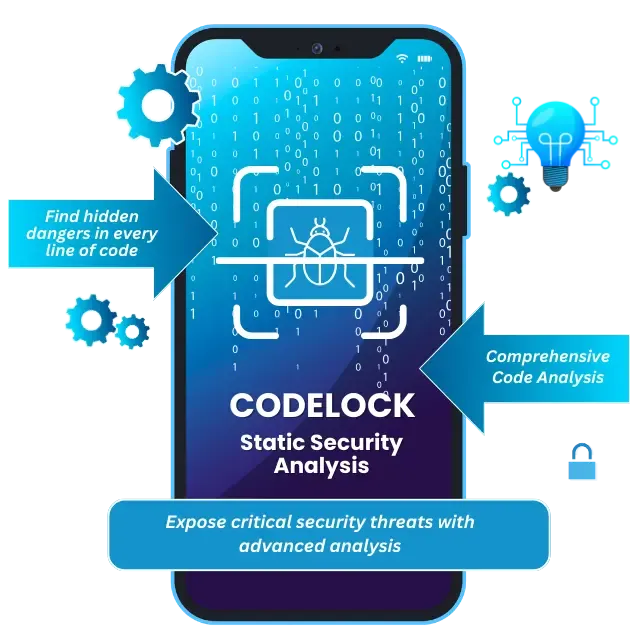
Mobile banking apps are updated frequently. Security testing must keep pace. Continuous testing includes testing across static analysis, continuous dynamic testing, and runtime validation across every release. This ensures continuous identification before and after deployment.
Aligning with application security best practices
The most effective security strategy combines prevention, detection, and response. Following application security best practices means integrating security into the development lifecycle while also protecting apps in production. This approach reduces security risks and strengthens overall resilience.
How Bugsmirror MASST supports secure mobile banking
Bugsmirror MASST is a comprehensive mobile application security solution built specifically for modern banking apps. It brings together static and dynamic testing, with API security and runtime protection, and real-time threat visibility to secure apps from build to live deployment.
It is designed for scale and automation. Bugsmirror is the best security bug finder that helps banks understand their true security.























Sign in to leave a comment.