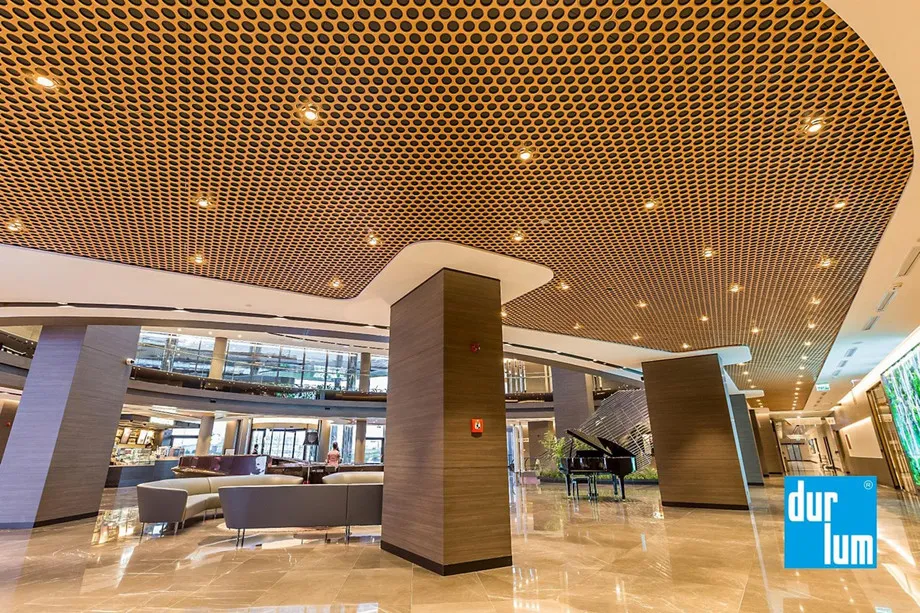
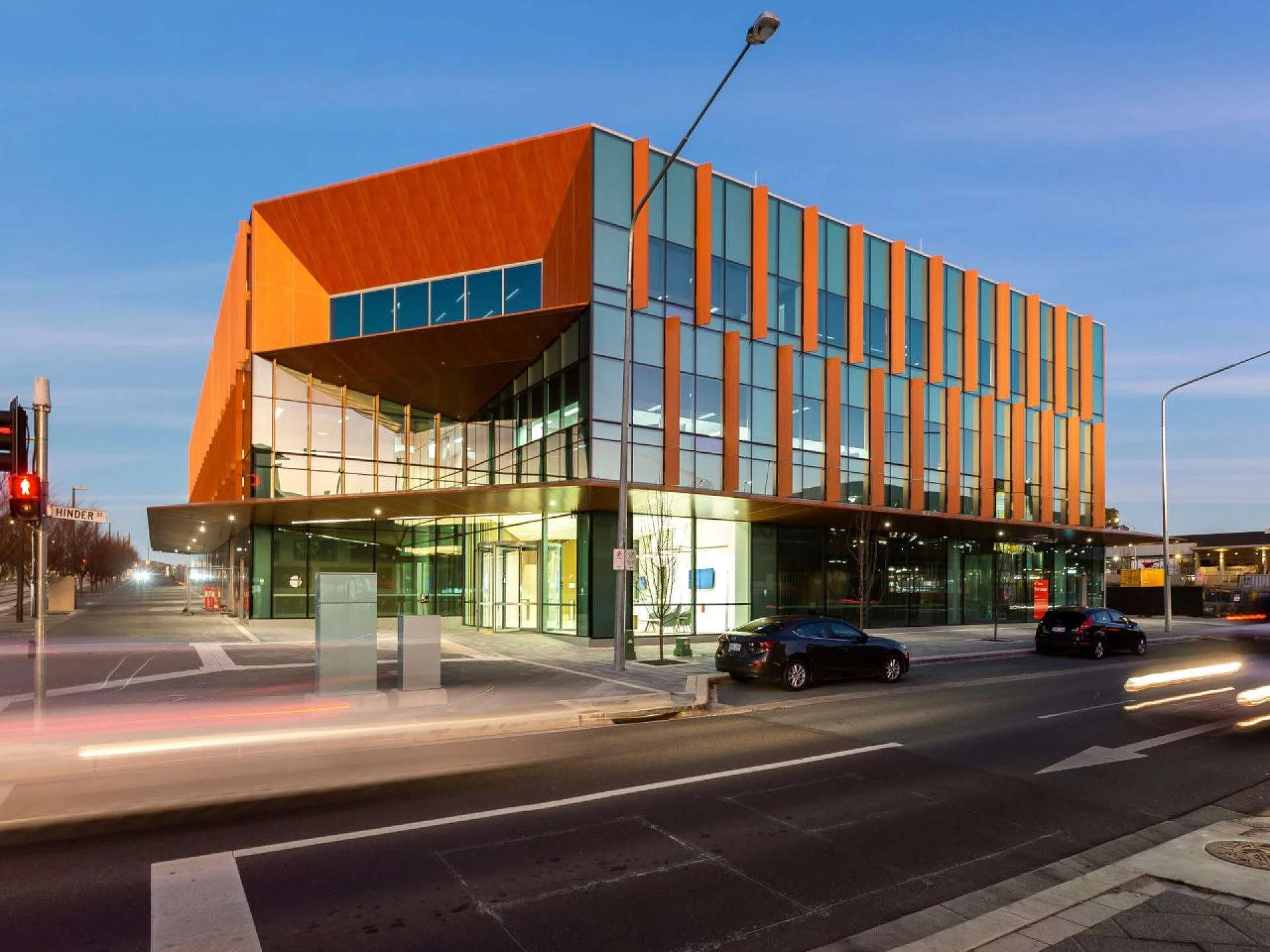
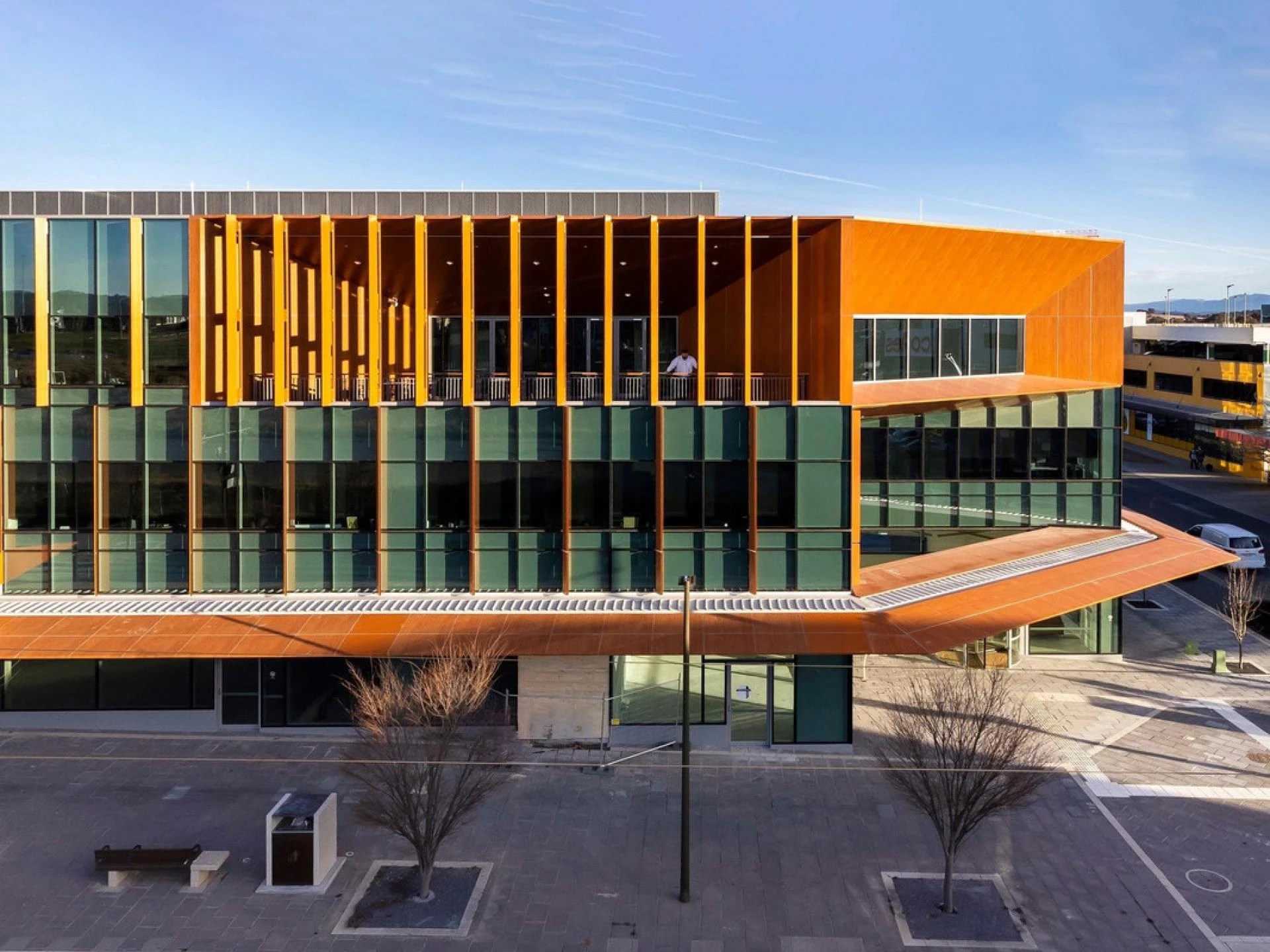
Modern architectural cladding has become a cornerstone of contemporary building design, offering both functional and aesthetic advantages. It enhances thermal insulation while giving structures a clean, sophisticated exterior. By acting as a protective outer layer, cladding shields buildings from environmental elements such as rain, wind, and heat. This dual purpose makes it a preferred solution in both residential and commercial construction. As design trends evolve, cladding continues to redefine how buildings perform and appear.
What Is Architectural Cladding?
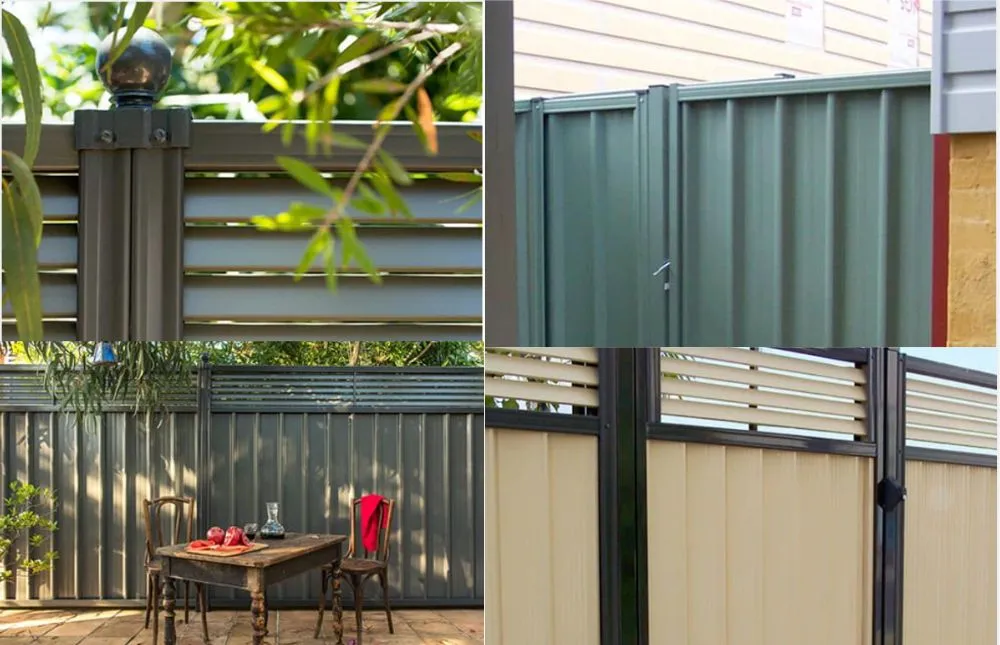
Architectural cladding refers to the application of one material over another to form a protective and decorative outer layer. It is not a structural component but plays a crucial role in safeguarding the building envelope. Common materials include metal panels, fibre cement, wood, stone, and composite systems. Each material offers unique benefits in terms of durability, maintenance, and visual appeal. Cladding systems are engineered to integrate seamlessly with insulation layers, improving overall building performance.
Enhancing Thermal Insulation
One of the primary benefits of modern cladding is improved insulation. When combined with proper insulation materials, cladding creates a barrier that reduces heat transfer between the interior and exterior. This helps maintain stable indoor temperatures, reducing the need for excessive heating or cooling. As a result, energy consumption decreases, leading to lower utility costs. In regions with extreme climates, this thermal efficiency becomes especially valuable for long-term comfort and sustainability.
Aesthetic Appeal and Design Flexibility
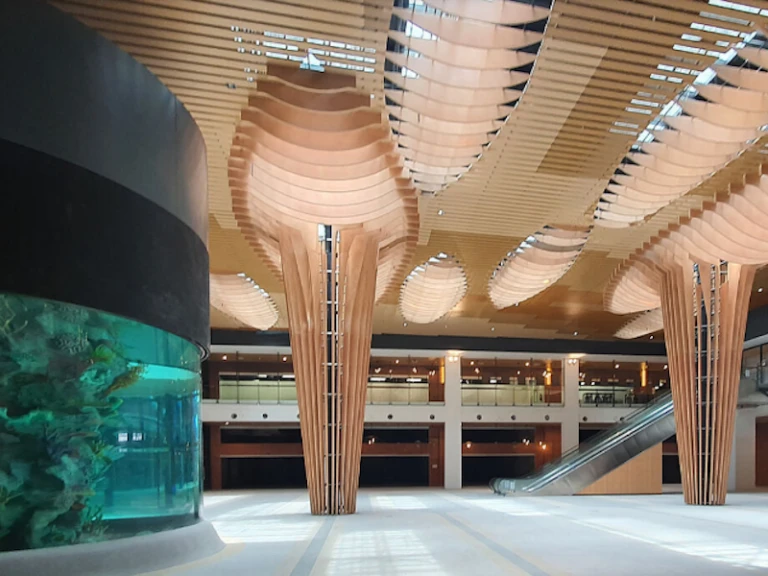
Cladding significantly influences the visual identity of a building. With a wide range of textures, colours, and finishes available, architects can achieve virtually any design vision. Sleek metal panels create a modern, industrial look, while wood or stone finishes offer a more natural and timeless appearance. This versatility allows designers to balance creativity with functionality.
Weather Protection and Durability
Beyond aesthetics, cladding provides essential protection against environmental factors. It acts as a shield against moisture, preventing water infiltration that can damage structural components. High-quality cladding materials are also resistant to UV radiation, corrosion, and temperature fluctuations. This durability extends the lifespan of the building and reduces maintenance requirements.
Sustainability and Long-Term Value
Modern cladding systems contribute to sustainable construction practices. Many materials are recyclable or sourced from environmentally responsible processes. Improved insulation reduces energy consumption, lowering the building’s carbon footprint. Additionally, durable cladding minimises the need for frequent repairs or replacements.
Bottom-Line
Modern architectural cladding offers a powerful combination of insulation, protection, and visual appeal. With the right materials and installation, it enhances both the performance and value of any building.

























Sign in to leave a comment.