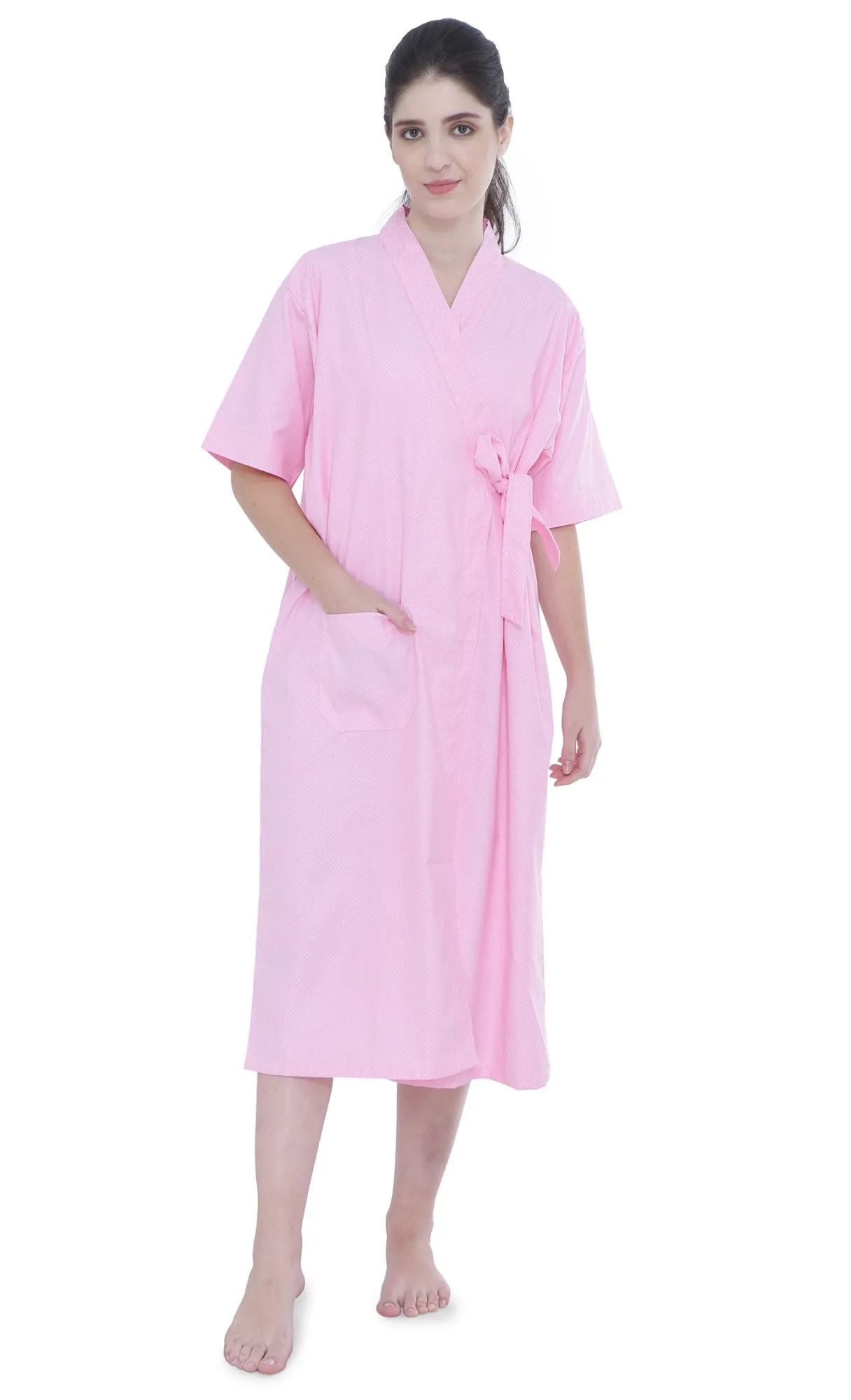

When people think about hospitals and clinics, they usually focus on doctors, nurses, medical equipment, and treatments. But there’s one important detail that often gets overlooked—the hospital gown.
For patients, a hospital gown is one of the first things they wear during treatment, check-ups, procedures, or recovery. And honestly, it can greatly affect how comfortable and confident they feel during their stay.
Traditional hospital gowns were mostly designed for practicality, but modern healthcare has changed a lot. Today, hospitals and clinics are paying more attention to patient comfort, dignity, hygiene, and overall experience. That’s exactly why modern hospital gown designs have evolved significantly over the years.
Today’s gowns are not just functional—they are more comfortable, better fitting, more hygienic, and much more patient-friendly.
Let’s explore how modern hospital gown designs are improving healthcare environments for both patients and medical professionals.
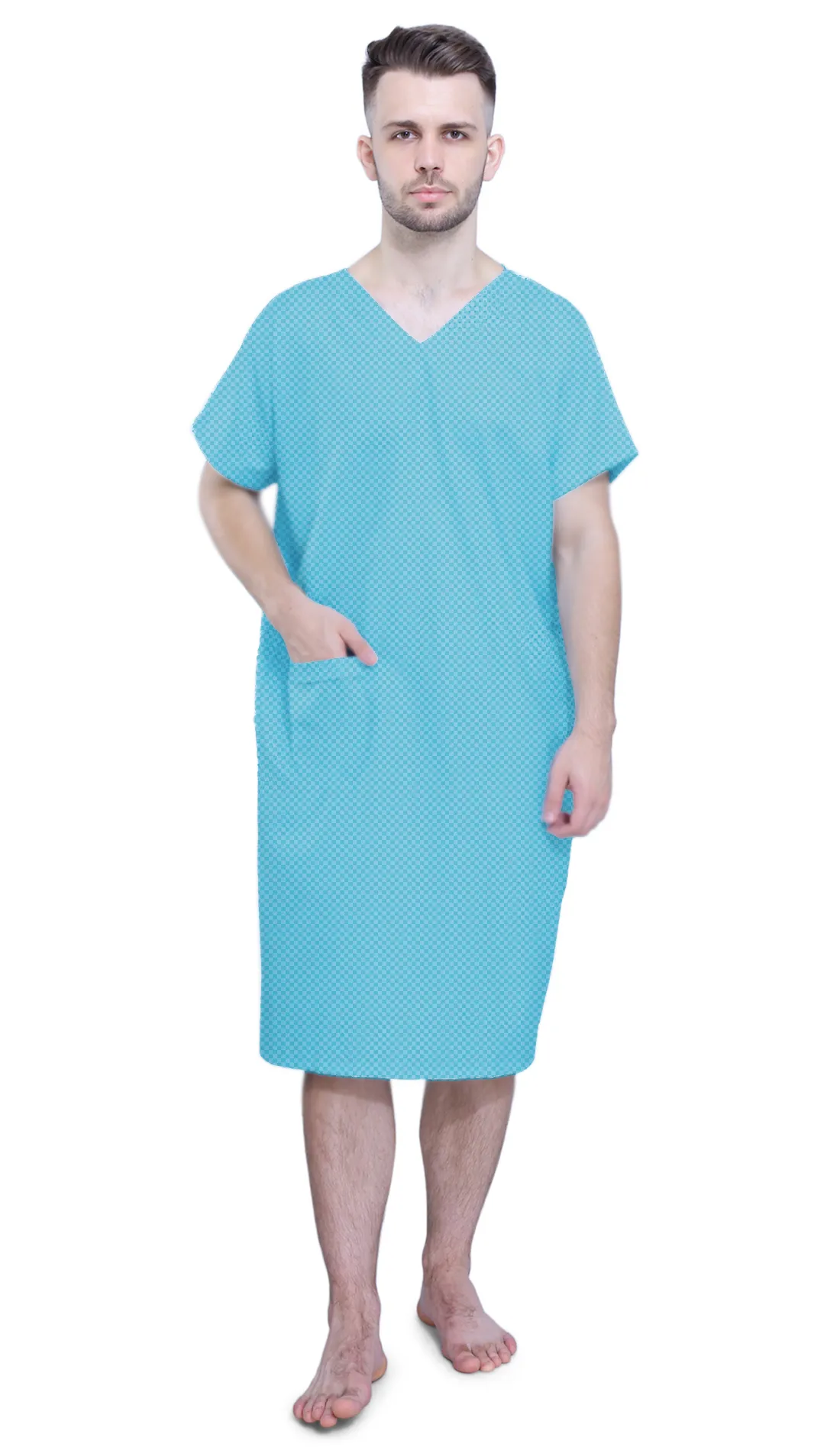
Why Hospital Gown Design Matters
At first glance, a hospital gown may seem simple, but it plays an important role in healthcare settings.
A well-designed gown helps with:
- Patient comfort
- Easy medical access
- Infection control
- Hygiene maintenance
- Patient dignity
- Better movement during recovery
Patients often spend long hours—or even days—in hospital gowns. So design matters much more than people realize.
The Problem with Traditional Hospital Gowns
Traditional hospital gowns were designed mainly for medical convenience.
While they served their purpose, patients often complained about:
- Poor fit
- Lack of coverage
- Uncomfortable fabric
- Limited mobility
- Feeling exposed or embarrassed
Healthcare providers eventually realized that improving patient clothing could positively impact the overall healthcare experience.
This led to the rise of modern hospital gown designs.
Features of Modern Hospital Gown Designs
Modern gowns are designed with a much better balance between:
- Patient comfort
- Medical functionality
- Hygiene
- Professional appearance
Let’s look at the key improvements.
1. Softer and More Comfortable Fabrics
One of the biggest improvements in modern hospital gown designs is fabric quality.
Today’s gowns often use:
- Soft cotton blends
- Breathable materials
- Lightweight fabrics
- Skin-friendly textiles
Patients already deal with stress and discomfort during treatment. Soft fabrics help make them feel more relaxed and comfortable.
Comfort plays a huge role in improving patient experience.
2. Better Coverage and Patient Dignity
Older hospital gowns were often criticized for poor coverage.
Modern hospital gown designs focus more on preserving patient dignity by offering:
- Better closures
- Improved back coverage
- Adjustable fits
- More secure designs
Patients feel more confident and less uncomfortable when gowns provide proper coverage.
This small improvement can make a huge emotional difference.
3. Improved Mobility and Flexibility
Patients need to move around during:
- Recovery
- Physiotherapy
- Medical examinations
- Walking routines
Modern hospital gown designs are created to support easier movement.
Features now include:
- Relaxed fit
- Flexible sleeves
- Lightweight structure
- Adjustable openings
This allows patients to move more naturally and comfortably.
4. Easier Access for Medical Procedures
While comfort matters, hospitals still need gowns that allow efficient medical care.
Modern gowns are designed with:
- Strategic openings
- Snap buttons
- Adjustable ties
- Easy-access panels
These features help healthcare professionals:
- Conduct examinations
- Monitor patients
- Perform procedures quickly and safely
A good hospital gown balances patient comfort with medical practicality.
5. Better Infection Control
Hygiene is critical in hospitals and clinics.
Modern hospital gown fabrics are designed to:
- Handle frequent washing
- Dry quickly
- Maintain cleanliness
- Resist wear after repeated use
Some gowns also use antimicrobial fabric technology to support infection-control efforts.
This improves safety for both patients and healthcare staff.
6. Disposable and Reusable Options
Modern healthcare facilities now use both reusable and disposable hospital gown options depending on their needs.
Disposable Gowns
- Single-use
- Convenient for high-risk environments
- Reduce contamination risks
Reusable Gowns
- Durable
- Eco-friendly
- Cost-effective long-term
Both options are widely used in hospitals today.
7. More Patient-Friendly Designs
Modern gowns are designed to reduce the “clinical” feeling many patients dislike.
Today’s hospital gown styles may include:
- Softer colors
- Better patterns
- Improved cuts
- More natural fit
This creates a more welcoming and less stressful healthcare environment.
8. Specialized Gown Designs for Different Needs
Hospitals now use different types of gowns for different departments.
Examples include:
- Surgical gowns
- Maternity gowns
- Pediatric gowns
- Recovery gowns
- ICU gowns
Each hospital gown type is designed according to the patient’s medical and comfort requirements.
9. Pediatric Hospital Gowns
Children often feel anxious in hospitals.
Modern pediatric hospital gown designs use:
- Friendly colors
- Cartoon patterns
- Softer materials
- Comfortable fits
These designs help reduce fear and make children feel more comfortable during treatment.
10. Maternity and Nursing Gowns
Modern maternity gowns are designed specifically for:
- Pregnancy care
- Delivery
- Nursing access
- Postpartum comfort
These gowns provide:
- Better support
- Privacy
- Convenience for mothers and healthcare staff
This shows how patient-centered gown design has become.
11. Lightweight and Breathable Construction
Patients can feel uncomfortable if gowns are too heavy or trap heat.
Modern hospital gown fabrics focus on:
- Breathability
- Lightweight comfort
- Temperature regulation
This is especially helpful for patients recovering for extended periods.
12. Durability for Frequent Hospital Use
Hospital gowns go through:
- Frequent washing
- Heavy use
- Daily wear in medical environments
Modern gowns are designed with:
- Strong stitching
- Durable fabric blends
- Better color retention
This improves long-term usability and cost efficiency for hospitals.
13. Focus on Sustainability
Many hospitals are now moving toward eco-friendly healthcare apparel.
Modern reusable hospital gown designs help reduce:
- Textile waste
- Single-use disposal
- Environmental impact
Sustainability is becoming an important part of healthcare uniform design.
Why Modern Hospital Gowns Improve Patient Experience
When patients feel comfortable, respected, and less stressed, their overall healthcare experience improves.
A thoughtfully designed hospital gown helps patients feel:
- More secure
- Less exposed
- More comfortable
- More confident during recovery
Sometimes even small improvements in clothing can positively impact emotional well-being.
Final Thoughts
Modern hospital gown designs have transformed patient care in hospitals and clinics. What was once considered simple medical clothing has now become an important part of patient comfort, hygiene, dignity, and healthcare experience.
Today’s gowns are softer, safer, more flexible, and more patient-friendly than ever before. They help healthcare professionals perform efficiently while making patients feel more comfortable and respected during treatment.
As healthcare continues to evolve, patient-centered design will remain an important focus—and modern hospital gowns are a perfect example of that progress.





























Sign in to leave a comment.